

L’articolo è stato aggiunto alla lista dei desideri









LIBRO INGLESE
 E-mail
 Facebook
 LinkedIn
 Twitter
 WhatsApp
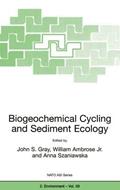
Biogeochemical Cycling and Sediment Ecology
(0)
Cliccando su “Conferma” dichiari che il contenuto da te inserito è conforme alle Condizioni Generali d’Uso del Sito ed alle Linee Guida sui Contenuti Vietati. Puoi rileggere e modificare e successivamente confermare il tuo contenuto. Tra poche ore lo troverai online (in caso contrario verifica la conformità del contenuto alle policy del Sito).
Grazie per la tua recensione!
Tra poche ore la vedrai online (in caso contrario verifica la conformità del testo alle nostre linee guida). Dopo la pubblicazione per te +4 punti 
207,20 €
+2070
punti 
Venditore: IBS
Articolo acquistabile con Carta del Docente

Articolo acquistabile con Carta Cultura Giovani e Carta del Merito

Articolo acquistabile con Carta della Cultura

Paga con Klarna in 3 rate senza interessi per ordini superiori a 39 €

Dati e Statistiche
 Salvato in 0 liste dei desideri
Salvato in 0 liste dei desideri
Biogeochemical Cycling and Sediment Ecology
Disponibilità in 2 settimane
207,20 €
207,20 €
Disponibilità in 2 settimane
Altre offerte vendute e spedite dai nostri venditori
Libri in Inglese
Biogeochemical Cycling and Sediment Ecology
Altri venditori
Prezzo e spese di spedizione

LIBRO INGLESE
Disponibilità in 2 settimane

Venduto e spedito da
IBS
Spedizione Gratis
207,20 €
Altri venditori
Prezzo e spese di spedizione
LIBRO INGLESE
Disponibilità in 2 settimane
Venduto e spedito da
IBS
Spedizione Gratis
207,20 €
Altri venditori
Prezzo e spese di spedizione

Tutti i formati ed edizioni

Promo attive (0)
Oceanographic discontinuities (e. g. frontal systems, upwelling areas, ice edges) are often areas of enhanced biological productivity. Considerable research on the physics and biology of the physical boundaries defining these discontinues has been accomplished (see [I D. The interface between water and sediment is the largest physical boundary in the ocean, but has not received a proportionate degree of attention. The purpose of the Nato Advanced Research Workshop (ARW) was to focus on soft-sediment systems by identifying deficiencies in our knowledge of these systems and defining key issues in the management of coastal sedimentary habitats. Marine sediments play important roles in the marine ecosystem and the biosphere. They provide food and habitat for many marine organisms, some of which are commercially important. More importantly from a global perspective, marine sediments also provide "ecosystem goods and services" [2J. Organic matter from primary production in the water column and contaminants scavenged by particles accumulate in sediments where their fate is determined by sediment processes such as bioturbation and biogeochemical cycling. Nutrients are regenerated and contaminants degraded in sediments. Under some conditions, carbon accumulates in coastal and shelf sediments and may by removed from the carbon cycle for millions of years, having a potentially significant impact on global climate change. Sediments also protect coasts. The economic value of services provided by coastal areas has recently been estimated to be on the order of $12,568 9 10 y" [3J, far in excess of the global GNP.
Leggi di più
Leggi di meno
Curatore:
Editore:
Collana:
NATO Science Partnership Subseries: 2
Anno:
1999
Rilegatura:
Hardback
Pagine:
236 p.
Testo in English
Dimensioni:
244 x 170 mm
EAN:
9780792357704

L'articolo è stato aggiunto al carrello
Informazioni e Contatti sulla Sicurezza dei Prodotti
Le schede prodotto sono aggiornate in conformità al Regolamento UE 988/2023. Laddove ci fossero taluni dati non disponibili per ragioni indipendenti da IBS, vi informiamo che stiamo compiendo ogni ragionevole sforzo per inserirli. Vi invitiamo a controllare periodicamente il sito www.ibs.it per eventuali novità e aggiornamenti.
Per le vendite di prodotti da terze parti, ciascun venditore si assume la piena e diretta responsabilità per la commercializzazione del prodotto e per la sua conformità al Regolamento UE 988/2023, nonché alle normative nazionali ed europee vigenti.
Per informazioni sulla sicurezza dei prodotti, contattare productsafetyibs@feltrinelli.it
L’articolo è stato aggiunto alla lista dei desideri
