

L’articolo è stato aggiunto alla lista dei desideri









LIBRO INGLESE
 E-mail
 Facebook
 LinkedIn
 Twitter
 WhatsApp
Cathedrals of Science: The Personalities and Rivalries That Made Modern Chemistry
(0)
Cliccando su “Conferma” dichiari che il contenuto da te inserito è conforme alle Condizioni Generali d’Uso del Sito ed alle Linee Guida sui Contenuti Vietati. Puoi rileggere e modificare e successivamente confermare il tuo contenuto. Tra poche ore lo troverai online (in caso contrario verifica la conformità del contenuto alle policy del Sito).
Grazie per la tua recensione!
Tra poche ore la vedrai online (in caso contrario verifica la conformità del testo alle nostre linee guida). Dopo la pubblicazione per te +4 punti 
70,10 €
+700
punti 
Venditore: IBS
Articolo acquistabile con Carta del Docente

Articolo acquistabile con Carta Cultura Giovani e Carta del Merito

Articolo acquistabile con Carta della Cultura

Paga con Klarna in 3 rate senza interessi per ordini superiori a 39 €

Dati e Statistiche
 Salvato in 1 lista dei desideri
Salvato in 1 lista dei desideri
Cathedrals of Science: The Personalities and Rivalries That Made Modern Chemistry
Disponibilità in 2 settimane
70,10 €
70,10 €
Disponibilità in 2 settimane
Altre offerte vendute e spedite dai nostri venditori

Libri in Inglese
Cathedrals of Science: The Personalities and Rivalries That Made Modern Chemistry
Altri venditori
Prezzo e spese di spedizione
LIBRO INGLESE
Disponibilità in 2 settimane

Venduto e spedito da
IBS
Spedizione Gratis
70,10 €
Altri venditori
Prezzo e spese di spedizione
LIBRO INGLESE
Disponibilità in 2 settimane
Venduto e spedito da
IBS
Spedizione Gratis
70,10 €
Altri venditori
Prezzo e spese di spedizione

Tutti i formati ed edizioni
Promo attive (0)
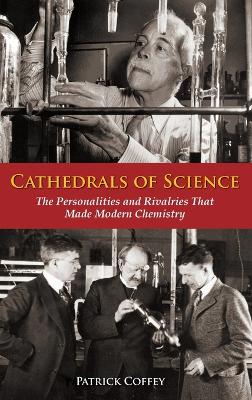
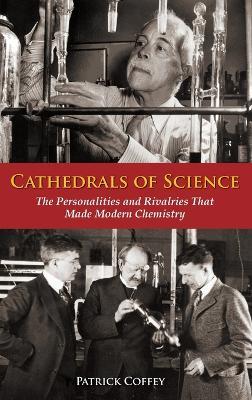
In Cathedrals of Science, Patrick Coffey describes how chemistry got its modern footing-how thirteen brilliant men and one woman struggled with the laws of the universe and with each other. They wanted to discover how the world worked, but they also wanted credit for making those discoveries, and their personalities often affected how that credit was assigned. Gilbert Lewis, for example, could be reclusive and resentful, and his enmity with Walther Nernst may have cost him the Nobel Prize; Irving Langmuir, gregarious and charming, "rediscovered" Lewis's theory of the chemical bond and received much of the credit for it. Langmuir's personality smoothed his path to the Nobel Prize over Lewis. Coffey deals with moral and societal issues as well. These same scientists were the first to be seen by their countries as military assets. Fritz Haber, dubbed the "father of chemical warfare," pioneered the use of poison gas in World War I-vividly described-and Glenn Seaborg and Harold Urey were leaders in World War II's Manhattan Project; Urey and Linus Pauling worked for nuclear disarmament after the war. Science was not always fair, and many were excluded. The Nazis pushed Jewish scientists like Haber from their posts in the 1930s. Anti-Semitism was also a force in American chemistry, and few women were allowed in; Pauling, for example, used his influence to cut off the funding and block the publications of his rival, Dorothy Wrinch. Cathedrals of Science paints a colorful portrait of the building of modern chemistry from the late 19th to the mid-20th century.
Leggi di più
Leggi di meno
Autore:
Editore:
Anno:
2008
Rilegatura:
Hardback
Pagine:
400 p.
Testo in English
Dimensioni:
236 x 163 mm
Peso:
680 gr.
EAN:
9780195321340

L'articolo è stato aggiunto al carrello
Informazioni e Contatti sulla Sicurezza dei Prodotti
Le schede prodotto sono aggiornate in conformità al Regolamento UE 988/2023. Laddove ci fossero taluni dati non disponibili per ragioni indipendenti da IBS, vi informiamo che stiamo compiendo ogni ragionevole sforzo per inserirli. Vi invitiamo a controllare periodicamente il sito www.ibs.it per eventuali novità e aggiornamenti.
Per le vendite di prodotti da terze parti, ciascun venditore si assume la piena e diretta responsabilità per la commercializzazione del prodotto e per la sua conformità al Regolamento UE 988/2023, nonché alle normative nazionali ed europee vigenti.
Per informazioni sulla sicurezza dei prodotti, contattare productsafetyibs@feltrinelli.it
L’articolo è stato aggiunto alla lista dei desideri
