

L’articolo è stato aggiunto alla lista dei desideri








LIBRO INGLESE
 E-mail
 Facebook
 LinkedIn
 Twitter
 WhatsApp
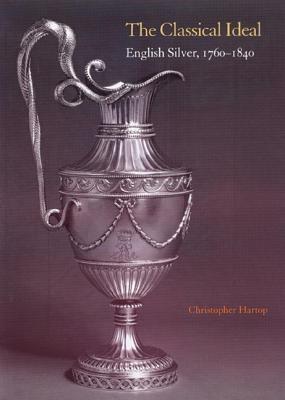
The Classical Ideal: English Silver, 1760-1840
(0)
Cliccando su “Conferma” dichiari che il contenuto da te inserito è conforme alle Condizioni Generali d’Uso del Sito ed alle Linee Guida sui Contenuti Vietati. Puoi rileggere e modificare e successivamente confermare il tuo contenuto. Tra poche ore lo troverai online (in caso contrario verifica la conformità del contenuto alle policy del Sito).
Grazie per la tua recensione!
Tra poche ore la vedrai online (in caso contrario verifica la conformità del testo alle nostre linee guida). Dopo la pubblicazione per te +4 punti 
23,75 €

-5%
25,00 €
+240
punti
Venditore: IBS
Articolo acquistabile con Carta del Docente

Articolo acquistabile con Carta Cultura Giovani e Carta del Merito

Articolo acquistabile con Carta della Cultura

Dati e Statistiche
 Salvato in 0 liste dei desideri
Salvato in 0 liste dei desideri
The Classical Ideal: English Silver, 1760-1840
Disponibile in 5 gg lavorativi
23,75 €
-5%
25,00 €
23,75 €
25,00 €
-5%
Disponibile in 5 gg lavorativi
Altre offerte vendute e spedite dai nostri venditori
Libri in Inglese
The Classical Ideal: English Silver, 1760-1840
Altri venditori
Prezzo e spese di spedizione
LIBRO INGLESE
Disponibile in 5 gg lavorativi

Venduto e spedito da
IBS
Spedizione Gratis
-5%
25,00 €
23,75 €
Altri venditori
Prezzo e spese di spedizione
LIBRO INGLESE
Disponibile in 5 gg lavorativi
Venduto e spedito da
IBS
Spedizione Gratis
-5%
25,00 €
23,75 €
Altri venditori
Prezzo e spese di spedizione

Tutti i formati ed edizioni
Promo attive (0)
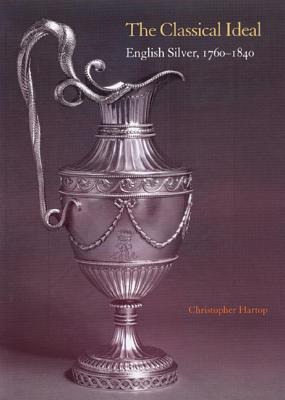
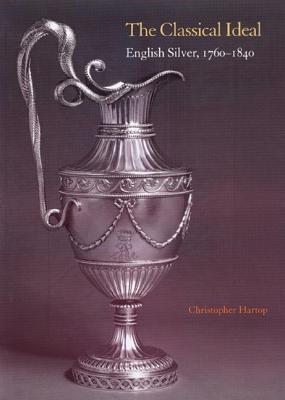
The second half of the eighteenth century saw an enthusiastic revival of the use of shapes and decoration from Greek and Roman architecture in the design of furniture, ceramics and silver. A reaction against the curving outlines and elaborate floral decoration of the rococo, neo-classicism was promoted as a return to the ideal proportions and balance of the ancient world. Ironically, however, it was also an evocation of lost civilizations and sowed the seeds of the romanticism of the succeeding century. The chief proponents of this new style were members of the emerging profession of architecture such as Sir William Chambers (1723-1796), architect to King George III, James Wyatt (1746-1813), James "Athenian" Stuart (1713-1788) and especially Robert Adam (1728-1792). All of them designed silver as well, and their contribution to the elegant forms and simple decoration of domestic silver of the period is assessed in this book, the first to be devoted to English neo-classical silver for over forty years. The part played by industrialization in the development of the style is also examined, as is the increasingly important role of opulent retailers such as Wakelin & Tayler, Thomas Heming, Joseph Creswell, Jeffries & Jones, and Rundell, Bridge & Rundell. At the beginning of the nineteenth century, Rundell's, with their own design studios and workshops staffed by such well-known names as Digby Scott (c. 1750-1816), Benjamin Smith (1764-after 1818) and Paul Storr (1771-1844), were at the forefront of the adoption of a new imperial style based no longer on classical architecture but on classical sculpture. This book will be a welcome addition to the bookshelf of the silver collector. It will also appeal to anyone interested in the history of design of the period.
Leggi di più
Leggi di meno
Autore:
Editore:
Anno:
2010
Rilegatura:
Paperback / softback
Pagine:
80 p.
Testo in English
Dimensioni:
303 x 225 mm
Peso:
985 gr.
EAN:
9780952432296

L'articolo è stato aggiunto al carrello
Informazioni e Contatti sulla Sicurezza dei Prodotti
Le schede prodotto sono aggiornate in conformità al Regolamento UE 988/2023. Laddove ci fossero taluni dati non disponibili per ragioni indipendenti da IBS, vi informiamo che stiamo compiendo ogni ragionevole sforzo per inserirli. Vi invitiamo a controllare periodicamente il sito www.ibs.it per eventuali novità e aggiornamenti.
Per le vendite di prodotti da terze parti, ciascun venditore si assume la piena e diretta responsabilità per la commercializzazione del prodotto e per la sua conformità al Regolamento UE 988/2023, nonché alle normative nazionali ed europee vigenti.
Per informazioni sulla sicurezza dei prodotti, contattare productsafetyibs@feltrinelli.it
L’articolo è stato aggiunto alla lista dei desideri
