

L’articolo è stato aggiunto alla lista dei desideri









EBOOK IN LINGUA STRANIERA
 E-mail
 Facebook
 LinkedIn
 Twitter
 WhatsApp
Divine Powers in Late Antiquity
(0)
Cliccando su “Conferma” dichiari che il contenuto da te inserito è conforme alle Condizioni Generali d’Uso del Sito ed alle Linee Guida sui Contenuti Vietati. Puoi rileggere e modificare e successivamente confermare il tuo contenuto. Tra poche ore lo troverai online (in caso contrario verifica la conformità del contenuto alle policy del Sito).
Grazie per la tua recensione!
Tra poche ore la vedrai online (in caso contrario verifica la conformità del testo alle nostre linee guida). Dopo la pubblicazione per te +4 punti 
90,05 €
+900
punti 
Venditore: IBS

Acquista online
Scaricabile subito
Articolo acquistabile con Carta del Docente

Articolo acquistabile con Carta Cultura Giovani e Carta del Merito

Articolo acquistabile con Carta della Cultura

Dati e Statistiche
 Salvato in 0 liste dei desideri
Salvato in 0 liste dei desideri
Divine Powers in Late Antiquity
Scaricabile subito
90,05 €
90,05 €
Scaricabile subito
Altre offerte vendute e spedite dai nostri venditori
Ebook in lingua straniera
Divine Powers in Late Antiquity
Altri venditori
Prezzo e spese di spedizione
EBOOK INGLESE
EPUB3 con Adobe DRM
Scaricabile subito

Venduto e spedito da
IBS
Spedizione Gratis
90,05 €
Altri venditori
Prezzo e spese di spedizione
EBOOK INGLESE
EPUB3 con Adobe DRM
Scaricabile subito
Venduto e spedito da
IBS
Spedizione Gratis
90,05 €
Altri venditori
Prezzo e spese di spedizione

Tutti i formati ed edizioni

Promo attive (0)
Divine Powers in Late Antiquity
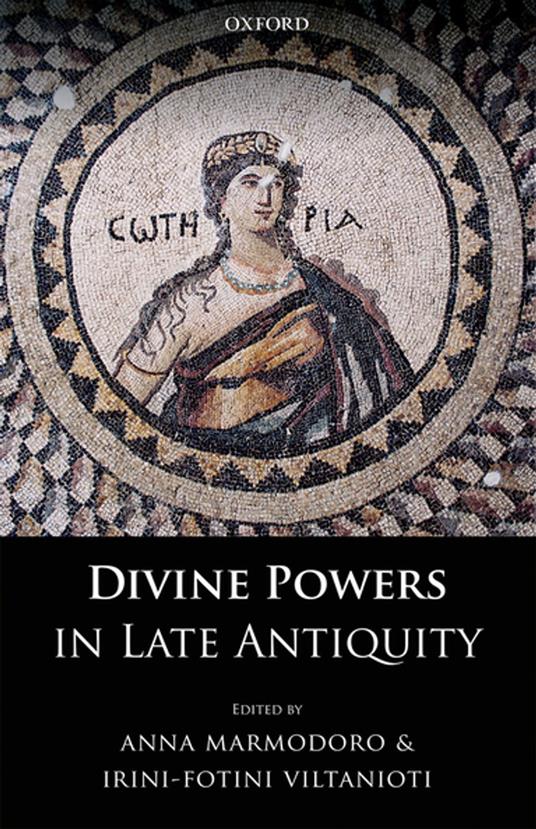
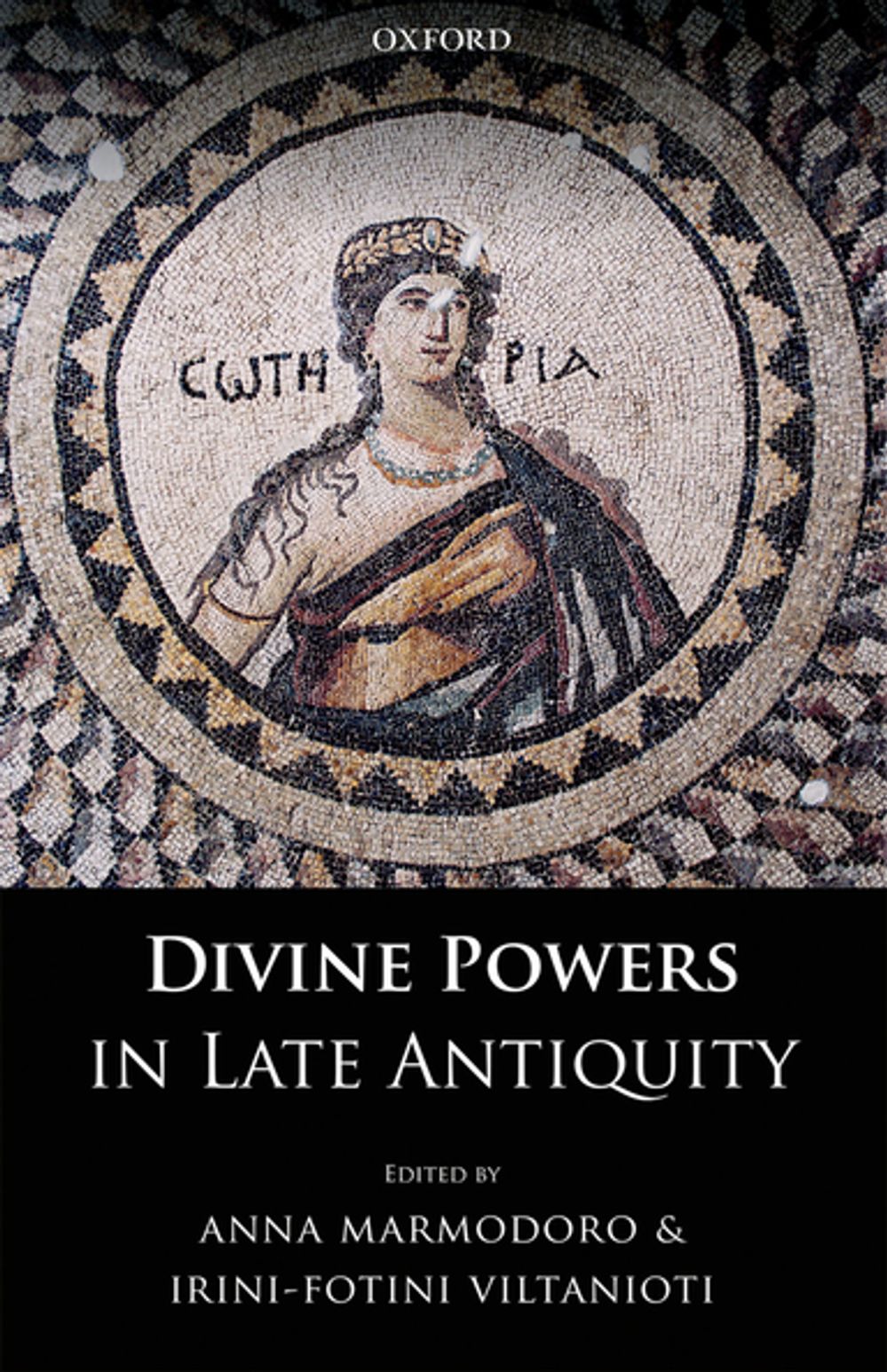
Is power the essence of divinity, or are divine powers distinct from divine essence? Are they divine hypostases or are they divine attributes? Are powers such as omnipotence, omniscience, etc. modes of divine activity? How do they manifest? In which way can we apprehend them? Is there a multiplicity of gods whose powers fill the cosmos or is there only one God from whom all power(s) derive(s) and whose power(s) permeate(s) everything? These are questions that become central to philosophical and theological debates in Late Antiquity (roughly corresponding to the period 2nd to the 6th centuries). On the one hand, the Pagan Neoplatonic thinkers of this era postulate a complex hierarchy of gods, whose powers express the unlimited power of the ineffable One. On the other hand, Christians proclaim the existence of only one God, one divine power or one 'Lord of all powers'. Divided into two main sections, the first part of Divine Powers in Late Antiquity examines aspects of the notion of divine power as developed by the four major figures of Neoplatonism: Plotinus (c. 204-270), Porphyry (c. 234-305), Iamblichus (c.245-325), and Proclus (412-485). It focuses on an aspect of the notion of divine power that has been so far relatively neglected in the literature. Part two investigates the notion of divine power in early Christian authors, from the New Testament to the Alexandrian school (Clement of Alexandria, Origen, Athanasius the Great) and, further, to the Cappadocian Fathers (Basil the Great, Gregory of Nyssa), as well as in some of these authors' sources (the Septuagint, Philo of Alexandria). The traditional view tends to overlook the fact that the Bible, particularly the New Testament, was at least as important as Platonic philosophical texts in the shaping of the early Christian thinking about the Church's doctrines. Whilst challenging the received interpretation by redressing the balance between the Bible and Greek philosophical texts, the essays in the second section of this book nevertheless argue for the philosophical value of early Christian reflections on the notion of divine power. The two groups of thinkers that each of the sections deal with (the Platonic-Pagan and the Christian one) share largely the same intellectual and cultural heritage; they are concerned with the same fundamental questions; and they often engage in more or less public philosophical and theological dialogue, directly influencing one another.
Leggi di più
Leggi di meno
Curatore:
Anno edizione:
2017
Editore:
Formato:
Lingua:
Inglese
Compatibilità:
Tutti i dispositivi (eccetto Kindle) Scopri di più
Layout:
Reflowable
EAN:
9780191079962
L'articolo è stato aggiunto al carrello
Formato:
Gli eBook venduti da IBS.it sono in formato ePub e possono essere protetti da Adobe DRM. In caso di download di un file protetto da DRM si otterrà un file in formato .acs, (Adobe Content Server Message), che dovrà essere aperto tramite Adobe Digital Editions e autorizzato tramite un account Adobe, prima di poter essere letto su pc o trasferito su dispositivi compatibili.
Cloud:
Gli eBook venduti da IBS.it sono sincronizzati automaticamente su tutti i client di lettura Kobo successivamente all’acquisto. Grazie al Cloud Kobo i progressi di lettura, le note, le evidenziazioni vengono salvati e sincronizzati automaticamente su tutti i dispositivi e le APP di lettura Kobo utilizzati per la lettura.
Clicca qui per sapere come scaricare gli ebook utilizzando un pc con sistema operativo Windows
L’articolo è stato aggiunto alla lista dei desideri
