

L’articolo è stato aggiunto alla lista dei desideri








EBOOK IN LINGUA STRANIERA
 E-mail
 Facebook
 LinkedIn
 Twitter
 WhatsApp
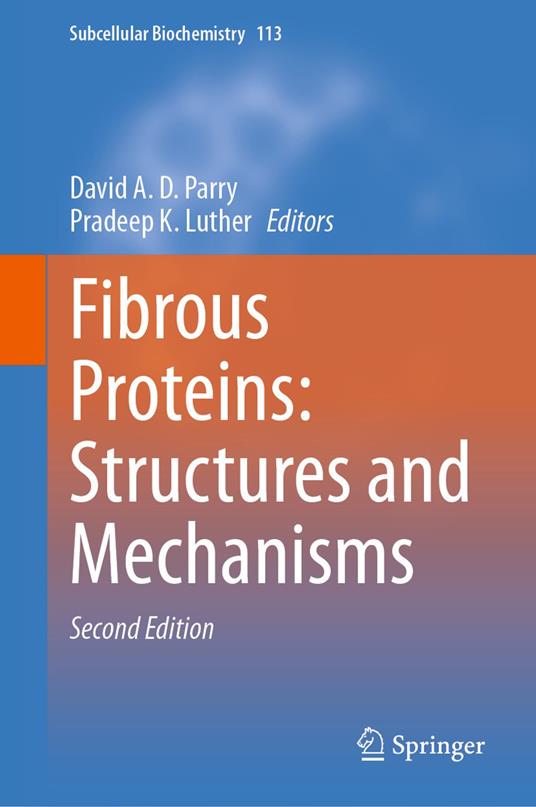
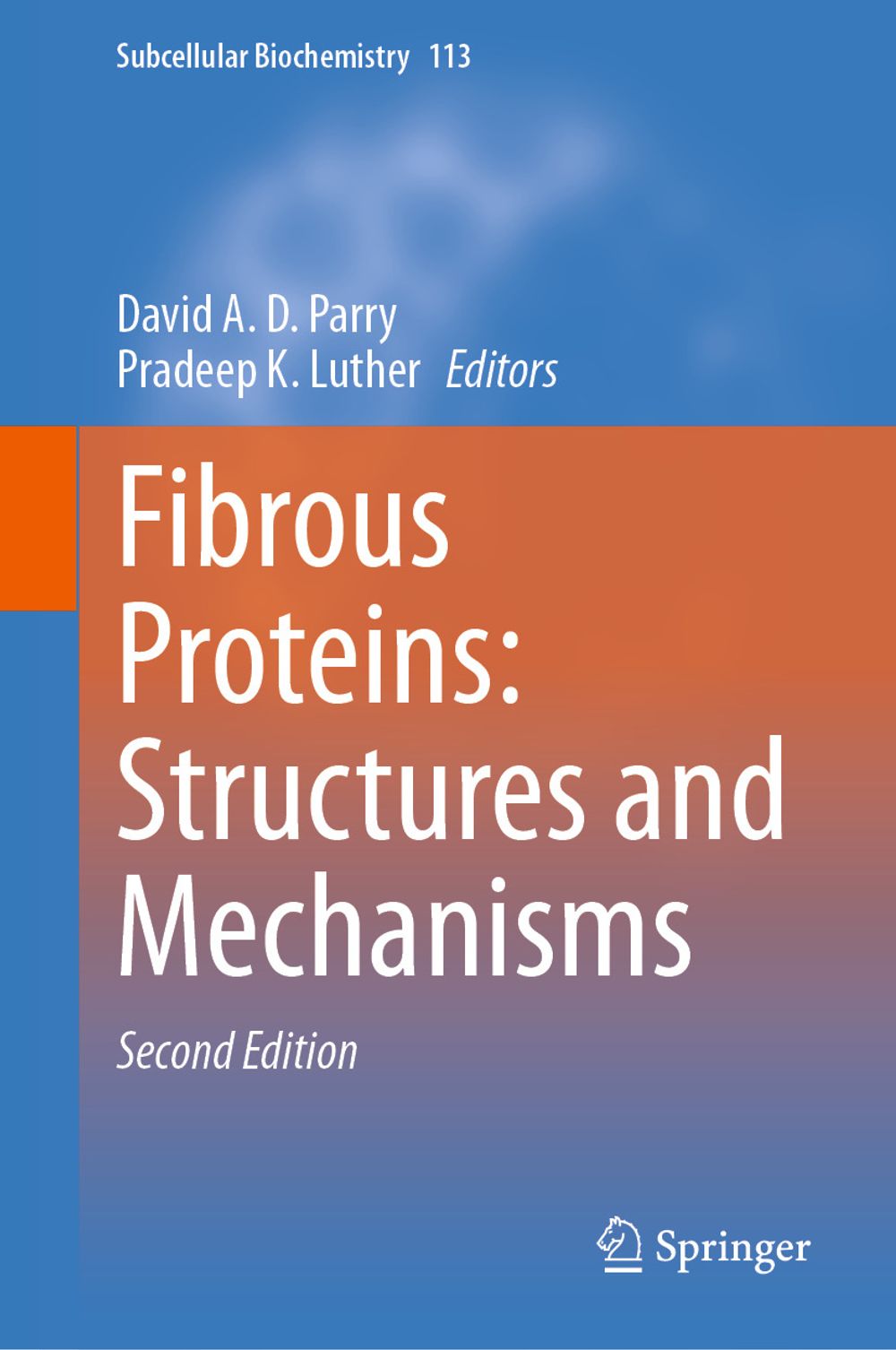
Fibrous Proteins: Structures and Mechanisms
(0)
Cliccando su “Conferma” dichiari che il contenuto da te inserito è conforme alle Condizioni Generali d’Uso del Sito ed alle Linee Guida sui Contenuti Vietati. Puoi rileggere e modificare e successivamente confermare il tuo contenuto. Tra poche ore lo troverai online (in caso contrario verifica la conformità del contenuto alle policy del Sito).
Grazie per la tua recensione!
Tra poche ore la vedrai online (in caso contrario verifica la conformità del testo alle nostre linee guida). Dopo la pubblicazione per te +4 punti 
204,97 €
+2050
punti 
Venditore: IBS

Acquista online
Scaricabile subito
Articolo acquistabile con Carta del Docente

Articolo acquistabile con Carta Cultura Giovani e Carta del Merito

Articolo acquistabile con Carta della Cultura

Dati e Statistiche
 Salvato in 0 liste dei desideri
Salvato in 0 liste dei desideri
Fibrous Proteins: Structures and Mechanisms
Scaricabile subito
204,97 €
204,97 €
Scaricabile subito
Altre offerte vendute e spedite dai nostri venditori
Ebook in lingua straniera
Fibrous Proteins: Structures and Mechanisms
Altri venditori
Prezzo e spese di spedizione
Nuovo
Scaricabile subito

Venduto e spedito da
IBS
Spedizione Gratis
204,97 €
Altri venditori
Prezzo e spese di spedizione
Nuovo
Scaricabile subito
Venduto e spedito da
IBS
Spedizione Gratis
204,97 €
Altri venditori
Prezzo e spese di spedizione

Tutti i formati ed edizioni
Promo attive (0)
This book provides a unique discussion of the exciting advances made in the field of fibrous proteins over the past decade. The authors are world experts in their respective fields and each has provided the reader with a “state-of-the-art” summary of current thinking. As such, the book is clearly written and liberally illustrated. Those fibrous proteins described in detail include the constituents of muscle, keratin, connective tissue, silk, fibrin and biomaterials. The opening chapter by Wood discusses prediction of structure from sequence data and structural modelling, and in it he raises a very important topic – that of artificial intelligence and the increasing role that it will play in future years in protein research. In chapters 2-4 Luther, Lehman and Maeda cover muscle and concentrate on thick and thin filament structure and function. These highlight the recent advances made in cryo-electron microscope technology and image processing which have enabled new insights to be gained into the structure and working of the sarcomere and the effects that drugs designed to tackle disease have on this important motile element. In chapters 5-7, Parry considers the recent developments in the structures of the corneous alpha and beta proteins from the sauropsids (birds and reptiles), Medalia reveals the incredibly detailed structures of the intermediate filaments that can now be deduced from high-resolution cryo-electron microscopy, and Köster explains the mechanical properties of single intermediate filaments. Chapters 8-12 are devoted to important but diverse aspects of connective tissue. In particular, Bella reviews the marine collagens, a topic rarely discussed but one of increasing interest and relevance, and Norris reveals that the glycosylation of collagen plays an important role in fibril assembly. Ruberti discusses how collagen provides a tissue with its optimum mechanical attributes, and Fertala reviews collagen diseases and fibrosis. Canty-Laird completes this section with a fascinating chapter on collagen diseases. In Chapters 13 and 14 Weisel describes the important developments that have been made on the structure and function of fibrin, and Sutherland completes the exciting 60-year-old story of the coiled-coil structure of the silks of the bees, ants and wasps. The final two Chapters (15 and 16) are devoted to the designability of a-helical protein filaments (Conticello) and functional plasticity through amyloid polymorphism (Landau). This second edition of what proved to be a highly influential book when it was first published in 2017 will be a valuable resource for senior scientists and postgraduate students in academic institutions as well as those working in the medical and industrial fields. It will also establish the basis for future activities in this area of research. Chapters 7 and 16 are available open access under a Creative Commons Attribution 4.0 International License via link.springer.com.
Leggi di più
Leggi di meno
Curatore:
Anno edizione:
2026
Editore:
Formato:
Lingua:
Inglese
Compatibilità:
Tutti i dispositivi (eccetto Kindle) Scopri di più
Layout:
Reflowable
EAN:
9783032052735

L'articolo è stato aggiunto al carrello
Formato:
Gli eBook venduti da IBS.it sono in formato ePub e possono essere protetti da Adobe DRM. In caso di download di un file protetto da DRM si otterrà un file in formato .acs, (Adobe Content Server Message), che dovrà essere aperto tramite Adobe Digital Editions e autorizzato tramite un account Adobe, prima di poter essere letto su pc o trasferito su dispositivi compatibili.
Cloud:
Gli eBook venduti da IBS.it sono sincronizzati automaticamente su tutti i client di lettura Kobo successivamente all’acquisto. Grazie al Cloud Kobo i progressi di lettura, le note, le evidenziazioni vengono salvati e sincronizzati automaticamente su tutti i dispositivi e le APP di lettura Kobo utilizzati per la lettura.
Clicca qui per sapere come scaricare gli ebook utilizzando un pc con sistema operativo Windows
L’articolo è stato aggiunto alla lista dei desideri
