

L’articolo è stato aggiunto alla lista dei desideri









EBOOK IN LINGUA STRANIERA
 E-mail
 Facebook
 LinkedIn
 Twitter
 WhatsApp
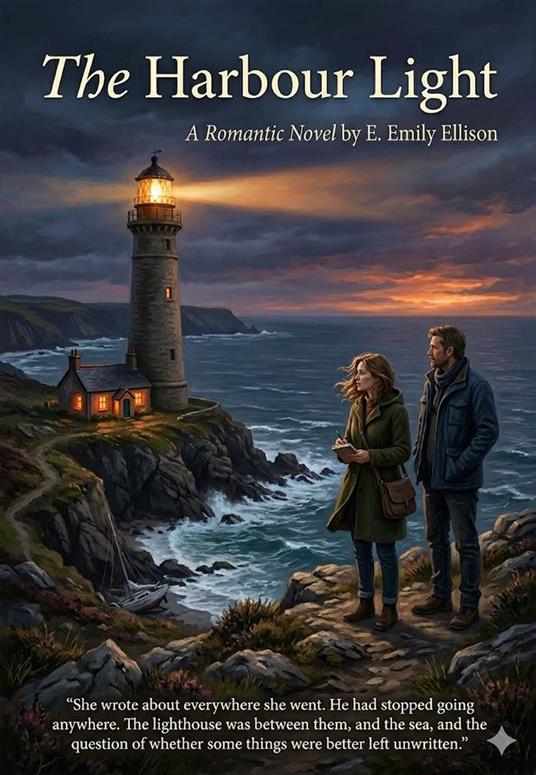
The Harbour Light
(0)
Cliccando su “Conferma” dichiari che il contenuto da te inserito è conforme alle Condizioni Generali d’Uso del Sito ed alle Linee Guida sui Contenuti Vietati. Puoi rileggere e modificare e successivamente confermare il tuo contenuto. Tra poche ore lo troverai online (in caso contrario verifica la conformità del contenuto alle policy del Sito).
Grazie per la tua recensione!
Tra poche ore la vedrai online (in caso contrario verifica la conformità del testo alle nostre linee guida). Dopo la pubblicazione per te +4 punti 
6,49 €
+60
punti 
Prezzo minimo ultimi 30 giorni: 3,99 €
Venditore: IBS

Acquista online
Scaricabile subito
Articolo acquistabile con Carta del Docente

Articolo acquistabile con Carta Cultura Giovani e Carta del Merito

Articolo acquistabile con Carta della Cultura

Abbonati a Kobo plus per avere accesso illimitato a questo contenuto

Dati e Statistiche
 Salvato in 0 liste dei desideri
Salvato in 0 liste dei desideri
The Harbour Light
Scaricabile subito
6,49 €
6,49 €
Scaricabile subito
Altre offerte vendute e spedite dai nostri venditori
Ebook in lingua straniera
The Harbour Light
Altri venditori
Prezzo e spese di spedizione
EBOOK INGLESE
EPUB2 con DRMFREE
Scaricabile subito

Venduto e spedito da
IBS
Spedizione Gratis
6,49 €
Altri venditori
Prezzo e spese di spedizione
EBOOK INGLESE
EPUB2 con DRMFREE
Scaricabile subito
Venduto e spedito da
IBS
Spedizione Gratis
6,49 €
Altri venditori
Prezzo e spese di spedizione

Tutti i formati ed edizioni
Promo attive (0)
The Harbour Light
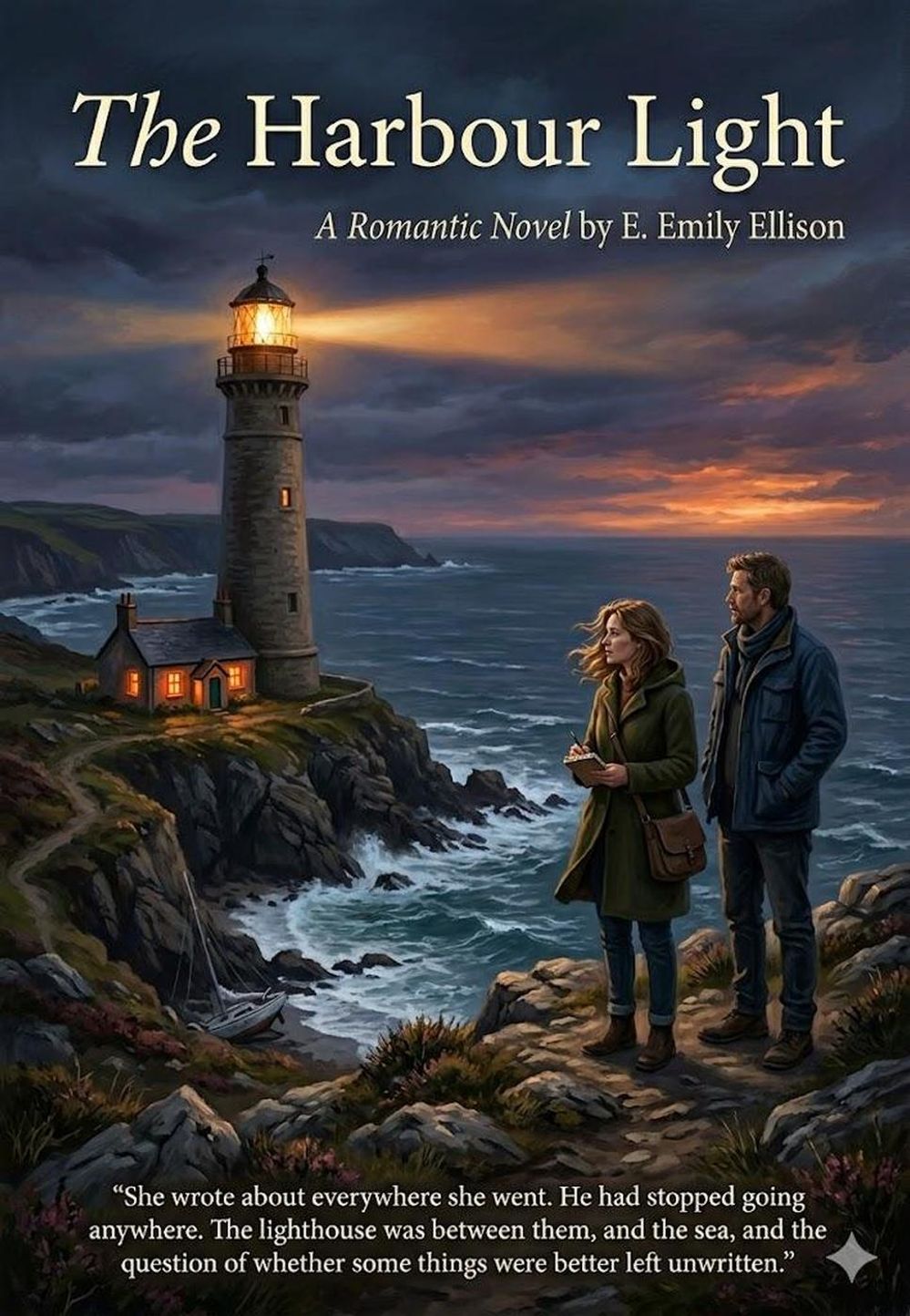
Here you go: Sylvie Crane has built her career on going places and writing about them honestly. Four travel memoirs, forty-seven countries, three war zones, and the world's most remote inhabited island — she has a gift for finding the one detail that unlocks a place and making her readers feel they were there without the inconvenience of actually being there. She is currently writing her fifth book, a memoir about the British coastline, working her way around the peninsula one stretch of cliff and cove at a time. She was not planning to add Kestrel Bay to the itinerary. She was certainly not planning to run her sailboat onto the rocks there in an October storm and be pulled, soaking and shoulder-strained, from the sea. Jonah Calloway has been keeping the Kestrel Bay lighthouse for seven months. The light itself is automated — has been for twenty years — but the building belongs to the Heritage Trust and requires maintenance, and the foghorn mechanism requires someone who understands it, and Jonah required somewhere to go after his business partner and closest friend died in an accident eighteen months ago and the life they had built together stopped making sense without him. He is not a hermit. He is a person who chose a particular quality of quiet and has been maintaining it with some success. Sylvie Crane, washed up on his rocks with a broken mast and a waterlogged notebook, is the most significant interruption he has had since he arrived. She stays two weeks. He has rules: no access to the lighthouse without him, no questions during working hours, no looking at the technical drawings on the desk in the sitting room. She accepts every rule. In return she gets the cove with its extraordinary acoustic quality, the cliff path in October light, a reindeer named Gerald who belongs to the neighbouring farm and escapes when the mood takes him, and the slowly opening door of a man who has not spoken honestly to anyone in a very long time. The problem is professional. Sylvie's entire career is writing about the places she goes and the people she meets, which means Jonah Calloway is, by professional definition, material. He knows this. She knows he knows this. What neither of them anticipated is the negotiation that follows — quiet, careful, conducted over soup and morning coffee and long silences on the headland — about what stories belong to their subjects, what privacy actually costs, and what happens when the writer finds something she is not sure she wants to turn into a chapter. Jonah is carrying eighteen months of an engineer's grief: the systematic re-examination of every structure he and Arthur ever built together, looking for the flaw, the missed calculation, the mechanism that would explain an accident the investigation already ruled equipment failure and nobody's fault. The drawings cover his desk. He has not been able to put them away. He did not expect that the person who would finally help him do so would be a travel writer who ran aground in a storm she had been warned about and did not quite heed. Set on the Cornish coast across fourteen days in October, The Harbour Light is a slow burn romance about isolation and company, about the ethics of writing and the cost of being written about, about grief that has no legitimate object and patience that turns out to be its own kind of courage. It is about a woman who has always known what comes next learning what it feels like not to, and a man who stopped going anywhere discovering that some arrivals, even the unwanted ones, are exactly what the place required. The light at Kestrel Bay has been turning since 1847. It turns whether anyone is watching. That, as Jonah would tell you, has always been the point. What changes, across two weeks in October, is who is watching it — and what they are beginning, slowly and with appropriate caution, to see.
Leggi di più
Leggi di meno
Autore:
Anno edizione:
2026
Editore:
Formato:
Lingua:
Inglese
Compatibilità:
Tutti i dispositivi (eccetto Kindle) Scopri di più
Layout:
Reflowable
EAN:
9798233981470

L'articolo è stato aggiunto al carrello
Formato:
Gli eBook venduti da IBS.it sono in formato ePub e possono essere protetti da Adobe DRM. In caso di download di un file protetto da DRM si otterrà un file in formato .acs, (Adobe Content Server Message), che dovrà essere aperto tramite Adobe Digital Editions e autorizzato tramite un account Adobe, prima di poter essere letto su pc o trasferito su dispositivi compatibili.
Cloud:
Gli eBook venduti da IBS.it sono sincronizzati automaticamente su tutti i client di lettura Kobo successivamente all’acquisto. Grazie al Cloud Kobo i progressi di lettura, le note, le evidenziazioni vengono salvati e sincronizzati automaticamente su tutti i dispositivi e le APP di lettura Kobo utilizzati per la lettura.
Clicca qui per sapere come scaricare gli ebook utilizzando un pc con sistema operativo Windows
L’articolo è stato aggiunto alla lista dei desideri
