

L’articolo è stato aggiunto alla lista dei desideri










EBOOK IN LINGUA STRANIERA
 E-mail
 Facebook
 LinkedIn
 Twitter
 WhatsApp
Life’s Below Zero The Human Winter Bird Crossing the Ocean
(0)
Cliccando su “Conferma” dichiari che il contenuto da te inserito è conforme alle Condizioni Generali d’Uso del Sito ed alle Linee Guida sui Contenuti Vietati. Puoi rileggere e modificare e successivamente confermare il tuo contenuto. Tra poche ore lo troverai online (in caso contrario verifica la conformità del contenuto alle policy del Sito).
Grazie per la tua recensione!
Tra poche ore la vedrai online (in caso contrario verifica la conformità del testo alle nostre linee guida). Dopo la pubblicazione per te +4 punti 
4,49 €
+40
punti 
Venditore: IBS

Acquista online
Scaricabile subito
Articolo acquistabile con Carta del Docente

Articolo acquistabile con Carta Cultura Giovani e Carta del Merito

Articolo acquistabile con Carta della Cultura

Abbonati a Kobo plus per avere accesso illimitato a questo contenuto

Dati e Statistiche
 Salvato in 0 liste dei desideri
Salvato in 0 liste dei desideri
Life’s Below Zero The Human Winter Bird Crossing the Ocean
Scaricabile subito
4,49 €
4,49 €
Scaricabile subito
Altre offerte vendute e spedite dai nostri venditori

Ebook in lingua straniera
Life’s Below Zero The Human Winter Bird Crossing the Ocean
Altri venditori
Prezzo e spese di spedizione
EBOOK INGLESE
EPUB3 con DRMFREE
Scaricabile subito

Venduto e spedito da
IBS
Spedizione Gratis
4,49 €
Altri venditori
Prezzo e spese di spedizione
EBOOK INGLESE
EPUB3 con DRMFREE
Scaricabile subito
Venduto e spedito da
IBS
Spedizione Gratis
4,49 €
Altri venditori
Prezzo e spese di spedizione

Tutti i formati ed edizioni
Promo attive (0)
Life’s Below Zero The Human Winter Bird Crossing the Ocean
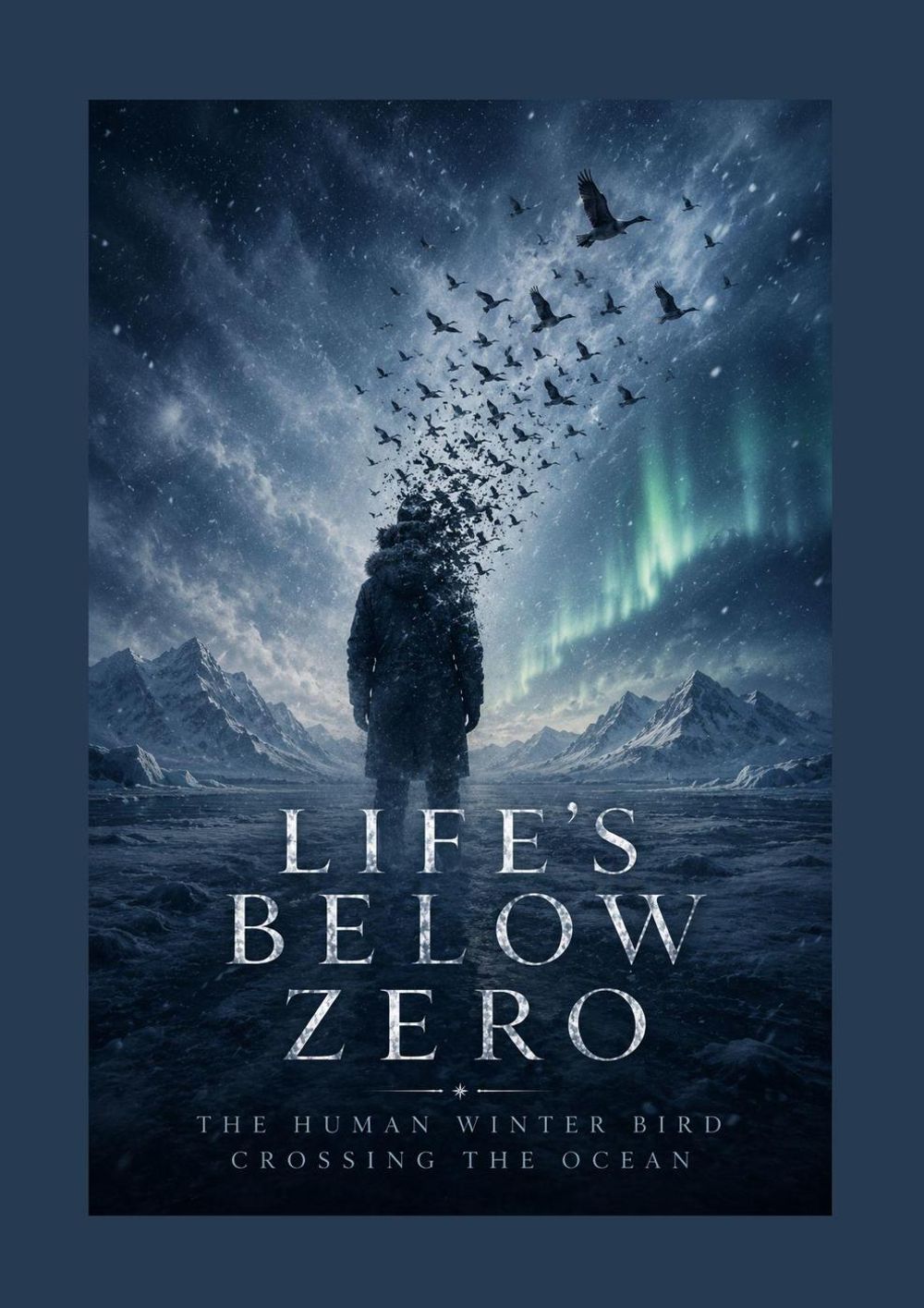
Life's Below Zero: The Human Winter Bird Crossing the Ocean is not simply a book about Alaska, winter survival, or people living in remote wilderness. It is an exploration of another possibility of human existence hidden beneath modern civilization. Every year, birds cross oceans toward climates their bodies somehow remember before arrival. Perhaps human beings do too. Some people feel it when winter comes. A restlessness. A longing for silence. A desire for cold air, distance, darkness, forests, mountains, frozen rivers, and a slower rhythm of existence far away from noise, performance, and endless stimulation. Modern civilization often teaches that there is only one successful way to live: cities, constant productivity, visibility, competition, consumption, acceleration, and permanent connection to artificial systems. But beneath this dominant rhythm, many people quietly feel another life calling them. For some, that call leads north. Through Alaska's long winters, isolated cabins, frozen landscapes, remote communities, seasonal migrations, difficult labor, silence, darkness, firelight, and enormous northern skies, this book explores one of the deepest modern questions: What happens when the human being enters an environment where modern civilization loses psychological authority? Far beyond urban speed and digital overstimulation, another emotional atmosphere appears. In the Arctic, time becomes physical again. Winter reshapes attention. Silence becomes a living environment. Labor regains meaning. Distance regains emotional depth. Darkness changes consciousness itself. But this book is not anti-civilization. It is not romantic fantasy. It is not escapism. It is not wilderness propaganda. The Arctic is difficult. Cold can kill. Isolation can wound. Darkness can transform people psychologically. And yet, for certain individuals, Alaska feels less like escape and more like recognition. Like returning to a forgotten rhythm hidden somewhere deep inside the body. Life's Below Zero explores: the psychology of winter, the emotional effects of silence, seasonal identity, migration instincts, alternative lifestyles, Arctic consciousness, modern exhaustion, hidden second lives, loneliness, love in remote environments, aging beneath northern skies, the emotional meaning of physical work, and the possibility that human beings were never meant to exist inside one universal lifestyle. Through existential reflection, environmental philosophy, wilderness psychology, and deeply atmospheric literary prose, the book slowly uncovers the figure at its center: the human winter bird. The individual who feels emotionally alive beneath snow and darkness. The person who crosses modern civilization every year searching for another climate of existence. The soul that still listens for ancient migration rhythms modern systems cannot fully erase. This is ultimately a book about plurality: multiple human realities, multiple emotional climates, multiple ways of existing beneath the same sky. Some people belong to cities. Some belong to oceans. Some belong to movement and crowds. Some belong to silence. And some belong to winter. For readers drawn toward: Alaska, Arctic life, existential nonfiction, deep nature writing, wilderness psychology, silence, alternative existence, seasonal identity, or the hidden emotional longing for another way of living— this book offers not answers, but recognition. Somewhere beyond the artificial glow of modern life, beneath northern darkness and endless snow, another possibility of being human still survives quietly. And perhaps, somewhere deep inside you, the winter bird is already listening for the season to return.
Leggi di più
Leggi di meno
Compatibilità:
Tutti i dispositivi (eccetto Kindle) Scopri di più
Layout:
Reflowable
EAN:
9798235691346
L'articolo è stato aggiunto al carrello
Formato:
Gli eBook venduti da IBS.it sono in formato ePub e possono essere protetti da Adobe DRM. In caso di download di un file protetto da DRM si otterrà un file in formato .acs, (Adobe Content Server Message), che dovrà essere aperto tramite Adobe Digital Editions e autorizzato tramite un account Adobe, prima di poter essere letto su pc o trasferito su dispositivi compatibili.
Cloud:
Gli eBook venduti da IBS.it sono sincronizzati automaticamente su tutti i client di lettura Kobo successivamente all’acquisto. Grazie al Cloud Kobo i progressi di lettura, le note, le evidenziazioni vengono salvati e sincronizzati automaticamente su tutti i dispositivi e le APP di lettura Kobo utilizzati per la lettura.
Clicca qui per sapere come scaricare gli ebook utilizzando un pc con sistema operativo Windows
L’articolo è stato aggiunto alla lista dei desideri
