









L’articolo è stato aggiunto alla lista dei desideri
Offerte
Novità
Disponibilità
Prezzo (€)
Autori
Vedi tutti
Mostra meno
Editori e marche
Vedi tutti
Mostra meno
Collane e linee
Vedi tutti
Mostra meno
Fasce d'età
Venditore
Medical Neurology (4379)



Reaching Down the Rabbit Hole: Extraordinary Journeys into the Human Brain
 Venditore: IBS
-5%
16,50 €
15,68 €
Women and Girls on the Autism Spectrum, Second Edition: Understanding Life Experiences from Early Childhood to Old Age
 Venditore: IBS
-5%
22,49 €
21,37 €
Steps to Follow: The Comprehensive Treatment of Patients with Hemiplegia
 Venditore: IBS
Springer-Verlag Berlin and Heidelberg GmbH & Co. KG,
2000
Libri in Inglese | Medical
Disponibilità immediata

-50%
123,10 €
61,55 €

Serotonin: The Brain's Natural Antidepressant and Appetite Inhibitor
 Venditore: IBS
-50%
11,39 €
5,70 €

Care Aesthetics and Dementia Studies: New Directions for Person-Centred Practices
 Venditore: IBS
-5%
189,19 €
179,73 €
Care Aesthetics and Dementia Studies: New Directions for Person-Centred Practices
 Venditore: IBS
-5%
48,39 €
45,97 €
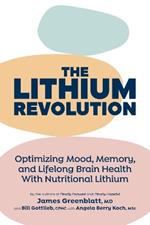
The Lithium Revolution: Optimizing Mood, Memory, and Lifelong Brain Health With Nutritional Lithium
 Venditore: IBS
-5%
19,94 €
18,94 €
The Mind Electric: Stories of the Strangeness and Wonder of Our Brains
 Venditore: IBS
-50%
24,60 €
12,30 €


Ghost Boy: The Miraculous Escape of a Misdiagnosed Boy Trapped Inside His Own Body
 Venditore: IBS
-5%
13,74 €
13,05 €

A Brief History of Intelligence: Why the Evolution of the Brain Holds the Key to the Future of Ai
 Venditore: IBS
-5%
16,24 €
15,43 €



Phantoms in the Brain: Human Nature and the Architecture of the Mind
 Venditore: IBS
-5%
16,24 €
15,43 €


Informazioni sull’ordinamento
Vengono mostrati per primi i prodotti che rispondono a questi criteri: rilevanza rispetto alla ricerca, dati di venduto, disponibilità, data di pubblicazione, tipologia di prodotto, personalizzazione ad eccezione delle sponsorizzazioni.
