

L’articolo è stato aggiunto alla lista dei desideri








LIBRO INGLESE
 E-mail
 Facebook
 LinkedIn
 Twitter
 WhatsApp
New State-Making in the Pacific Rim, 1850–1974: Gold, Silver, Oil, Greed, and Government
(0)
Cliccando su “Conferma” dichiari che il contenuto da te inserito è conforme alle Condizioni Generali d’Uso del Sito ed alle Linee Guida sui Contenuti Vietati. Puoi rileggere e modificare e successivamente confermare il tuo contenuto. Tra poche ore lo troverai online (in caso contrario verifica la conformità del contenuto alle policy del Sito).
Grazie per la tua recensione!
Tra poche ore la vedrai online (in caso contrario verifica la conformità del testo alle nostre linee guida). Dopo la pubblicazione per te +4 punti 
141,40 €
+1410
punti 
Venditore: IBS
Articolo acquistabile con Carta del Docente

Articolo acquistabile con Carta Cultura Giovani e Carta del Merito

Articolo acquistabile con Carta della Cultura

Paga con Klarna in 3 rate senza interessi per ordini superiori a 39 €

Dati e Statistiche
 Salvato in 0 liste dei desideri
Salvato in 0 liste dei desideri
New State-Making in the Pacific Rim, 1850–1974: Gold, Silver, Oil, Greed, and Government
Disponibilità in 2 settimane
141,40 €
141,40 €
Disponibilità in 2 settimane
Altre offerte vendute e spedite dai nostri venditori
Libri in Inglese
New State-Making in the Pacific Rim, 1850–1974: Gold, Silver, Oil, Greed, and Government
Altri venditori
Prezzo e spese di spedizione
LIBRO INGLESE
Disponibilità in 2 settimane

Venduto e spedito da
IBS
Spedizione Gratis
141,40 €
Altri venditori
Prezzo e spese di spedizione
LIBRO INGLESE
Disponibilità in 2 settimane
Venduto e spedito da
IBS
Spedizione Gratis
141,40 €
Altri venditori
Prezzo e spese di spedizione

Tutti i formati ed edizioni
Promo attive (0)
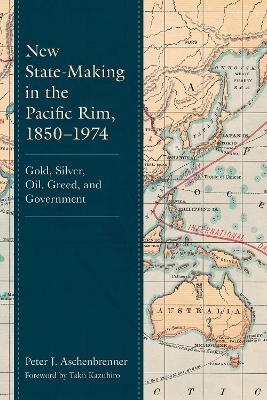
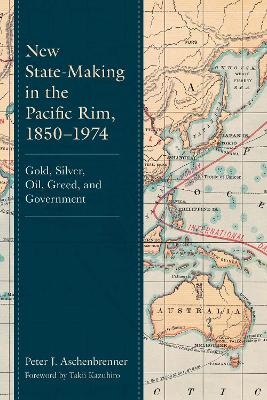
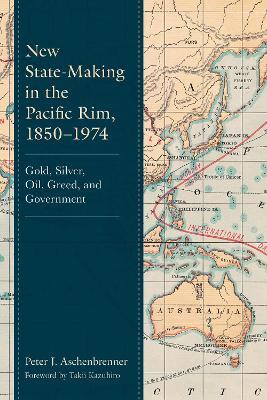
European colonial empires were built on private wealth-seeking (gold, silver and oil). These extractive activities required massive public subsidies. Drawing on the experience of three Pacific Rim nations — Australia, Japan and Canada and two territories in the US (Hawaii and Alaska) — New State-Making in the Pacific Rim, 1850-1974: Gold, Silver, Oil, Greed and Government demonstrates how 19th century colonialism contained the seeds of its own destruction. Peter J. Aschenbrenner identifies three factors that marked the turning point in the history of colonialism. First, governments demanded a greater return to the public treasury from private extractive activities and a reduced footprint (measured in environmental devastation and obliteration of local cultures. Second, first residents acquired considerable skill in ‘adaptation for survival,’ that is, fighting back against oppression (manifested in programs of extermination, forced population movement and hostility to language, religion and traditional subsistence practices). Third, colonial nations’ participation in World War I required their armed forces to fill manpower needs by calling on minorities to perform military service. This gave minorities significant leverage in their struggle to achieve equal political rights and access to their fair share of government benefits. Rethinking colonial practices became a realistic option, once national survival was at risk.
Leggi di più
Leggi di meno
Autore:
Editore:
Anno:
2024
Rilegatura:
Hardback
Pagine:
236 p.
Testo in English
Dimensioni:
229 x 152 mm
EAN:
9781666921892

L'articolo è stato aggiunto al carrello
Informazioni e Contatti sulla Sicurezza dei Prodotti
Le schede prodotto sono aggiornate in conformità al Regolamento UE 988/2023. Laddove ci fossero taluni dati non disponibili per ragioni indipendenti da IBS, vi informiamo che stiamo compiendo ogni ragionevole sforzo per inserirli. Vi invitiamo a controllare periodicamente il sito www.ibs.it per eventuali novità e aggiornamenti.
Per le vendite di prodotti da terze parti, ciascun venditore si assume la piena e diretta responsabilità per la commercializzazione del prodotto e per la sua conformità al Regolamento UE 988/2023, nonché alle normative nazionali ed europee vigenti.
Per informazioni sulla sicurezza dei prodotti, contattare productsafetyibs@feltrinelli.it
L’articolo è stato aggiunto alla lista dei desideri
