

L’articolo è stato aggiunto alla lista dei desideri








LIBRO INGLESE
 E-mail
 Facebook
 LinkedIn
 Twitter
 WhatsApp
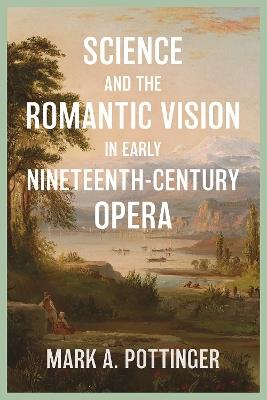
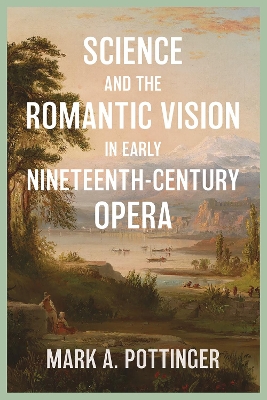
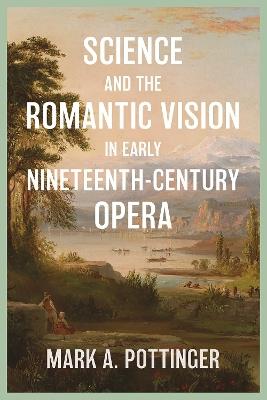
Science and the Romantic Vision in Early Nineteenth-Century Opera
(0)
Cliccando su “Conferma” dichiari che il contenuto da te inserito è conforme alle Condizioni Generali d’Uso del Sito ed alle Linee Guida sui Contenuti Vietati. Puoi rileggere e modificare e successivamente confermare il tuo contenuto. Tra poche ore lo troverai online (in caso contrario verifica la conformità del contenuto alle policy del Sito).
Grazie per la tua recensione!
Tra poche ore la vedrai online (in caso contrario verifica la conformità del testo alle nostre linee guida). Dopo la pubblicazione per te +4 punti 
88,82 €

-5%
93,50 €
+890
punti
Venditore: IBS
Articolo acquistabile con Carta del Docente

Articolo acquistabile con Carta Cultura Giovani e Carta del Merito

Articolo acquistabile con Carta della Cultura

Paga con Klarna in 3 rate senza interessi per ordini superiori a 39 €

Dati e Statistiche
 Salvato in 0 liste dei desideri
Salvato in 0 liste dei desideri
Science and the Romantic Vision in Early Nineteenth-Century Opera
Disponibilità in 3 settimane
88,82 €
-5%
93,50 €
88,82 €
93,50 €
-5%
Disponibilità in 3 settimane
Altre offerte vendute e spedite dai nostri venditori
Libri in Inglese
Science and the Romantic Vision in Early Nineteenth-Century Opera
Altri venditori
Prezzo e spese di spedizione
LIBRO INGLESE
Disponibilità in 3 settimane

Venduto e spedito da
IBS
Spedizione Gratis
-5%
93,50 €
88,82 €
Altri venditori
Prezzo e spese di spedizione
LIBRO INGLESE
Disponibilità in 3 settimane
Venduto e spedito da
IBS
Spedizione Gratis
-5%
93,50 €
88,82 €
Altri venditori
Prezzo e spese di spedizione

Tutti i formati ed edizioni
Promo attive (0)
An interdisciplinary study of how early nineteenth-century science and opera articulated a transnational romantic vision of harmony between self and nature, and how this ideal gave way to mid-century realism and social conflict. The end of the Napoleonic era ushered in a transnational outlook for Europe, where the traditional boundaries that separated people, ideas and things were blurred in favour of a unified and cosmopolitan vision for society. The result of this shift created a 'romantic vision', a new way to perceive the imagined potential of the self in correspondence with the infinite reality of the natural world. Early nineteenth-century scientists such as Alexander von Humboldt (earth sciences), Franz Anton Mesmer (mesmerism), Johann Wilhelm Ritter (galvanism) and Frédéric Dubois d'Amiens (hysteria) are explored in this context to see how the romantic vision was reflected in their work and received by society. Seeing opera as a confluence of all the arts and encompassing a similar romantic vision, this book examines three paradigmatic operas that contend with the forces of nature: Weber's Der Freischütz (1821), Meyerbeer's Robert le diable (1831) and Donizetti's Lucia di Lammermoor (1835). In these three highly successful works from separate operatic traditions, the unseen, inner world of nature reveals a wholeness of the self with the divine, showcasing a healthy optimism for society. The book concludes by discussing Gounod's Faust (1859), a work that highlights the struggle of an early-16th-century scientist and places it against the context of the social revolutions of 1848 and the seminal publication of Charles Darwin's The Origin of Species in 1859. In this post-1850 era, the potential of the unseen reality of nature is cast aside and replaced with the certainty of the everyday-the violence of man against man, the struggle for power and the destruction of nature itself.
Leggi di più
Leggi di meno
Autore:
Editore:
Collana:
Music in Society and Culture
Anno:
2026
Rilegatura:
Hardback
Pagine:
216 p.
Testo in English
Dimensioni:
234 x 156 mm
EAN:
9781837652334

L'articolo è stato aggiunto al carrello
Informazioni e Contatti sulla Sicurezza dei Prodotti
Le schede prodotto sono aggiornate in conformità al Regolamento UE 988/2023. Laddove ci fossero taluni dati non disponibili per ragioni indipendenti da IBS, vi informiamo che stiamo compiendo ogni ragionevole sforzo per inserirli. Vi invitiamo a controllare periodicamente il sito www.ibs.it per eventuali novità e aggiornamenti.
Per le vendite di prodotti da terze parti, ciascun venditore si assume la piena e diretta responsabilità per la commercializzazione del prodotto e per la sua conformità al Regolamento UE 988/2023, nonché alle normative nazionali ed europee vigenti.
Per informazioni sulla sicurezza dei prodotti, contattare productsafetyibs@feltrinelli.it
L’articolo è stato aggiunto alla lista dei desideri
