

L’articolo è stato aggiunto alla lista dei desideri








LIBRO INGLESE
 E-mail
 Facebook
 LinkedIn
 Twitter
 WhatsApp
Sigma Proteins: Evolution of the Concept of Sigma Receptors
(0)
Cliccando su “Conferma” dichiari che il contenuto da te inserito è conforme alle Condizioni Generali d’Uso del Sito ed alle Linee Guida sui Contenuti Vietati. Puoi rileggere e modificare e successivamente confermare il tuo contenuto. Tra poche ore lo troverai online (in caso contrario verifica la conformità del contenuto alle policy del Sito).
Grazie per la tua recensione!
Tra poche ore la vedrai online (in caso contrario verifica la conformità del testo alle nostre linee guida). Dopo la pubblicazione per te +4 punti 
405,20 €
+4050
punti 
Venditore: IBS
Articolo acquistabile con Carta del Docente

Articolo acquistabile con Carta Cultura Giovani e Carta del Merito

Articolo acquistabile con Carta della Cultura

Paga con Klarna in 3 rate senza interessi per ordini superiori a 39 €

Dati e Statistiche
 Salvato in 0 liste dei desideri
Salvato in 0 liste dei desideri
Sigma Proteins: Evolution of the Concept of Sigma Receptors
Disponibilità in 2 settimane
405,20 €
405,20 €
Disponibilità in 2 settimane
Altre offerte vendute e spedite dai nostri venditori

Libri in Inglese
Sigma Proteins: Evolution of the Concept of Sigma Receptors
Altri venditori
Prezzo e spese di spedizione

LIBRO INGLESE
Disponibilità in 2 settimane

Venduto e spedito da
IBS
Spedizione Gratis
405,20 €
Altri venditori
Prezzo e spese di spedizione
LIBRO INGLESE
Disponibilità in 2 settimane
Venduto e spedito da
IBS
Spedizione Gratis
405,20 €
Altri venditori
Prezzo e spese di spedizione

Tutti i formati ed edizioni
Promo attive (0)
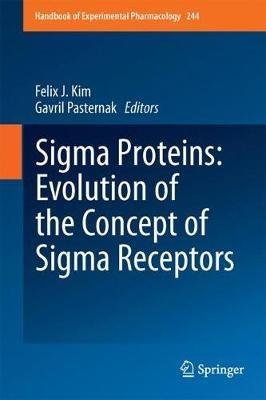
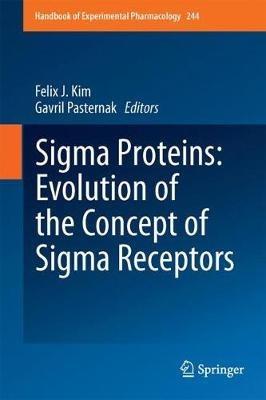
Two sigma receptor subtypes have been proposed, sigma1 and 2. Much of our understanding of this system is based on biochemical and pharmacological characterization of the cloned sigma1 receptor subtype (Sigma1). It has become clear that sigma receptors are not canonical receptors. Sigma1 is highly conserved among mammalian species, however, it does not share significant homology with any other mammalian protein. Although a range of structurally diverse small molecules bind Sigma1 with high affinity, and it has been associated with a broad range of signaling systems, Sigma1 itself has no known signaling or enzymatic activity. The evolution of this field over nearly four decades has more recently led to a fundamental shift in the concept of “sigma receptors” to what may more accurately and generally be called sigma proteins. Largely based on traditional pharmacologic approaches, the Sigma1 protein has been associated with a broad range of signaling systems, including G-protein coupled receptors, NMDA receptors, and ion channels. Sigma proteins have been linked to a range of physiological processes, including intracellular calcium signaling, neuroprotection, learning, memory, and cognition. Emerging genetic, clinical, and mechanism focused molecular pharmacology data demonstrate the involvement of proteins in a range of pathophysiologies and disorders including neurodegenerative disease, pain, addiction, psychomotor stimulant abuse, and cancer. However, an understanding of the physiological role of sigma proteins has remained elusive. Emerging data associate Sigma1 with chaperone-like activities or molecular scaffold functions. This book aims to provide an updated perspective on this rapidly evolving field undergoing changes in fundamental concepts of key importance to the discipline of pharmacology. It focusses on the reported roles of sigma proteins in pathophysiology and on emergent therapeutic initiatives.
Leggi di più
Leggi di meno
Curatore:
Editore:
Collana:
Handbook of Experimental Pharmacology
Anno:
2017
Rilegatura:
Hardback
Pagine:
330 p.
Testo in English
Dimensioni:
235 x 155 mm
EAN:
9783319658513

L'articolo è stato aggiunto al carrello
Informazioni e Contatti sulla Sicurezza dei Prodotti
Le schede prodotto sono aggiornate in conformità al Regolamento UE 988/2023. Laddove ci fossero taluni dati non disponibili per ragioni indipendenti da IBS, vi informiamo che stiamo compiendo ogni ragionevole sforzo per inserirli. Vi invitiamo a controllare periodicamente il sito www.ibs.it per eventuali novità e aggiornamenti.
Per le vendite di prodotti da terze parti, ciascun venditore si assume la piena e diretta responsabilità per la commercializzazione del prodotto e per la sua conformità al Regolamento UE 988/2023, nonché alle normative nazionali ed europee vigenti.
Per informazioni sulla sicurezza dei prodotti, contattare productsafetyibs@feltrinelli.it
L’articolo è stato aggiunto alla lista dei desideri
