

L’articolo è stato aggiunto alla lista dei desideri








LIBRO INGLESE
 E-mail
 Facebook
 LinkedIn
 Twitter
 WhatsApp
Steroid Hormones and the T-Cell Cytokine Profile
(0)
Cliccando su “Conferma” dichiari che il contenuto da te inserito è conforme alle Condizioni Generali d’Uso del Sito ed alle Linee Guida sui Contenuti Vietati. Puoi rileggere e modificare e successivamente confermare il tuo contenuto. Tra poche ore lo troverai online (in caso contrario verifica la conformità del contenuto alle policy del Sito).
Grazie per la tua recensione!
Tra poche ore la vedrai online (in caso contrario verifica la conformità del testo alle nostre linee guida). Dopo la pubblicazione per te +4 punti 
137,50 €
+1380
punti 
Venditore: IBS
Articolo acquistabile con Carta del Docente

Articolo acquistabile con Carta Cultura Giovani e Carta del Merito

Articolo acquistabile con Carta della Cultura

Paga con Klarna in 3 rate senza interessi per ordini superiori a 39 €

Dati e Statistiche
 Salvato in 0 liste dei desideri
Salvato in 0 liste dei desideri
Steroid Hormones and the T-Cell Cytokine Profile
Disponibilità in 2 settimane
137,50 €
137,50 €
Disponibilità in 2 settimane
Altre offerte vendute e spedite dai nostri venditori
Libri in Inglese
Steroid Hormones and the T-Cell Cytokine Profile
Altri venditori
Prezzo e spese di spedizione
LIBRO INGLESE
Disponibilità in 2 settimane

Venduto e spedito da
IBS
Spedizione Gratis
137,50 €
Altri venditori
Prezzo e spese di spedizione
LIBRO INGLESE
Disponibilità in 2 settimane
Venduto e spedito da
IBS
Spedizione Gratis
137,50 €
Altri venditori
Prezzo e spese di spedizione

Tutti i formati ed edizioni
Promo attive (0)
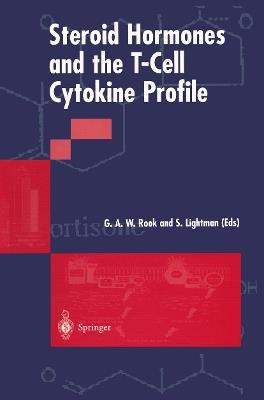
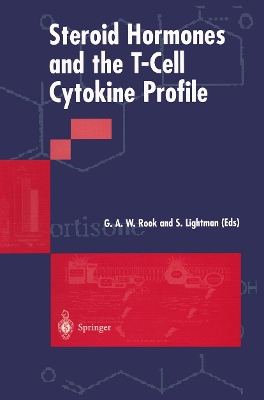
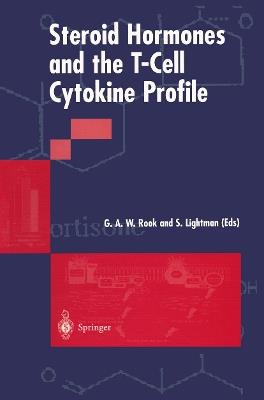
The fact that certain adrenal steroid hormones are immunosuppressive and anti-inflammatory has been known for many years, and is routinely exploited by physicians. These effects are attributable to glucocorticoid steroids such as cortisol. Pharmacological doses of glucocorticoids inhibit most or all T cell types. However we now know that the effect of exposure to raised physiological levels is mainly to drive developing lymphocyte responses towards a Th2 cytokine profile (interleukin-4 secreting) while suppressing the development ofThi (gamma interferon- secreting) lymphocytes. Only recently have two further regulatory mechanisms become appar- ent. First, these effects of cortisol are balanced by pro-inflammatory and ThI-enhancing effects of another adrenal steroid, dehydroepiandro- sterone sulfate (DHEAS). Second, the activity of cortisol is directly modulated by enzymes in the target organs and lymphoid tissues that convert it into inactive cortisone. This new information leads to the possibility that immunoregulatory steroids could be used by physicians in novel ways. We can envisage steroid combinations that exploit the anti-inflammatory effects of corti- sol, while the Thi-suppressing and Th2-promoting properties of these hormones are opposed by derivatives of DHEAS. Such therapies are already proving effective in animal models of infection, and could revol- utionize treatment of Th2-mediated diseases such as asthma, where the anti-inflammatory effects of cortisol are desirable but the effects on T lymphocyte differentiation are not.
Leggi di più
Leggi di meno
Curatore:
Editore:
Anno:
2011
Rilegatura:
Paperback / softback
Pagine:
227 p.
Testo in English
Dimensioni:
235 x 155 mm
EAN:
9781447112389

L'articolo è stato aggiunto al carrello
Informazioni e Contatti sulla Sicurezza dei Prodotti
Le schede prodotto sono aggiornate in conformità al Regolamento UE 988/2023. Laddove ci fossero taluni dati non disponibili per ragioni indipendenti da IBS, vi informiamo che stiamo compiendo ogni ragionevole sforzo per inserirli. Vi invitiamo a controllare periodicamente il sito www.ibs.it per eventuali novità e aggiornamenti.
Per le vendite di prodotti da terze parti, ciascun venditore si assume la piena e diretta responsabilità per la commercializzazione del prodotto e per la sua conformità al Regolamento UE 988/2023, nonché alle normative nazionali ed europee vigenti.
Per informazioni sulla sicurezza dei prodotti, contattare productsafetyibs@feltrinelli.it
L’articolo è stato aggiunto alla lista dei desideri
