

L’articolo è stato aggiunto alla lista dei desideri









EBOOK IN LINGUA STRANIERA
 E-mail
 Facebook
 LinkedIn
 Twitter
 WhatsApp
Tangled Up
(0)
Cliccando su “Conferma” dichiari che il contenuto da te inserito è conforme alle Condizioni Generali d’Uso del Sito ed alle Linee Guida sui Contenuti Vietati. Puoi rileggere e modificare e successivamente confermare il tuo contenuto. Tra poche ore lo troverai online (in caso contrario verifica la conformità del contenuto alle policy del Sito).
Grazie per la tua recensione!
Tra poche ore la vedrai online (in caso contrario verifica la conformità del testo alle nostre linee guida). Dopo la pubblicazione per te +4 punti 
5,49 €
+50
punti 
Venditore: IBS

Acquista online
Scaricabile subito
Articolo acquistabile con Carta del Docente

Articolo acquistabile con Carta Cultura Giovani e Carta del Merito

Articolo acquistabile con Carta della Cultura

Abbonati a Kobo plus per avere accesso illimitato a questo contenuto

Dati e Statistiche
 Salvato in 0 liste dei desideri
Salvato in 0 liste dei desideri
Tangled Up
Scaricabile subito
5,49 €
5,49 €
Scaricabile subito
Altre offerte vendute e spedite dai nostri venditori
Ebook in lingua straniera
Tangled Up
Altri venditori
Prezzo e spese di spedizione
EBOOK INGLESE
EPUB3 con DRMFREE
Scaricabile subito

Venduto e spedito da
IBS
Spedizione Gratis
5,49 €
Altri venditori
Prezzo e spese di spedizione
EBOOK INGLESE
EPUB3 con DRMFREE
Scaricabile subito
Venduto e spedito da
IBS
Spedizione Gratis
5,49 €
Altri venditori
Prezzo e spese di spedizione

Tutti i formati ed edizioni
Promo attive (0)
Tangled Up
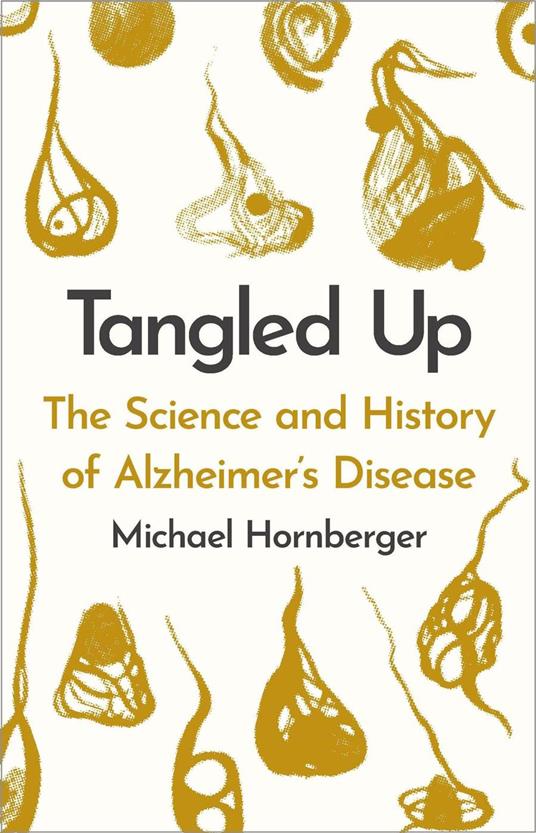
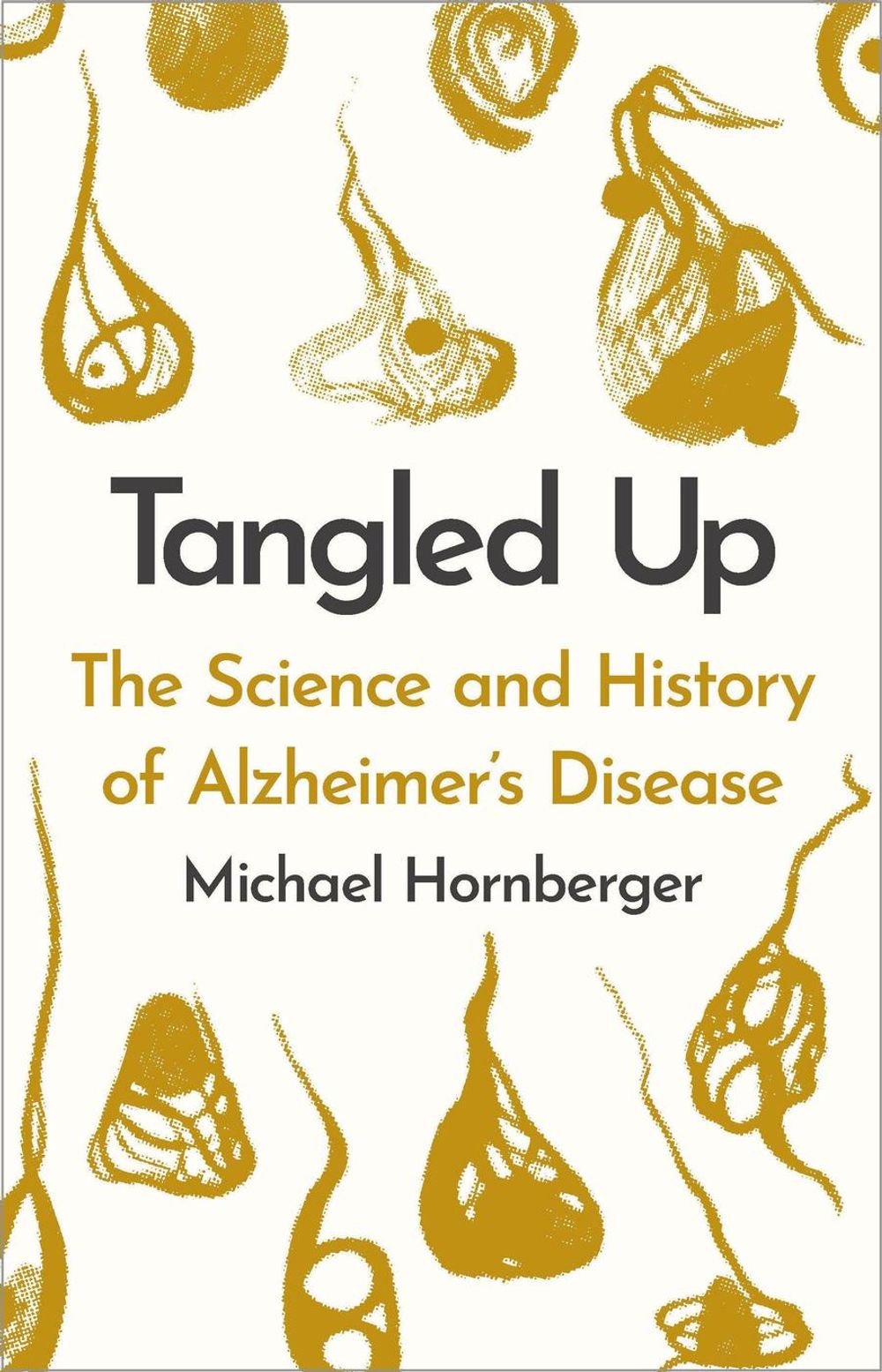
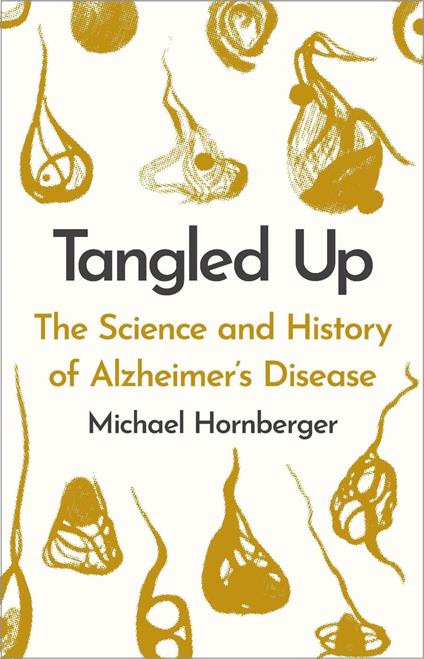
The only comprehensive guide to the history and science of Alzheimer's disease When Alzheimer's disease enters a family, it rarely arrives with clarity. A forgotten appointment, a repeated story, a moment of sudden disorientation—small fractures that raise frightening questions about the future. Tangled Up: The History and Science of Alzheimer's Disease is Professor Michael Hornberger's clear, readable guide to what is happening inside the brain, why it happens, and what today's science can do about it. This is not a vague "brain health" overview. It is a lay-friendly journey through the neuroscience of Alzheimer's disease: how the earliest brain changes build silently over years; how they translate into the symptoms families see; and why the story of Alzheimer's is, at its heart, a story of proteins — amyloid plaques and tau tangles — becoming dangerously tangled up. Hornberger begins where the modern field began: early 20th-Century Germany, where Alois Alzheimer met Auguste Deter, the first patient whose symptoms were linked to distinctive microscopic changes in the brain. Alongside Alzheimer stands the overlooked Oskar Fischer — another pioneer whose discovery deserves to be remembered. Part history, part scientific detective story, these opening chapters bring human voices and hard evidence together. From there, Tangled Up moves into what most of us fear most: memory. Hornberger explains how episodic memory works — how the brain encodes, stores, and retrieves the events of our lives — and why Alzheimer's disease disrupts access to recent memories first. You'll understand why a loved one may seem to be "living in the past," why the same questions return again and again, and why some everyday forgetfulness is normal ageing, while other patterns deserve attention. One of the book's most valuable contributions is its spotlight on an under-recognised early warning sign: spatial disorientation. Getting lost in familiar places, confusion in one's own home, and a shrinking "mental map" can appear early and carry real-world risk. Tangled Up shows how the brain's navigation systems work and why Alzheimer's can unsettle them — offering a new lens for understanding behaviour and planning for safety without surrendering dignity. At the core of the book is a deep dive into plaques and tangles. You'll learn what amyloid and tau normally do, how they go awry, how they spread through the brain, and how modern biomarker technology is transforming diagnosis. Blood tests, spinal fluid measures, and advanced brain imaging are opening the door to earlier detection — sometimes even before symptoms are obvious — changing the future of prevention, clinical trials, and treatment. And treatments are no longer a distant promise. Hornberger explains the breakthroughs and the limitations: why many drug trials failed, why targeting a single pathway is difficult, and why some newer medications can slow progression in early stages. He demystifies the headlines around monoclonal antibodies and other emerging therapies, helping you follow the science with confidence instead of confusion. Because fear often begins with family history, Tangled Up tackles genetics with reassurance and precision. You'll learn the difference between rare inherited forms and common risk genes, and why genes are rarely destiny. Just as importantly, Hornberger explores lifestyle and environmental risk factors — what is modifiable, what is not, and what evidence suggests can meaningfully lower risk. Finally, the book broadens the public understanding of Alzheimer's disease by covering rarer forms that don't begin with memory loss: variants that present with changes in behaviour, vision, language, or movement. Recognising these patterns can be life-changing for patients and families searching for answers.
Leggi di più
Leggi di meno
Autore:
Anno edizione:
2025
Editore:
Formato:
Lingua:
Inglese
Compatibilità:
Tutti i dispositivi (eccetto Kindle) Scopri di più
Layout:
Reflowable
EAN:
9781914487415
L'articolo è stato aggiunto al carrello
Formato:
Gli eBook venduti da IBS.it sono in formato ePub e possono essere protetti da Adobe DRM. In caso di download di un file protetto da DRM si otterrà un file in formato .acs, (Adobe Content Server Message), che dovrà essere aperto tramite Adobe Digital Editions e autorizzato tramite un account Adobe, prima di poter essere letto su pc o trasferito su dispositivi compatibili.
Cloud:
Gli eBook venduti da IBS.it sono sincronizzati automaticamente su tutti i client di lettura Kobo successivamente all’acquisto. Grazie al Cloud Kobo i progressi di lettura, le note, le evidenziazioni vengono salvati e sincronizzati automaticamente su tutti i dispositivi e le APP di lettura Kobo utilizzati per la lettura.
Clicca qui per sapere come scaricare gli ebook utilizzando un pc con sistema operativo Windows
L’articolo è stato aggiunto alla lista dei desideri
