

L’articolo è stato aggiunto alla lista dei desideri









LIBRO INGLESE
 E-mail
 Facebook
 LinkedIn
 Twitter
 WhatsApp
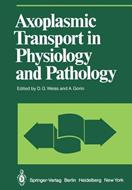
Axoplasmic Transport in Physiology and Pathology
(0)
Cliccando su “Conferma” dichiari che il contenuto da te inserito è conforme alle Condizioni Generali d’Uso del Sito ed alle Linee Guida sui Contenuti Vietati. Puoi rileggere e modificare e successivamente confermare il tuo contenuto. Tra poche ore lo troverai online (in caso contrario verifica la conformità del contenuto alle policy del Sito).
Grazie per la tua recensione!
Tra poche ore la vedrai online (in caso contrario verifica la conformità del testo alle nostre linee guida). Dopo la pubblicazione per te +4 punti 
173,60 €
+1740
punti 
Venditore: IBS
Articolo acquistabile con Carta del Docente

Articolo acquistabile con Carta Cultura Giovani e Carta del Merito

Articolo acquistabile con Carta della Cultura

Paga con Klarna in 3 rate senza interessi per ordini superiori a 39 €

Dati e Statistiche
 Salvato in 0 liste dei desideri
Salvato in 0 liste dei desideri
Axoplasmic Transport in Physiology and Pathology
Disponibilità in 2 settimane
173,60 €
173,60 €
Disponibilità in 2 settimane
Altre offerte vendute e spedite dai nostri venditori
Libri in Inglese
Axoplasmic Transport in Physiology and Pathology
Altri venditori
Prezzo e spese di spedizione

LIBRO INGLESE
Disponibilità in 2 settimane

Venduto e spedito da
IBS
Spedizione Gratis
173,60 €
Altri venditori
Prezzo e spese di spedizione
LIBRO INGLESE
Disponibilità in 2 settimane
Venduto e spedito da
IBS
Spedizione Gratis
173,60 €
Altri venditori
Prezzo e spese di spedizione

Tutti i formati ed edizioni

Promo attive (0)
Cajal and contemporary scientists have laid the basis of the modem concepts of the organization of the nervous system: the cir cuits of the brain are made up of individual neurons which transfer information via specialized structures called synapses. Soma and den drites usually receive the inputs, then the signal is carried all along the axon to the target areas. To fulfIll this task several types of neurons have developed their unique geometry characterized by a large recep tive area (soma and dendrites) and an often very extensive distal branching with the axon terminals. The volume of cytoplasm which constitutes the neuronal periphery is often far larger than the cell body, where the synthetic machinery is located. It is one of the roles ofaxoplasmic transport to supply the periphery with proper material and to sustain the specialized structures necessary for the physiological activity of the neuron. Furthermore, it has become more and more clear that target areas also exert effects on the innervating neurons, and these effects are not only mediated via recurrent fibers. Synapses have been shown to be able to pick up material from the synaptic left which is then intra axon ally transported back to the cell body. This retrograde axoplasmic transport has therefore been recognized as another basic mechanism to convey signals from the periphery to the centre.
Leggi di più
Leggi di meno
Curatore:
Collana:
Proceedings in Life Sciences
Anno:
2012
Rilegatura:
Paperback / softback
Pagine:
192 p.
Testo in English
Dimensioni:
244 x 170 mm
EAN:
9783642857164

L'articolo è stato aggiunto al carrello
Informazioni e Contatti sulla Sicurezza dei Prodotti
Le schede prodotto sono aggiornate in conformità al Regolamento UE 988/2023. Laddove ci fossero taluni dati non disponibili per ragioni indipendenti da IBS, vi informiamo che stiamo compiendo ogni ragionevole sforzo per inserirli. Vi invitiamo a controllare periodicamente il sito www.ibs.it per eventuali novità e aggiornamenti.
Per le vendite di prodotti da terze parti, ciascun venditore si assume la piena e diretta responsabilità per la commercializzazione del prodotto e per la sua conformità al Regolamento UE 988/2023, nonché alle normative nazionali ed europee vigenti.
Per informazioni sulla sicurezza dei prodotti, contattare productsafetyibs@feltrinelli.it
L’articolo è stato aggiunto alla lista dei desideri
