

L’articolo è stato aggiunto alla lista dei desideri









EBOOK IN LINGUA STRANIERA
 E-mail
 Facebook
 LinkedIn
 Twitter
 WhatsApp
Difference Between an Employee and a Contractor
(0)
Cliccando su “Conferma” dichiari che il contenuto da te inserito è conforme alle Condizioni Generali d’Uso del Sito ed alle Linee Guida sui Contenuti Vietati. Puoi rileggere e modificare e successivamente confermare il tuo contenuto. Tra poche ore lo troverai online (in caso contrario verifica la conformità del contenuto alle policy del Sito).
Grazie per la tua recensione!
Tra poche ore la vedrai online (in caso contrario verifica la conformità del testo alle nostre linee guida). Dopo la pubblicazione per te +4 punti 
17,49 €
+170
punti 
Venditore: IBS

Acquista online
Scaricabile subito
Articolo acquistabile con Carta del Docente

Articolo acquistabile con Carta Cultura Giovani e Carta del Merito

Articolo acquistabile con Carta della Cultura

Abbonati a Kobo plus per avere accesso illimitato a questo contenuto

Dati e Statistiche
 Salvato in 0 liste dei desideri
Salvato in 0 liste dei desideri
Difference Between an Employee and a Contractor
Scaricabile subito
17,49 €
17,49 €
Scaricabile subito
Altre offerte vendute e spedite dai nostri venditori
Ebook in lingua straniera
Difference Between an Employee and a Contractor
Altri venditori
Prezzo e spese di spedizione
Nuovo
Scaricabile subito

Venduto e spedito da
IBS
Spedizione Gratis
17,49 €
Altri venditori
Prezzo e spese di spedizione
Nuovo
Scaricabile subito
Venduto e spedito da
IBS
Spedizione Gratis
17,49 €
Altri venditori
Prezzo e spese di spedizione

Tutti i formati ed edizioni
Promo attive (0)
Difference Between an Employee and a Contractor
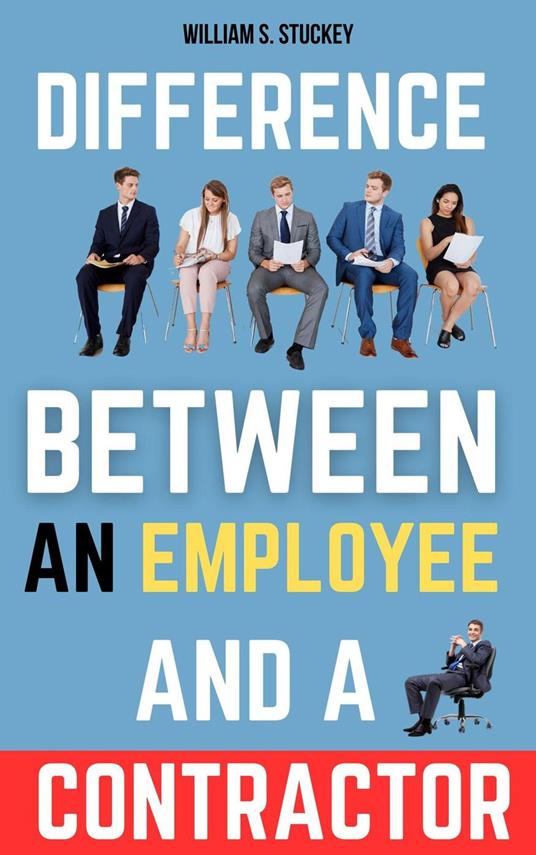
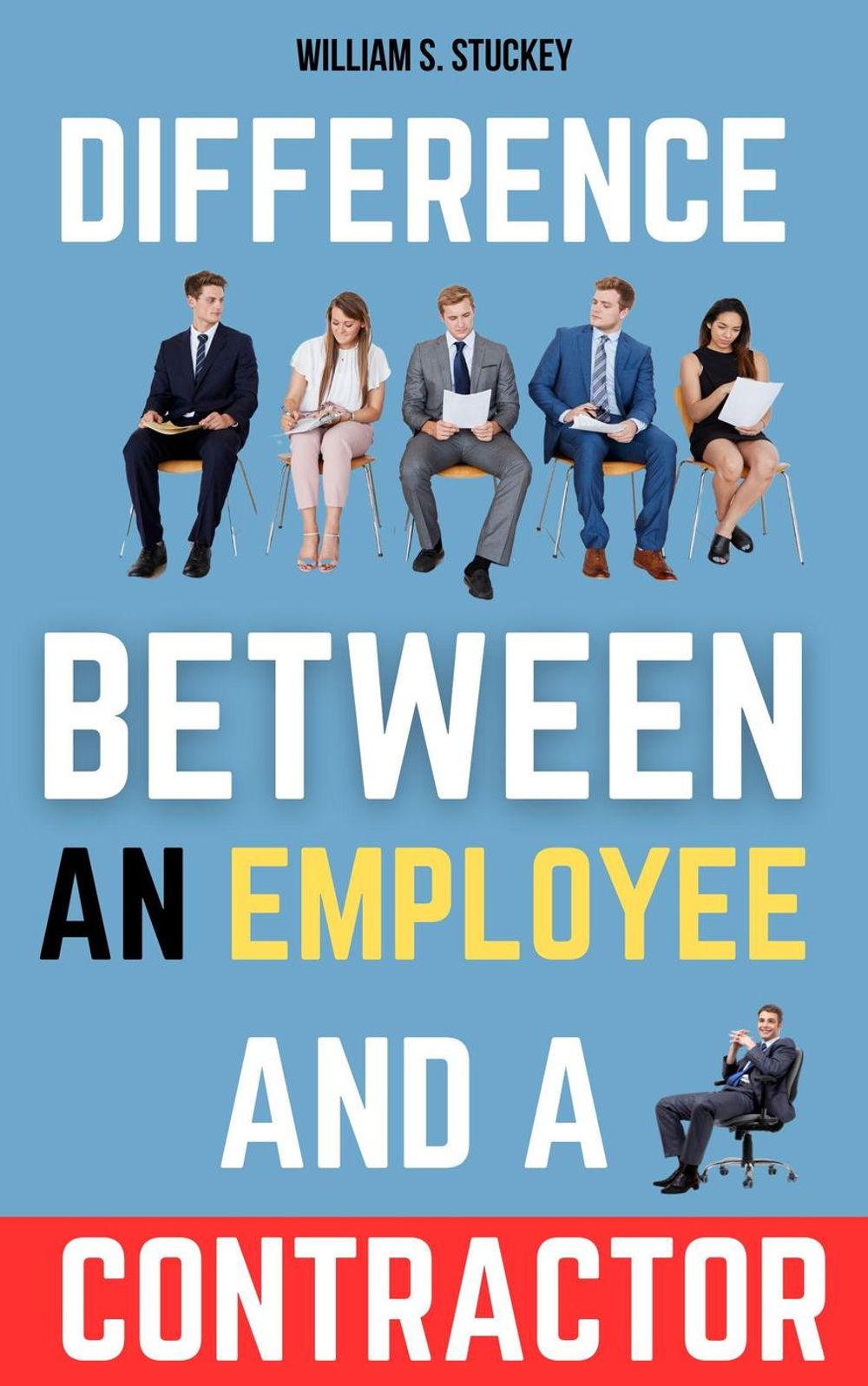
Every professional faces a moment when they must decide how they want to shape their career. It is not just a question of what job to take but how to define the terms of engagement. The difference between being an employee and working as a contractor is not simply a legal or financial technicality—it is a fundamental choice about control, responsibility, and long-term career strategy. This decision affects income, stability, benefits, taxes, and personal freedom. Many professionals misunderstand the real implications of each path and often choose without fully considering the advantages and trade-offs. The labor market is evolving, and companies are becoming more strategic about how they engage workers. Businesses structure their workforce differently depending on their operational needs, legal requirements, and financial goals. Some roles are best suited for traditional employment, while others align better with contractual arrangements. The challenge is that these distinctions are not always clear, and professionals often find themselves in gray areas, unsure of what they are legally entitled to, what risks they bear, and what they can expect in terms of career growth. Employment is the traditional model, where a worker commits to a company in exchange for a salary, benefits, and a sense of security. Employers dictate schedules, assign tasks, and oversee productivity. The stability of employment comes with responsibilities such as compliance with company policies, hierarchy, and a structured work environment. Employees have access to benefits like paid leave, retirement contributions, and insurance. However, they often sacrifice autonomy and income flexibility in exchange for these perks. Contractors operate on a different model. They work with businesses but do not belong to them. A contractor is a service provider, not a member of the company's internal structure. This independence allows them to negotiate pay, choose projects, and work on their terms. But with independence comes responsibility—handling taxes, securing clients, and managing their professional future without an employer's support. Some thrive in this model, while others find it overwhelming. Understanding the difference between these two paths is not just about definitions—it is about making informed career decisions. Many professionals unknowingly take on contractual work under conditions that resemble employment but without the protections employees enjoy. Others enter traditional employment expecting freedom they do not actually have. The misalignment of expectations leads to frustration, financial struggles, and in some cases, legal disputes. The tax system does not view employees and contractors the same way. Employees have taxes deducted from their pay before they even receive it, ensuring compliance with government regulations. Contractors, on the other hand, must calculate and pay their own taxes, often dealing with quarterly filings and potential penalties for mismanagement. This difference can mean financial advantages for those who plan well and costly mistakes for those who do not.
Leggi di più
Leggi di meno
Autore:
Anno edizione:
2025
Editore:
Formato:
Lingua:
Inglese
Compatibilità:
Tutti i dispositivi (eccetto Kindle) Scopri di più
Layout:
Reflowable
EAN:
9798227650481

L'articolo è stato aggiunto al carrello
Formato:
Gli eBook venduti da IBS.it sono in formato ePub e possono essere protetti da Adobe DRM. In caso di download di un file protetto da DRM si otterrà un file in formato .acs, (Adobe Content Server Message), che dovrà essere aperto tramite Adobe Digital Editions e autorizzato tramite un account Adobe, prima di poter essere letto su pc o trasferito su dispositivi compatibili.
Cloud:
Gli eBook venduti da IBS.it sono sincronizzati automaticamente su tutti i client di lettura Kobo successivamente all’acquisto. Grazie al Cloud Kobo i progressi di lettura, le note, le evidenziazioni vengono salvati e sincronizzati automaticamente su tutti i dispositivi e le APP di lettura Kobo utilizzati per la lettura.
Clicca qui per sapere come scaricare gli ebook utilizzando un pc con sistema operativo Windows
L’articolo è stato aggiunto alla lista dei desideri
