

L’articolo è stato aggiunto alla lista dei desideri








LIBRO INGLESE
 E-mail
 Facebook
 LinkedIn
 Twitter
 WhatsApp
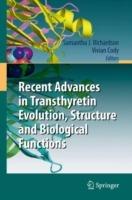
Recent Advances in Transthyretin Evolution, Structure and Biological Functions
(0)
Cliccando su “Conferma” dichiari che il contenuto da te inserito è conforme alle Condizioni Generali d’Uso del Sito ed alle Linee Guida sui Contenuti Vietati. Puoi rileggere e modificare e successivamente confermare il tuo contenuto. Tra poche ore lo troverai online (in caso contrario verifica la conformità del contenuto alle policy del Sito).
Grazie per la tua recensione!
Tra poche ore la vedrai online (in caso contrario verifica la conformità del testo alle nostre linee guida). Dopo la pubblicazione per te +4 punti 

304,80 €
+3050
punti 
Venditore: IBS
Articolo acquistabile con Carta del Docente

Articolo acquistabile con Carta Cultura Giovani e Carta del Merito

Articolo acquistabile con Carta della Cultura

Paga con Klarna in 3 rate senza interessi per ordini superiori a 39 €

Dati e Statistiche
 Salvato in 0 liste dei desideri
Salvato in 0 liste dei desideri
Recent Advances in Transthyretin Evolution, Structure and Biological Functions
Disponibilità in 2 settimane
304,80 €
304,80 €
Disponibilità in 2 settimane
Altre offerte vendute e spedite dai nostri venditori
Libri in Inglese
Recent Advances in Transthyretin Evolution, Structure and Biological Functions
Altri venditori
Prezzo e spese di spedizione
Nuovo
Disponibilità in 2 settimane

Venduto e spedito da
IBS
Spedizione Gratis
304,80 €
Altri venditori
Prezzo e spese di spedizione
Nuovo
Disponibilità in 2 settimane
Venduto e spedito da
IBS
Spedizione Gratis
304,80 €
Altri venditori
Prezzo e spese di spedizione

Tutti i formati ed edizioni
Promo attive (1)
Since its ?rst description in 1942 in both serum and cerebrospinal ?uid, transthyretin (TTR) has had an eventful history, including changes in name from “prealbumin” to “thyroxine-binding prealbumin” to “transthyretin” as knowledge increased about its functions. TTR is synthesised in a wide range of tissues in humans and other eutherian mammals: the liver, choroid plexus (blood- cerebrospinal ?uid barrier), retinal pigment epithelium of the eye, pancreas, intestine and meninges. However, its sites of synthesis are more restricted in other vertebrates. This implies that the number of tissues synthesising TTR during vertebrate evolution has increased, and raises questions about the selection pressures governing TTR synthesis. TTR is most widely known as a distributor of thyroid hormones. In addition, TTR binds retinol-binding protein, which binds retinol. In this way, TTR is also involved with retinoid distribution. More recently, TTR has been demonstrated to bind a wide variety of endocrine disruptors including drugs, pollutants, industrial compounds, heavy metals, and some naturally occurring plant ?avonoids. These not only interfere with thyroid hormone delivery in the body, but also transport such endocrine disruptors into the brain, where they have the potential to accumulate.
Leggi di più
Leggi di meno
Curatore:
Anno:
2009
Rilegatura:
Hardback
Pagine:
362 p.
Testo in English
Dimensioni:
235 x 155 mm
EAN:
9783642006456

L'articolo è stato aggiunto al carrello
Informazioni e Contatti sulla Sicurezza dei Prodotti
Le schede prodotto sono aggiornate in conformità al Regolamento UE 988/2023. Laddove ci fossero taluni dati non disponibili per ragioni indipendenti da IBS, vi informiamo che stiamo compiendo ogni ragionevole sforzo per inserirli. Vi invitiamo a controllare periodicamente il sito www.ibs.it per eventuali novità e aggiornamenti.
Per le vendite di prodotti da terze parti, ciascun venditore si assume la piena e diretta responsabilità per la commercializzazione del prodotto e per la sua conformità al Regolamento UE 988/2023, nonché alle normative nazionali ed europee vigenti.
Per informazioni sulla sicurezza dei prodotti, contattare productsafetyibs@feltrinelli.it
L’articolo è stato aggiunto alla lista dei desideri
