

L’articolo è stato aggiunto alla lista dei desideri









EBOOK IN LINGUA STRANIERA
 E-mail
 Facebook
 LinkedIn
 Twitter
 WhatsApp
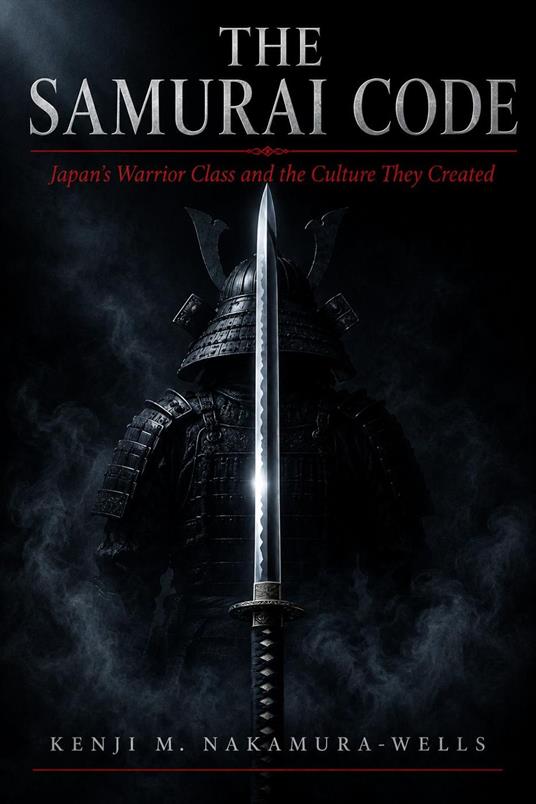
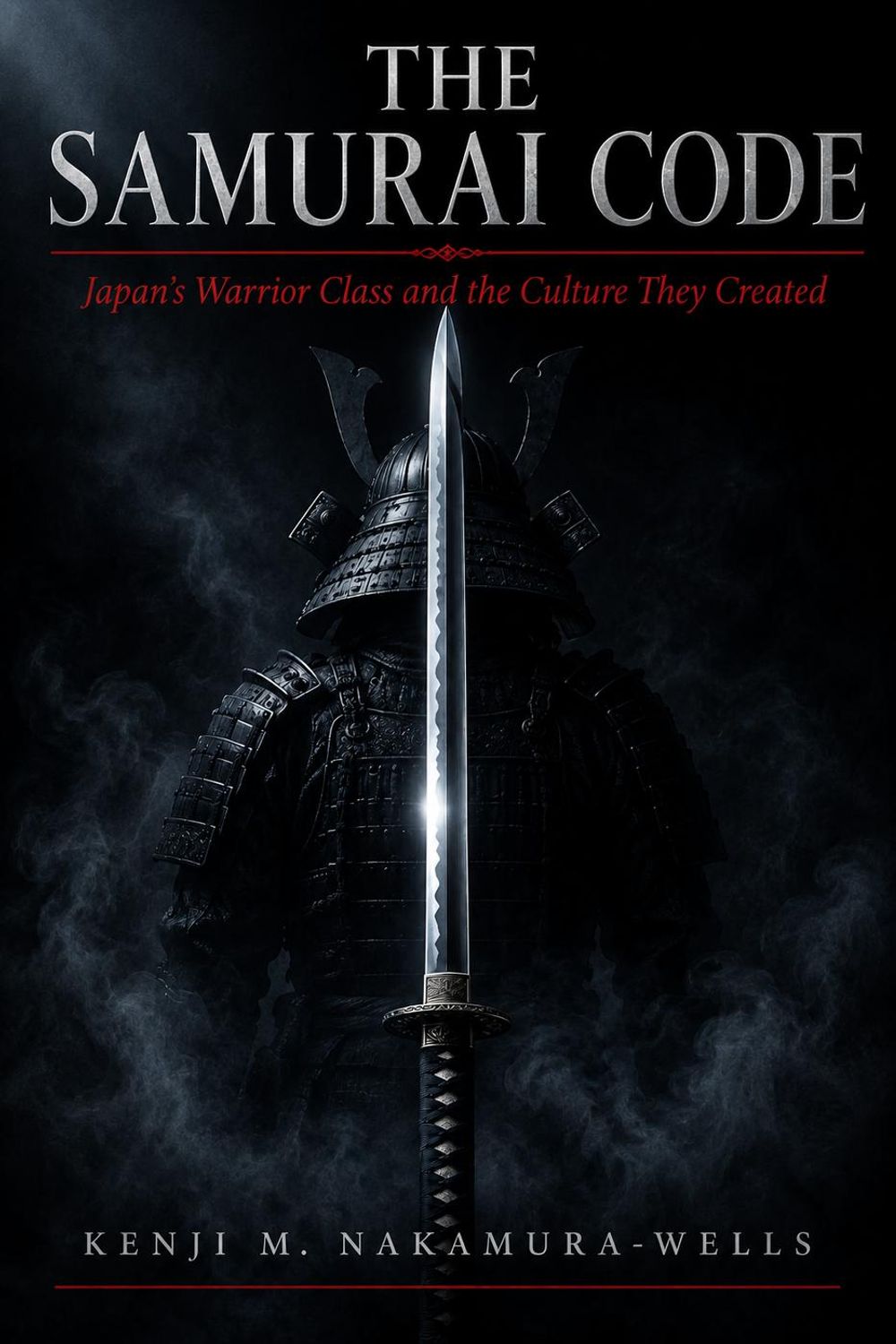
The Samurai Code: Japan’s Warrior Class and the Culture They Created
(0)
Cliccando su “Conferma” dichiari che il contenuto da te inserito è conforme alle Condizioni Generali d’Uso del Sito ed alle Linee Guida sui Contenuti Vietati. Puoi rileggere e modificare e successivamente confermare il tuo contenuto. Tra poche ore lo troverai online (in caso contrario verifica la conformità del contenuto alle policy del Sito).
Grazie per la tua recensione!
Tra poche ore la vedrai online (in caso contrario verifica la conformità del testo alle nostre linee guida). Dopo la pubblicazione per te +4 punti 
8,99 €
+90
punti 
Venditore: IBS

Acquista online
Scaricabile subito
Articolo acquistabile con Carta del Docente

Articolo acquistabile con Carta Cultura Giovani e Carta del Merito

Articolo acquistabile con Carta della Cultura

Abbonati a Kobo plus per avere accesso illimitato a questo contenuto

Dati e Statistiche
 Salvato in 0 liste dei desideri
Salvato in 0 liste dei desideri
The Samurai Code: Japan’s Warrior Class and the Culture They Created
Scaricabile subito
8,99 €
8,99 €
Scaricabile subito
Altre offerte vendute e spedite dai nostri venditori
Ebook in lingua straniera
The Samurai Code: Japan’s Warrior Class and the Culture They Created
Altri venditori
Prezzo e spese di spedizione
Nuovo
Scaricabile subito

Venduto e spedito da
IBS
Spedizione Gratis
8,99 €
Altri venditori
Prezzo e spese di spedizione
Nuovo
Scaricabile subito
Venduto e spedito da
IBS
Spedizione Gratis
8,99 €
Altri venditori
Prezzo e spese di spedizione

Tutti i formati ed edizioni
Promo attive (0)
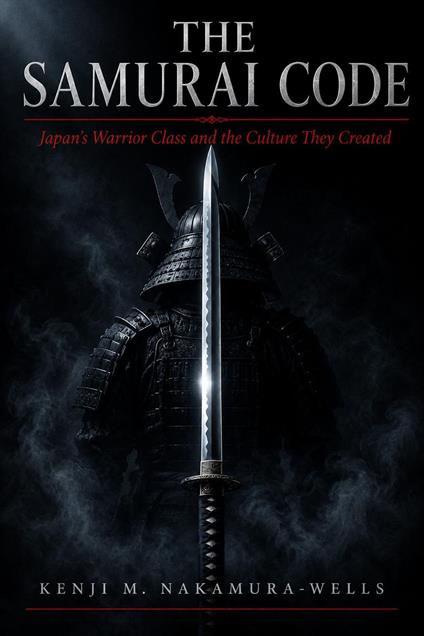
The Samurai Code: Japan’s Warrior Class and the Culture They Created
The Samurai Code: Japan's Warrior Class and the Culture They Created by Kenji M. Nakamura-Wells They were not who you think they were. The samurai of popular imagination, serene and philosophically untouchable, moving through a world of honor and cherry blossoms, is a story that was invented long after the real men and women had already bled, calculated, betrayed, and built something extraordinary. This book is about those real people. And the truth is more compelling than the legend has ever been. Kenji M. Nakamura-Wells has spent years inside the archives, the armor halls, and the philosophical texts of Japan's warrior tradition, and what he found there was not a simple story of noble fighters living by a timeless code. What he found was a civilization in the making, brutal and refined in equal measure, producing some of history's most ruthless military strategists alongside some of its most sensitive poets, and doing so within the same person, often on the same day. The Samurai Code moves through twelve centuries without once losing its pulse. It begins in the perfumed corridors of Heian-period Kyoto, where an aristocracy so devoted to aesthetic refinement that it classified autumn leaves by forty separate shades of red quietly handed the actual power of the country to a class of professional fighters it privately despised. It traces what happened next, in detail and at speed, through the catastrophic civil war between the Taira and the Minamoto, through the extraordinary century and a half of the Sengoku period when Japan shook itself apart and three of the most singular military minds in world history, Nobunaga, Hideyoshi, and Ieyasu, put it back together in a completely new shape. Along the way, this book does something that most histories of Japan do not. It takes seriously the people who are usually footnotes. Tomoe Gozen, who rode into the final battle of her lord's life and cut off an enemy's head before riding away, because he asked her to. Hojo Masako, the Nun Shogun, who outlived her husband, her children, and most of her political generation while quietly running the government the whole time. The forty-seven ronin, who spent two years pretending to be broken men so that they could avenge their lord's death with the patience and precision of people who understood that honor sometimes requires a very long game. The philosophy is here too, handled without the reverence that usually makes it unreadable. Bushido was not ancient. It was constructed, layer by layer, by writers and warriors and politicians who each had their own reasons for shaping it the way they did. By the time Inazo Nitobe presented it to the Western world in 1900 as the soul of Japan, it had already been through several reinventions, and the most dangerous one was still coming. This book does not flinch from that danger. The same tradition that produced the tea ceremony and the death poem also produced the ideology that sent young men to die in aircraft packed with explosives. Understanding how one grew from the other is not a comfortable exercise, but it is a necessary one, and Nakamura-Wells guides readers through it with the clarity of someone who respects both the tradition and the truth about it. By the final pages, something unexpected happens. The samurai world is gone beyond any possibility of return. The swords are in museums. The castles are tourist sites. The lord-retainer relationship is a corporate org chart at best. And yet the questions that world spent seven centuries asking, about discipline and mortality, about what makes a human life worth the living of it, about how to be fully present in the one existence you are given, feel not like relics but like the most urgent questions of the present moment. Read this book and you will never see a sword the same way again. You may not see yourself the same way either.
Leggi di più
Leggi di meno
Autore:
Anno edizione:
2026
Editore:
Formato:
Lingua:
Inglese
Compatibilità:
Tutti i dispositivi (eccetto Kindle) Scopri di più
Layout:
Reflowable
EAN:
9798235600751

L'articolo è stato aggiunto al carrello
Formato:
Gli eBook venduti da IBS.it sono in formato ePub e possono essere protetti da Adobe DRM. In caso di download di un file protetto da DRM si otterrà un file in formato .acs, (Adobe Content Server Message), che dovrà essere aperto tramite Adobe Digital Editions e autorizzato tramite un account Adobe, prima di poter essere letto su pc o trasferito su dispositivi compatibili.
Cloud:
Gli eBook venduti da IBS.it sono sincronizzati automaticamente su tutti i client di lettura Kobo successivamente all’acquisto. Grazie al Cloud Kobo i progressi di lettura, le note, le evidenziazioni vengono salvati e sincronizzati automaticamente su tutti i dispositivi e le APP di lettura Kobo utilizzati per la lettura.
Clicca qui per sapere come scaricare gli ebook utilizzando un pc con sistema operativo Windows
L’articolo è stato aggiunto alla lista dei desideri
