

L’articolo è stato aggiunto alla lista dei desideri








LIBRO INGLESE
 E-mail
 Facebook
 LinkedIn
 Twitter
 WhatsApp
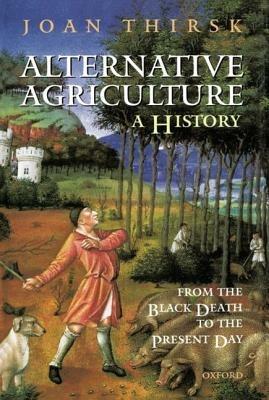
Alternative Agriculture: A History: From the Black Death to the Present Day
(0)
Cliccando su “Conferma” dichiari che il contenuto da te inserito è conforme alle Condizioni Generali d’Uso del Sito ed alle Linee Guida sui Contenuti Vietati. Puoi rileggere e modificare e successivamente confermare il tuo contenuto. Tra poche ore lo troverai online (in caso contrario verifica la conformità del contenuto alle policy del Sito).
Grazie per la tua recensione!
Tra poche ore la vedrai online (in caso contrario verifica la conformità del testo alle nostre linee guida). Dopo la pubblicazione per te +4 punti 
207,00 €
+2070
punti 
Venditore: IBS
Articolo acquistabile con Carta del Docente

Articolo acquistabile con Carta Cultura Giovani e Carta del Merito

Paga con Klarna in 3 rate senza interessi per ordini superiori a 39 €

Dati e Statistiche
 Salvato in 0 liste dei desideri
Salvato in 0 liste dei desideri
Alternative Agriculture: A History: From the Black Death to the Present Day
Disponibilità in 2 settimane
207,00 €
207,00 €
Disponibilità in 2 settimane
Altre offerte vendute e spedite dai nostri venditori
Libri in Inglese
Alternative Agriculture: A History: From the Black Death to the Present Day
Altri venditori
Prezzo e spese di spedizione

Nuovo
 disponibilità in 2 settimane
 Venduto e spedito da
IBS
Venduto e spedito da
IBS
disponibilità in 2 settimane
Spedizione Gratis
207,00 €
Altri venditori
Prezzo e spese di spedizione
Nuovo
disponibilità in 2 settimane
Venduto e spedito da
IBS
disponibilità in 2 settimane
Spedizione Gratis
207,00 €
Altri venditori
Prezzo e spese di spedizione

Tutti i formati ed edizioni
Promo attive (0)
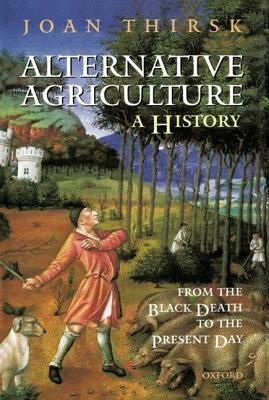
People like to believe in a past golden age of `traditional' English countryside, before large farms, machinery, and the destruction of hedgerows changed the landscape forever. However, that countryside may have looked both more and less familiar than we imagine. Take, for example, today's startling yellow fields of rapeseed, seemingly more suited to the landscape of Van Gogh than Constable. They were in fact, thoroughly familiar to fieldworkers in seventeenth-century England. At the same time, some features that would have gone unremarked in the past now seem like oddities. In the fifteenth century, rabbits were reared in specially guarded warrens as luxury food for rich men's tables; whilst houses had moats not only to defence but to provide a source of fresh fish. In the 1500s we find Catherine of Aragon introducing the concept of fresh salad to the court of Henry VIII; and in the 1600s, artichoke gardens became a fashion of the gentry in their hope of producing more male heirs. The common tomato, suspected of being poisonous in 1837, was transformed into a household vegetable by the end of the nineteenth century, thanks to cheaper glass-making methods and the resulting increase in glasshouses. In addition to these fascinating images of past lives, Joan Thirsk reveals how the forces which drive our current interest in alternative forms of agriculture - a glut of mainstream meat and cereal crops; changing patterns of diet; the needs of medicine - have striking parallels with earlier periods of our history. She warns us that today's decisions should not be made in a historical vacuum. We can still find solutions to today's problems in the hard-won experience of people in the past.
Leggi di più
Leggi di meno
Testo in English
Dimensioni:
243 x 164 mm
Peso:
734 gr.
EAN:
9780198206620
L'articolo è stato aggiunto al carrello
Informazioni e Contatti sulla Sicurezza dei Prodotti
Le schede prodotto sono aggiornate in conformità al Regolamento UE 988/2023. Laddove ci fossero taluni dati non disponibili per ragioni indipendenti da IBS, vi informiamo che stiamo compiendo ogni ragionevole sforzo per inserirli. Vi invitiamo a controllare periodicamente il sito www.ibs.it per eventuali novità e aggiornamenti.
Per le vendite di prodotti da terze parti, ciascun venditore si assume la piena e diretta responsabilità per la commercializzazione del prodotto e per la sua conformità al Regolamento UE 988/2023, nonché alle normative nazionali ed europee vigenti.
Per informazioni sulla sicurezza dei prodotti, contattare productsafetyibs@feltrinelli.it
L’articolo è stato aggiunto alla lista dei desideri
