

L’articolo è stato aggiunto alla lista dei desideri









LIBRO INGLESE
 E-mail
 Facebook
 LinkedIn
 Twitter
 WhatsApp
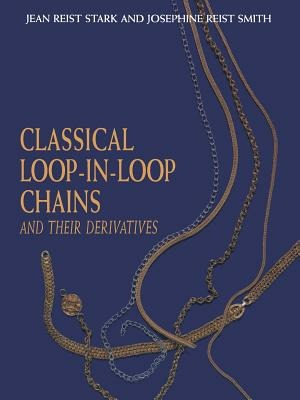
Classical Loop-in-Loop Chains: And Their Derivatives
(0)
Cliccando su “Conferma” dichiari che il contenuto da te inserito è conforme alle Condizioni Generali d’Uso del Sito ed alle Linee Guida sui Contenuti Vietati. Puoi rileggere e modificare e successivamente confermare il tuo contenuto. Tra poche ore lo troverai online (in caso contrario verifica la conformità del contenuto alle policy del Sito).
Grazie per la tua recensione!
Tra poche ore la vedrai online (in caso contrario verifica la conformità del testo alle nostre linee guida). Dopo la pubblicazione per te +4 punti 
137,30 €
+1370
punti 
Venditore: IBS
Articolo acquistabile con Carta del Docente

Articolo acquistabile con Carta Cultura Giovani e Carta del Merito

Articolo acquistabile con Carta della Cultura

Paga con Klarna in 3 rate senza interessi per ordini superiori a 39 €

Dati e Statistiche
 Salvato in 0 liste dei desideri
Salvato in 0 liste dei desideri
Classical Loop-in-Loop Chains: And Their Derivatives
Disponibilità in 2 settimane
137,30 €
137,30 €
Disponibilità in 2 settimane
Altre offerte vendute e spedite dai nostri venditori

Libri in Inglese
Classical Loop-in-Loop Chains: And Their Derivatives
Altri venditori
Prezzo e spese di spedizione
LIBRO INGLESE
Disponibilità in 2 settimane

Venduto e spedito da
IBS
Spedizione Gratis
137,30 €
Altri venditori
Prezzo e spese di spedizione
LIBRO INGLESE
Disponibilità in 2 settimane
Venduto e spedito da
IBS
Spedizione Gratis
137,30 €
Altri venditori
Prezzo e spese di spedizione

Tutti i formati ed edizioni

Promo attive (0)
ThiS is not only a book of instruction in chainmaking but it is also a work celebrating man's continuous creativity over thousands of years. At times something that man creates has far-reach ing effects; an example that quickly comes to mind is the wheel, which has enabled many devel opments, from pottery to computers. At this point it is important to note that these same wheels could not have been made without metal tools. From early Neolithic times on gold was a favorite choice in the making of jewelry. During the Neolithic period these "shining stones," probably alluvial, were prized. Actually gold was cold worked as if it were a stone. There is a surviving example of cold-worked gold from Catahuyuk (present day Turkey) estimated to have been made in 6500 B. C. There were only four metals on the earth's surface that were found in sufficient quantity to be used: gold, copper, silver, and meteoric iron. An understanding of the malleability of gold, and of the annealing effect of fire, changed jewelry making; new forms were found. Gold was no longer a piece of stone but a material that could be flattened and made very thin. Sheet and foil are the oldest forms of worked gold. The smiths' tools were stone, wood, and horn.
Leggi di più
Leggi di meno
Autore:
Editore:
Anno:
1997
Rilegatura:
Paperback / softback
Pagine:
190 p.
Testo in English
Dimensioni:
279 x 210 mm
EAN:
9780412078811

L'articolo è stato aggiunto al carrello
Informazioni e Contatti sulla Sicurezza dei Prodotti
Le schede prodotto sono aggiornate in conformità al Regolamento UE 988/2023. Laddove ci fossero taluni dati non disponibili per ragioni indipendenti da IBS, vi informiamo che stiamo compiendo ogni ragionevole sforzo per inserirli. Vi invitiamo a controllare periodicamente il sito www.ibs.it per eventuali novità e aggiornamenti.
Per le vendite di prodotti da terze parti, ciascun venditore si assume la piena e diretta responsabilità per la commercializzazione del prodotto e per la sua conformità al Regolamento UE 988/2023, nonché alle normative nazionali ed europee vigenti.
Per informazioni sulla sicurezza dei prodotti, contattare productsafetyibs@feltrinelli.it
L’articolo è stato aggiunto alla lista dei desideri
