

L’articolo è stato aggiunto alla lista dei desideri









EBOOK IN LINGUA STRANIERA
 E-mail
 Facebook
 LinkedIn
 Twitter
 WhatsApp
Containing Nature
(0)
Cliccando su “Conferma” dichiari che il contenuto da te inserito è conforme alle Condizioni Generali d’Uso del Sito ed alle Linee Guida sui Contenuti Vietati. Puoi rileggere e modificare e successivamente confermare il tuo contenuto. Tra poche ore lo troverai online (in caso contrario verifica la conformità del contenuto alle policy del Sito).
Grazie per la tua recensione!
Tra poche ore la vedrai online (in caso contrario verifica la conformità del testo alle nostre linee guida). Dopo la pubblicazione per te +4 punti 
79,55 €
+800
punti 
Venditore: IBS

Acquista online
Scaricabile subito
Articolo acquistabile con Carta del Docente

Articolo acquistabile con Carta Cultura Giovani e Carta del Merito

Articolo acquistabile con Carta della Cultura

Dati e Statistiche
 Salvato in 0 liste dei desideri
Salvato in 0 liste dei desideri
Containing Nature
Scaricabile subito
79,55 €
79,55 €
Scaricabile subito
Altre offerte vendute e spedite dai nostri venditori

Ebook in lingua straniera
Containing Nature
Altri venditori
Prezzo e spese di spedizione
Nuovo
Scaricabile subito

Venduto e spedito da
IBS
Spedizione Gratis
79,55 €
Altri venditori
Prezzo e spese di spedizione
Nuovo
Scaricabile subito
Venduto e spedito da
IBS
Spedizione Gratis
79,55 €
Altri venditori
Prezzo e spese di spedizione

Tutti i formati ed edizioni
Promo attive (0)
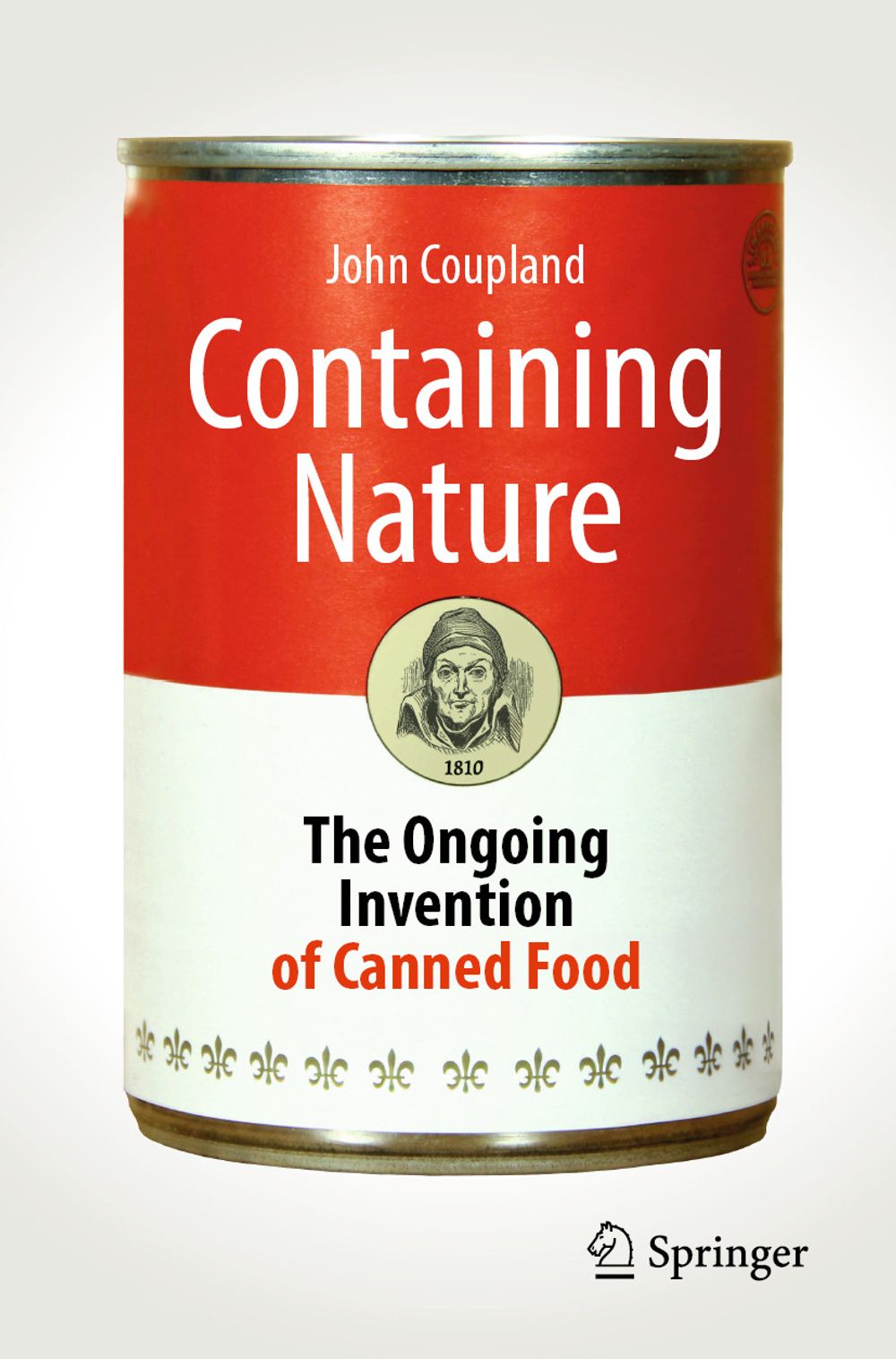
Nicolas Appert invented canned food in Paris in 1810 and is celebrated as the founder of modern food processing and the field of food science, but does he deserve the recognition? Appert was no scientist and the “cans” he made by a process of trial and error were expensive glass bottles with corks held in place with twisted wire. Reliable, affordable, modern canning depends on the accumulation of small improvements made by the generations of innovators who followed and whose names are largely forgotten. Containing Nature uses the histories of the science and technology of canning to show how the ways we understand and shape the world evolve. The story follows Appert’s cans from Paris to London, where engineers built a business supplying the British Navy, and then to America, where small innovations made canning faster and cheaper. But cans alone aren’t enough — the stories of salmon in the Pacific Northwest and soup in New Jersey show how canning must adapt to the nature of the food, labor conditions, and consumer demands. Meanwhile, the science of canning lagged behind the technology. Enlightenment-era paradigms led to mistakes only corrected decades later. An applied science of canning only emerged after the industry grew large enough for its needs to matter and groups of scientists were organized in campaigns to eliminate botulism and BPA. Containing Nature is valuable to anyone working in science and technology and interested in how their contributions, often individually unseen, collectively shape the world. Managing technology and labor for both large scale production of complex recipes as well as the annual tomato glut. Labor unions and management gurus. Canners must work with their consumers to make brands people will choose to buy. Chapter 7: The Early Science of Canning. Europe from about 1665 to 1870. The scientific ideas that will explain canning develop largely independently from the technology of food preservation. An incorrect chemical explanation of why canning works is eventually superseded by a better microbiological explanation - but without making any difference to the practice. How science changes its mind. Chapter 8: The Birth of a Science of Canning. Wisconsin and Massachusetts 1894-1902. A growing canning industry meets a new generation of academic scientists trained in microbiology and motivated to help. The scientists quickly translate their experience from other contexts and provide useful results which are disseminated by trade across the industry. The social and political frameworks needed for collaboration. Chapter 9: Botulism - The Applied Science of Canning. America from 1919 to the mid-1920s. Well-publicized cases of botulism from canned foods threaten the entire industry. Scientists from the National Canners Association collaborate with State and Federal governments and with university researchers in an organized research program to solve the problem. Science is used collaboratively by industry and government to guide regulation. Chapter 10: BPA - Conflicting Communities of Scientists. America at the turn of the 21st century. A community of environmental scientists identifies a novel risk from a component of can linings, and campaigns to get it banned. The limits of what we can know about risk. How the social networks of scientists shape their values and conclusions. Science and politics. Chapter 11: The Continuing Invention of Canned Food. What we can gain by recognizing the technologies that support us. Virtues of technology workers.
Leggi di più
Leggi di meno
Autore:
Anno edizione:
2026
Editore:
Formato:
Lingua:
Inglese
Compatibilità:
Tutti i dispositivi (eccetto Kindle) Scopri di più
Layout:
Reflowable
EAN:
9783032118820

L'articolo è stato aggiunto al carrello
Formato:
Gli eBook venduti da IBS.it sono in formato ePub e possono essere protetti da Adobe DRM. In caso di download di un file protetto da DRM si otterrà un file in formato .acs, (Adobe Content Server Message), che dovrà essere aperto tramite Adobe Digital Editions e autorizzato tramite un account Adobe, prima di poter essere letto su pc o trasferito su dispositivi compatibili.
Cloud:
Gli eBook venduti da IBS.it sono sincronizzati automaticamente su tutti i client di lettura Kobo successivamente all’acquisto. Grazie al Cloud Kobo i progressi di lettura, le note, le evidenziazioni vengono salvati e sincronizzati automaticamente su tutti i dispositivi e le APP di lettura Kobo utilizzati per la lettura.
Clicca qui per sapere come scaricare gli ebook utilizzando un pc con sistema operativo Windows
L’articolo è stato aggiunto alla lista dei desideri
