

L’articolo è stato aggiunto alla lista dei desideri









EBOOK IN LINGUA STRANIERA
 E-mail
 Facebook
 LinkedIn
 Twitter
 WhatsApp
Crisis and Continuity in Revolutionary Industrial Strategy
(0)
Cliccando su “Conferma” dichiari che il contenuto da te inserito è conforme alle Condizioni Generali d’Uso del Sito ed alle Linee Guida sui Contenuti Vietati. Puoi rileggere e modificare e successivamente confermare il tuo contenuto. Tra poche ore lo troverai online (in caso contrario verifica la conformità del contenuto alle policy del Sito).
Grazie per la tua recensione!
Tra poche ore la vedrai online (in caso contrario verifica la conformità del testo alle nostre linee guida). Dopo la pubblicazione per te +4 punti 
4,49 €
+40
punti 
Venditore: IBS

Acquista online
Scaricabile subito
Articolo acquistabile con Carta del Docente

Articolo acquistabile con Carta Cultura Giovani e Carta del Merito

Articolo acquistabile con Carta della Cultura

Abbonati a Kobo plus per avere accesso illimitato a questo contenuto

Dati e Statistiche
 Salvato in 0 liste dei desideri
Salvato in 0 liste dei desideri
Crisis and Continuity in Revolutionary Industrial Strategy
Scaricabile subito
4,49 €
4,49 €
Scaricabile subito
Altre offerte vendute e spedite dai nostri venditori
Ebook in lingua straniera
Crisis and Continuity in Revolutionary Industrial Strategy
Altri venditori
Prezzo e spese di spedizione
EBOOK INGLESE
EPUB3 con DRMFREE
Scaricabile subito

Venduto e spedito da
IBS
Spedizione Gratis
4,49 €
Altri venditori
Prezzo e spese di spedizione
EBOOK INGLESE
EPUB3 con DRMFREE
Scaricabile subito
Venduto e spedito da
IBS
Spedizione Gratis
4,49 €
Altri venditori
Prezzo e spese di spedizione

Tutti i formati ed edizioni
Promo attive (0)
Crisis and Continuity in Revolutionary Industrial Strategy
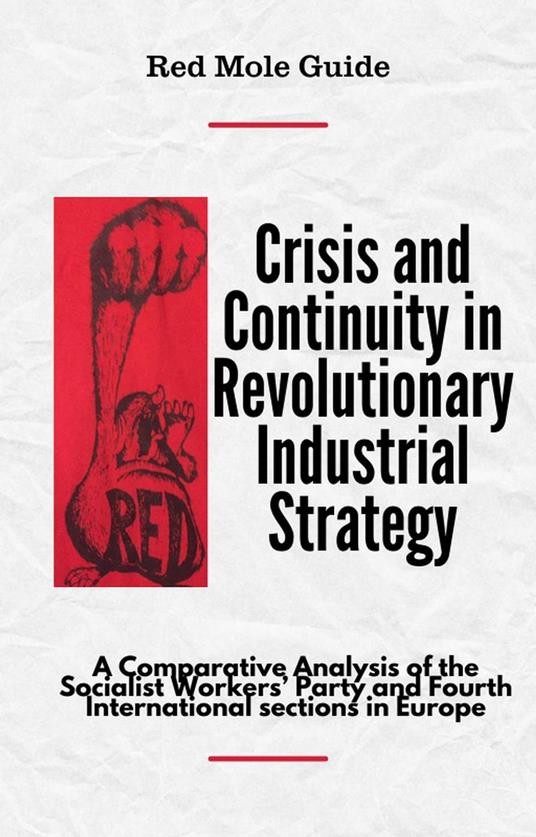
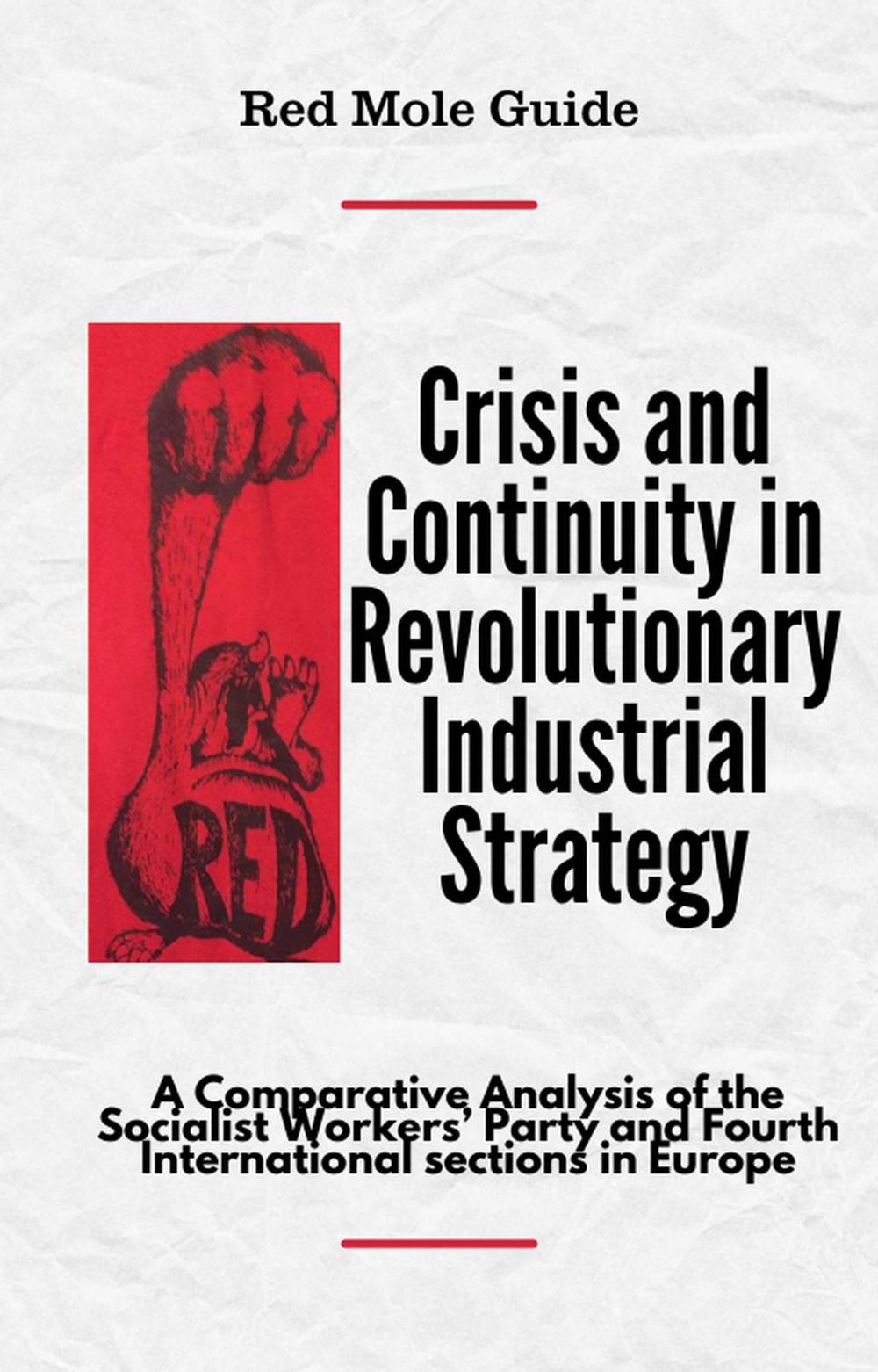
In 1979 British trade unions had 13.2 million members, and 29,474,000 working days were lost to strikes. A workplace survey the next year counted 328,000 shop stewards. By 2025, union density was 22.4 per cent, and nobody counts workplace representatives any more: the last survey was in 2011. What the revolutionary left did next is usually explained as a sequence. Rank-and-file organisation is what a rising level of struggle produces, so it cannot be built in a downturn, and revolutionaries must work instead through the structures that exist: the branch, the committee, the slate. This Guide calls that the downturn alibi, and shows it refuted inside the Socialist Workers Party's own founding documents. In autumn 1979 Tony Cliff described the Communist Party's Broad Left as a machine that won union elections by "placing the most minimal demand (the vote) on the stewards and branch committees", and listed its orientation to left officials among the causes of the decline. In 1983 he called it a swamp. A quarter of a century on, the British far left's industrial work runs through that very form. Twenty-six documents, in extract, let the reader test that. The rank-and-file strategy in its own words, in Steve Jefferys' balance sheet of 1975 and the Fourth International's Turin industrial conference of 1969. The downturn thesis at length, beside a Manchester factory occupation that built rank-and-file organisation in its worst year. Two cases where the tradition split on how to vote: the Teamsters, whose reform caucus outlived the president it elected, and Comisiones Obreras, where power was concentrated without a penny going missing. Then Britain, from the Liverpool dockers to the strike wave of 2022, and the same argument from Morocco, Genoa and Lisbon. The conclusion is not that union elections do not matter. It is that the fixed point is never the ballot but the assembly, and that a strategy which asks a member for a vote will get a vote. Cliff, Jefferys, Choonara, McIlroy, Conway, Tucker and Eidlin among others.
Leggi di più
Leggi di meno
Autore:
Anno edizione:
2026
Editore:
Formato:
Lingua:
Inglese
Compatibilità:
Tutti i dispositivi (eccetto Kindle) Scopri di più
Layout:
Reflowable
EAN:
9798233217036
L'articolo è stato aggiunto al carrello
Formato:
Gli eBook venduti da IBS.it sono in formato ePub e possono essere protetti da Adobe DRM. In caso di download di un file protetto da DRM si otterrà un file in formato .acs, (Adobe Content Server Message), che dovrà essere aperto tramite Adobe Digital Editions e autorizzato tramite un account Adobe, prima di poter essere letto su pc o trasferito su dispositivi compatibili.
Cloud:
Gli eBook venduti da IBS.it sono sincronizzati automaticamente su tutti i client di lettura Kobo successivamente all’acquisto. Grazie al Cloud Kobo i progressi di lettura, le note, le evidenziazioni vengono salvati e sincronizzati automaticamente su tutti i dispositivi e le APP di lettura Kobo utilizzati per la lettura.
Clicca qui per sapere come scaricare gli ebook utilizzando un pc con sistema operativo Windows
L’articolo è stato aggiunto alla lista dei desideri
