

L’articolo è stato aggiunto alla lista dei desideri









EBOOK IN LINGUA STRANIERA
 E-mail
 Facebook
 LinkedIn
 Twitter
 WhatsApp
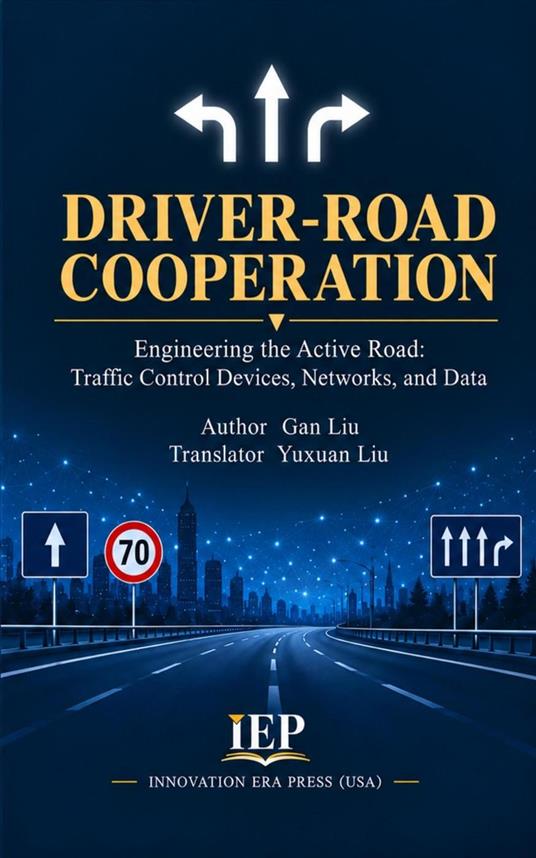
Driver–Road Cooperation: Engineering the Active Road: Traffic Control Devices, Networks, and Data
(0)
Cliccando su “Conferma” dichiari che il contenuto da te inserito è conforme alle Condizioni Generali d’Uso del Sito ed alle Linee Guida sui Contenuti Vietati. Puoi rileggere e modificare e successivamente confermare il tuo contenuto. Tra poche ore lo troverai online (in caso contrario verifica la conformità del contenuto alle policy del Sito).
Grazie per la tua recensione!
Tra poche ore la vedrai online (in caso contrario verifica la conformità del testo alle nostre linee guida). Dopo la pubblicazione per te +4 punti 
7,49 €
+70
punti 
Venditore: IBS

Acquista online
Scaricabile subito
Articolo acquistabile con Carta del Docente

Articolo acquistabile con Carta Cultura Giovani e Carta del Merito

Articolo acquistabile con Carta della Cultura

Abbonati a Kobo plus per avere accesso illimitato a questo contenuto

Dati e Statistiche
 Salvato in 0 liste dei desideri
Salvato in 0 liste dei desideri
Driver–Road Cooperation: Engineering the Active Road: Traffic Control Devices, Networks, and Data
Scaricabile subito
7,49 €
7,49 €
Scaricabile subito
Altre offerte vendute e spedite dai nostri venditori
Ebook in lingua straniera
Driver–Road Cooperation: Engineering the Active Road: Traffic Control Devices, Networks, and Data
Altri venditori
Prezzo e spese di spedizione
EBOOK INGLESE
EPUB2 con DRMFREE
Scaricabile subito

Venduto e spedito da
IBS
Spedizione Gratis
7,49 €
Altri venditori
Prezzo e spese di spedizione
EBOOK INGLESE
EPUB2 con DRMFREE
Scaricabile subito
Venduto e spedito da
IBS
Spedizione Gratis
7,49 €
Altri venditori
Prezzo e spese di spedizione

Tutti i formati ed edizioni
Promo attive (0)
Driver–Road Cooperation: Engineering the Active Road: Traffic Control Devices, Networks, and Data
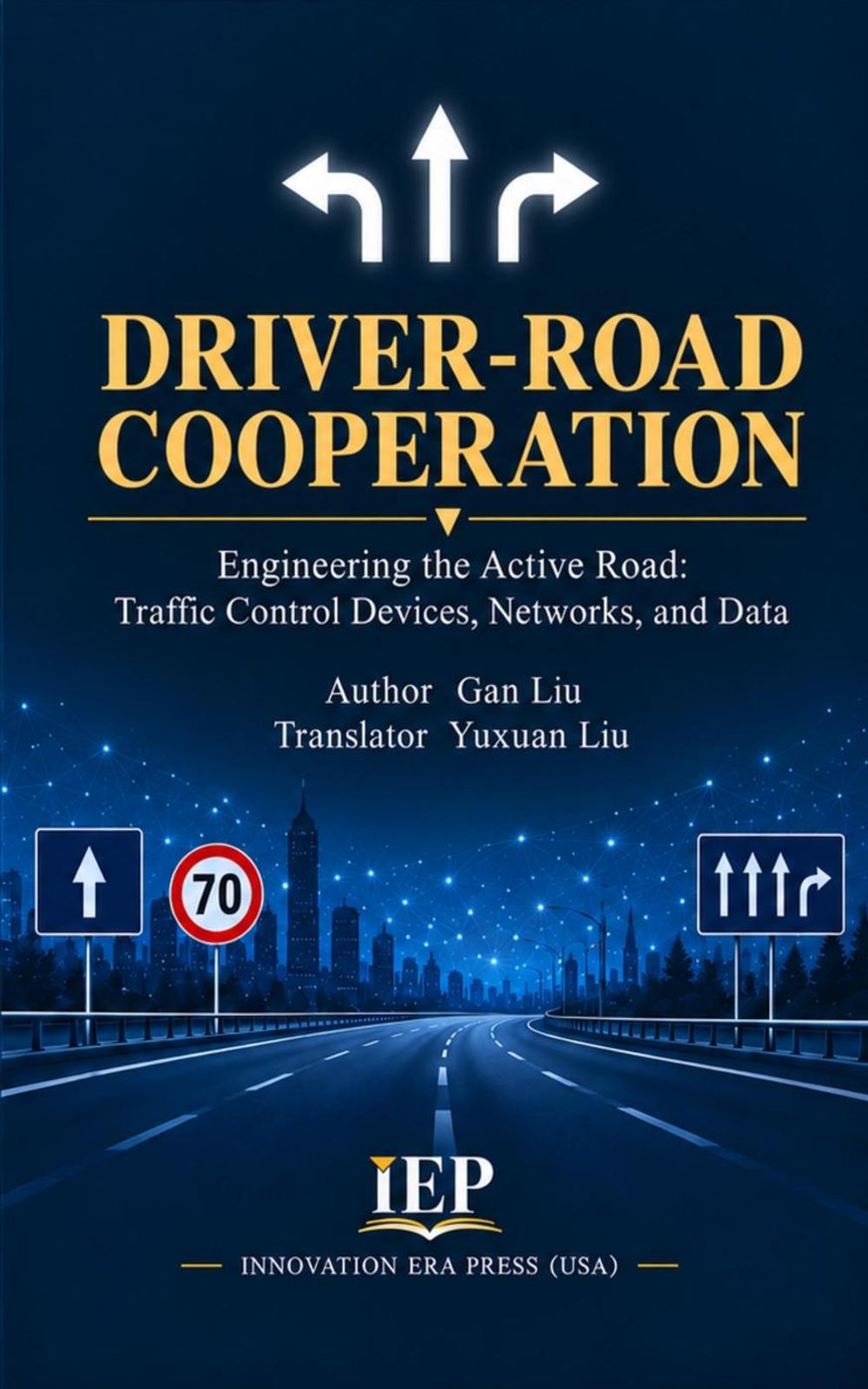
In the modern world, road traffic deaths represent one of the single largest categories of unnatural mortality long tolerated—and even accepted—as an inevitable cost of economic development. For decades, conventional Intelligent Transportation Systems (ITS) and emerging vehicle-to-everything (V2X) initiatives have fallen into a pervasive technical fallacy: defining roadway infrastructure merely as a passive, static physical carrier, while gambling all safety functions on inherently unstable wireless communication channels and pinning their hopes on automated driving completely supplanting human drivers. In Driver–Road Cooperation: Engineering the Active Road, the author adopts a global comparative perspective to rigorously demonstrate that roadway infrastructure ought to stand as a primary subject of traffic safety, and that engineering technology is fully capable of anchoring both function and liability. Within an open roadway ecosystem, infrastructure must no longer remain a mute physical support; it must become an active, legally accountable subject of active safety capable of real-time sensing and expression. Drawing on deep institutional and jurisprudential comparisons across the Commonwealth, the United States, Europe, China, and Japan, the author exposes the fatal flaw of the V2X paradigm: the overwhelming majority of fatal crashes worldwide involve roadway departures, impaired drivers, and vulnerable road users—such as pedestrians and cyclists—who carry no communication transceivers. A system predicated on road users carrying personal terminals structurally excludes from day one the very lives most in need of protection. To resolve this crisis, the treatise formulates an actionable and economically viable alternative tailored to open-road mixed-traffic realities where manual driving will persist for decades: Driver–Road Cooperation (DRC). Grounded in the foundational principle of "physical technology first, digital technology layered on top," it constructs an open four-layer architecture comprising Platform, Node, Facility, and Terminal. By transforming conventional traffic signs, markings, and signals into actively visible, functional, and verifiable digital assets, the roadway directly delivers instructions into the human line of sight, facilitates seamless road-information access for automated driving, and safely degrades during power and communication outages—preventing systemic blind spots. Crucially, the book bridges engineering and tort jurisprudence to show how retrievable facility operating logs will fundamentally reconstruct the judicial burden of proof, unburdening drivers from an infrastructural liability long misplaced upon their shoulders. Rigorous, incisive, and deeply humane, this work delivers an indispensable, forward-looking roadmap for transportation engineers, urban planners, policymakers, and legal practitioners worldwide seeking to reconcile life safety with systemic efficiency.
Leggi di più
Leggi di meno
Autore:
Anno edizione:
2026
Editore:
Formato:
Lingua:
Inglese
Compatibilità:
Tutti i dispositivi (eccetto Kindle) Scopri di più
Layout:
Reflowable
EAN:
9798950761225
L'articolo è stato aggiunto al carrello
Formato:
Gli eBook venduti da IBS.it sono in formato ePub e possono essere protetti da Adobe DRM. In caso di download di un file protetto da DRM si otterrà un file in formato .acs, (Adobe Content Server Message), che dovrà essere aperto tramite Adobe Digital Editions e autorizzato tramite un account Adobe, prima di poter essere letto su pc o trasferito su dispositivi compatibili.
Cloud:
Gli eBook venduti da IBS.it sono sincronizzati automaticamente su tutti i client di lettura Kobo successivamente all’acquisto. Grazie al Cloud Kobo i progressi di lettura, le note, le evidenziazioni vengono salvati e sincronizzati automaticamente su tutti i dispositivi e le APP di lettura Kobo utilizzati per la lettura.
Clicca qui per sapere come scaricare gli ebook utilizzando un pc con sistema operativo Windows
L’articolo è stato aggiunto alla lista dei desideri
