

L’articolo è stato aggiunto alla lista dei desideri









EBOOK IN LINGUA STRANIERA
 E-mail
 Facebook
 LinkedIn
 Twitter
 WhatsApp
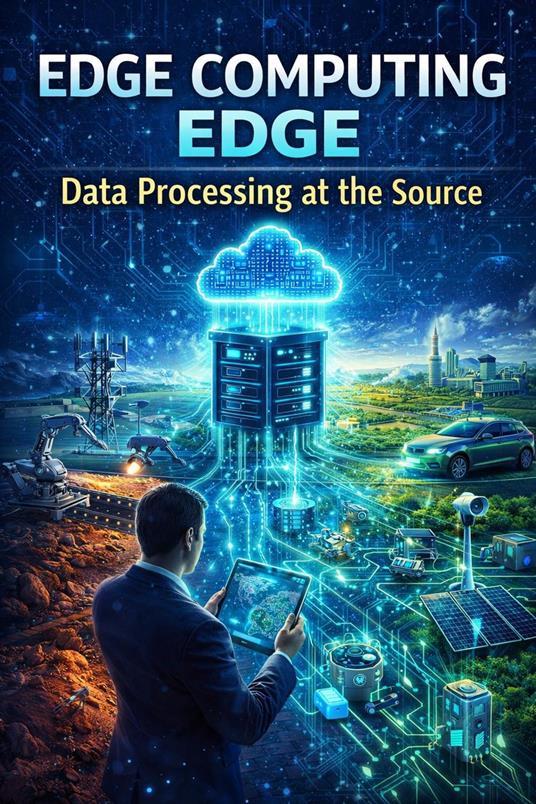
Edge Computing Edge: Data Processing at the Source
(0)
Cliccando su “Conferma” dichiari che il contenuto da te inserito è conforme alle Condizioni Generali d’Uso del Sito ed alle Linee Guida sui Contenuti Vietati. Puoi rileggere e modificare e successivamente confermare il tuo contenuto. Tra poche ore lo troverai online (in caso contrario verifica la conformità del contenuto alle policy del Sito).
Grazie per la tua recensione!
Tra poche ore la vedrai online (in caso contrario verifica la conformità del testo alle nostre linee guida). Dopo la pubblicazione per te +4 punti 
2,99 €
+30
punti 
Venditore: IBS

Acquista online
Scaricabile subito
Articolo acquistabile con Carta del Docente

Articolo acquistabile con Carta Cultura Giovani e Carta del Merito

Articolo acquistabile con Carta della Cultura

Abbonati a Kobo plus per avere accesso illimitato a questo contenuto

Dati e Statistiche
 Salvato in 0 liste dei desideri
Salvato in 0 liste dei desideri
Edge Computing Edge: Data Processing at the Source
Scaricabile subito
2,99 €
2,99 €
Scaricabile subito
Altre offerte vendute e spedite dai nostri venditori
Ebook in lingua straniera
Edge Computing Edge: Data Processing at the Source
Altri venditori
Prezzo e spese di spedizione
Nuovo
Scaricabile subito

Venduto e spedito da
IBS
Spedizione Gratis
2,99 €
Altri venditori
Prezzo e spese di spedizione
Nuovo
Scaricabile subito
Venduto e spedito da
IBS
Spedizione Gratis
2,99 €
Altri venditori
Prezzo e spese di spedizione

Tutti i formati ed edizioni
Promo attive (0)
Edge Computing Edge: Data Processing at the Source
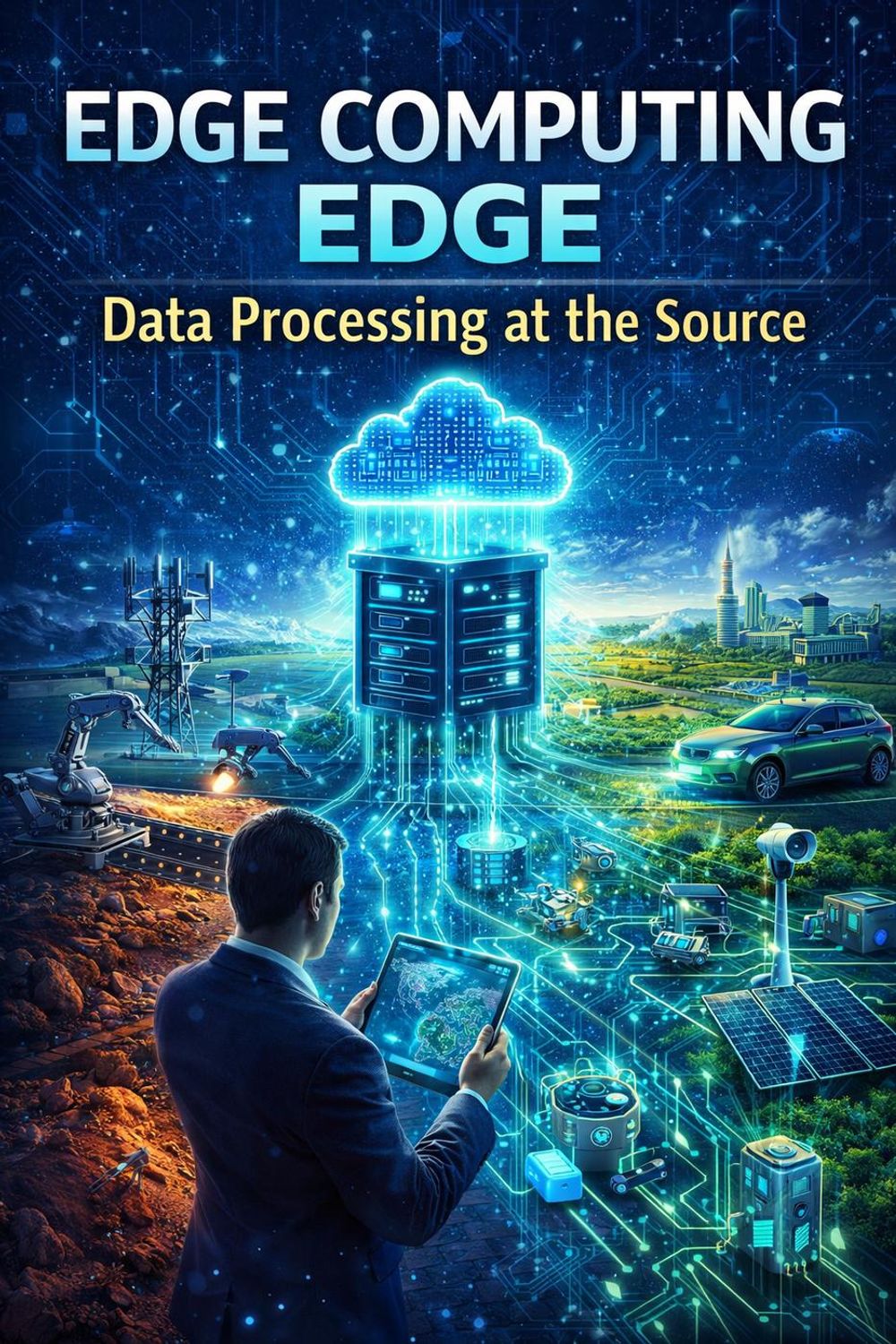
In an era defined by the relentless proliferation of connected devices, the explosion of real-time data, and the growing inadequacy of centralized computing architectures, Edge Computing Edge: Data Processing at the Source arrives as the definitive guide to the technology rewriting the geography of digital intelligence. This comprehensive and authoritative volume explores the transformative discipline of edge computing — the practice of processing data where it is generated, at the very source, rather than transmitting it across networks to distant cloud servers — and makes the compelling case that this architectural shift is not merely a technical refinement but a civilizational necessity. Written for technologists, business leaders, policymakers, and curious minds alike, this book traverses the full landscape of edge computing with equal measures of technical rigor and strategic clarity. Beginning with the foundational concepts that distinguish edge computing from cloud and fog paradigms, it builds systematically through the hardware components, software stacks, and network architectures that constitute edge infrastructure, before exploring the orchestration platforms, security frameworks, and data management disciplines that responsible edge deployment requires. The book's heart lies in its rich exploration of the industries and applications that edge computing is transforming. From hospital wards where real-time patient monitoring is saving lives, to factory floors where predictive intelligence is eliminating unplanned downtime, to smart cities where distributed sensors are optimizing traffic, energy, and public safety — the reader encounters, in vivid and concrete detail, the operational realities of edge computing deployed at scale. Chapters on precision agriculture, retail intelligence, pipeline monitoring, and telecommunications edge deployments demonstrate the remarkable breadth of edge computing's relevance across the full spectrum of human economic and social activity. Artificial intelligence at the edge receives dedicated and extensive treatment, with an authoritative examination of the distinction between cloud-based model training and edge-based inference, the emergence of TinyML for resource-constrained devices, the hardware accelerators enabling real-time AI in embedded systems, and the groundbreaking potential of federated learning to build smarter models without ever centralizing sensitive data. The book addresses security with unflinching honesty, examining the unique vulnerabilities of distributed edge environments and charting a practical path toward zero-trust architectures, hardware attestation, and regulatory compliance. The concluding chapters look forward with both analytical rigor and informed imagination, charting the trajectories of autonomous edge systems, spatial computing convergence, quantum edge processing, and the ethical imperatives that pervasive distributed intelligence demands. A strategic business chapter provides decision-makers with the total cost of ownership frameworks, competitive analysis, and vendor landscape knowledge necessary to translate edge computing's technical potential into organizational investment decisions. Edge Computing Edge: Data Processing at the Source is more than a technology book — it is a map of the future being built today, deployment by deployment, across every sector of human endeavor. For anyone seeking to understand, navigate, or shape the edge computing revolution, this volume is an indispensable companion — authoritative in its technical depth, expansive in its strategic vision, and urgent in its recognition that intelligence belongs where the world lives: at the edge.
Leggi di più
Leggi di meno
Autore:
Anno edizione:
2026
Editore:
Formato:
Lingua:
Inglese
Compatibilità:
Tutti i dispositivi (eccetto Kindle) Scopri di più
Layout:
Reflowable
EAN:
9798233316142

L'articolo è stato aggiunto al carrello
Formato:
Gli eBook venduti da IBS.it sono in formato ePub e possono essere protetti da Adobe DRM. In caso di download di un file protetto da DRM si otterrà un file in formato .acs, (Adobe Content Server Message), che dovrà essere aperto tramite Adobe Digital Editions e autorizzato tramite un account Adobe, prima di poter essere letto su pc o trasferito su dispositivi compatibili.
Cloud:
Gli eBook venduti da IBS.it sono sincronizzati automaticamente su tutti i client di lettura Kobo successivamente all’acquisto. Grazie al Cloud Kobo i progressi di lettura, le note, le evidenziazioni vengono salvati e sincronizzati automaticamente su tutti i dispositivi e le APP di lettura Kobo utilizzati per la lettura.
Clicca qui per sapere come scaricare gli ebook utilizzando un pc con sistema operativo Windows
L’articolo è stato aggiunto alla lista dei desideri
