

L’articolo è stato aggiunto alla lista dei desideri








LIBRO INGLESE
 E-mail
 Facebook
 LinkedIn
 Twitter
 WhatsApp
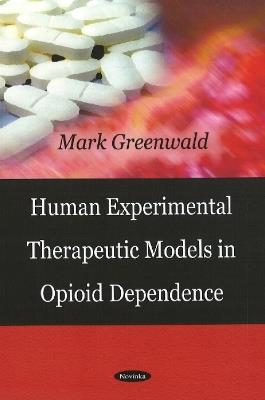
Human Experimental Therapeutic Models in Opioid Dependence
(0)
Cliccando su “Conferma” dichiari che il contenuto da te inserito è conforme alle Condizioni Generali d’Uso del Sito ed alle Linee Guida sui Contenuti Vietati. Puoi rileggere e modificare e successivamente confermare il tuo contenuto. Tra poche ore lo troverai online (in caso contrario verifica la conformità del contenuto alle policy del Sito).
Grazie per la tua recensione!
Tra poche ore la vedrai online (in caso contrario verifica la conformità del testo alle nostre linee guida). Dopo la pubblicazione per te +4 punti 

49,99 €
+500
punti 
Prezzo minimo ultimi 30 giorni: 47,49 €
Venditore: IBS
Articolo acquistabile con Carta del Docente

Articolo acquistabile con Carta Cultura Giovani e Carta del Merito

Articolo acquistabile con Carta della Cultura

Paga con Klarna in 3 rate senza interessi per ordini superiori a 39 €

Dati e Statistiche
 Salvato in 0 liste dei desideri
Salvato in 0 liste dei desideri
Human Experimental Therapeutic Models in Opioid Dependence
Attualmente non disponibile
49,99 €
49,99 €
Attualmente non disponibile
Altre offerte vendute e spedite dai nostri venditori

Libri in Inglese
Human Experimental Therapeutic Models in Opioid Dependence
Altri venditori
Prezzo e spese di spedizione
LIBRO INGLESE
Attualmente non disponibile

Venduto e spedito da
IBS
Spedizione Gratis
49,99 €
Altri venditori
Prezzo e spese di spedizione
LIBRO INGLESE
Attualmente non disponibile
Venduto e spedito da
IBS
Spedizione Gratis
49,99 €
Altri venditori
Prezzo e spese di spedizione

Tutti i formati ed edizioni
This book selectively discusses recent advances in human experimental models relating to the treatment of opioid dependence. The author critically reviewed three independent lines of research conducted during the past decade with heroin-dependent volunteers. One research strategy involves studying the -opioid receptor ( OR), which is the molecular target for the reinforcing and physical dependence producing effects of heroin-like drugs. This has been accomplished by varying medication dose conditions, measuring the availability of brain -receptors in vivo and plasma pharmacokinetics, then correlating these biological concentration measures with clinically relevant endpoints including opioid withdrawal symptoms, heroin craving, and blockade of the euphoric and respiratory depressant effects of -agonist challenges. These studies provide an initial benchmark for estimating OR occupancy or plasma concentration requirements for effective pharmacotherapy. A second research strategy determines the conditions under which -agonist medications function as reinforcers, and the ability of medication dose and the availability of non-drug alternative reinforcement to attenuate opioid choice. Taken together, these studies provide information relevant to the ability of the medication to stimulate adherence and reduce drug demand. A third research strategy seeks to determine whether non-opioid medications can attenuate the naloxone-precipitated (i.e. withdrawal related) discriminative stimulus, subjective and/or physiological effects in opioid-maintained individuals. These studies aim to identify compounds that may be safe and effective adjuncts during opioid detoxification and, potentially, anti-relapse agents. Evidence is also reviewed concerning individual differences identified in these models. Implications of these findings for clinical treatment are also discussed.
Leggi di più
Leggi di meno
Autore:
Editore:
Anno:
2008
Rilegatura:
Paperback / softback
Pagine:
82 p.
Testo in English
Dimensioni:
155 x 230 mm
Peso:
180 gr.
EAN:
9781604568073

L'articolo è stato aggiunto al carrello
Informazioni e Contatti sulla Sicurezza dei Prodotti
Le schede prodotto sono aggiornate in conformità al Regolamento UE 988/2023. Laddove ci fossero taluni dati non disponibili per ragioni indipendenti da IBS, vi informiamo che stiamo compiendo ogni ragionevole sforzo per inserirli. Vi invitiamo a controllare periodicamente il sito www.ibs.it per eventuali novità e aggiornamenti.
Per le vendite di prodotti da terze parti, ciascun venditore si assume la piena e diretta responsabilità per la commercializzazione del prodotto e per la sua conformità al Regolamento UE 988/2023, nonché alle normative nazionali ed europee vigenti.
Per informazioni sulla sicurezza dei prodotti, contattare productsafetyibs@feltrinelli.it
L’articolo è stato aggiunto alla lista dei desideri
