

L’articolo è stato aggiunto alla lista dei desideri










EBOOK IN LINGUA STRANIERA
 E-mail
 Facebook
 LinkedIn
 Twitter
 WhatsApp
Learning Ndebele Proverbs Through Storytelling Part XXXIII
(0)
Cliccando su “Conferma” dichiari che il contenuto da te inserito è conforme alle Condizioni Generali d’Uso del Sito ed alle Linee Guida sui Contenuti Vietati. Puoi rileggere e modificare e successivamente confermare il tuo contenuto. Tra poche ore lo troverai online (in caso contrario verifica la conformità del contenuto alle policy del Sito).
Grazie per la tua recensione!
Tra poche ore la vedrai online (in caso contrario verifica la conformità del testo alle nostre linee guida). Dopo la pubblicazione per te +4 punti 
4,49 €
+40
punti 
Venditore: IBS

Acquista online
Scaricabile subito
Articolo acquistabile con Carta del Docente

Articolo acquistabile con Carta Cultura Giovani e Carta del Merito

Articolo acquistabile con Carta della Cultura

Abbonati a Kobo plus per avere accesso illimitato a questo contenuto

Dati e Statistiche
 Salvato in 0 liste dei desideri
Salvato in 0 liste dei desideri
Learning Ndebele Proverbs Through Storytelling Part XXXIII
Scaricabile subito
4,49 €
4,49 €
Scaricabile subito
Altre offerte vendute e spedite dai nostri venditori

Ebook in lingua straniera
Learning Ndebele Proverbs Through Storytelling Part XXXIII
Altri venditori
Prezzo e spese di spedizione
EBOOK INGLESE
EPUB2 con DRMFREE
Scaricabile subito

Venduto e spedito da
IBS
Spedizione Gratis
4,49 €
Altri venditori
Prezzo e spese di spedizione
EBOOK INGLESE
EPUB2 con DRMFREE
Scaricabile subito
Venduto e spedito da
IBS
Spedizione Gratis
4,49 €
Altri venditori
Prezzo e spese di spedizione

Tutti i formati ed edizioni
Promo attive (0)
Learning Ndebele Proverbs Through Storytelling Part XXXIII
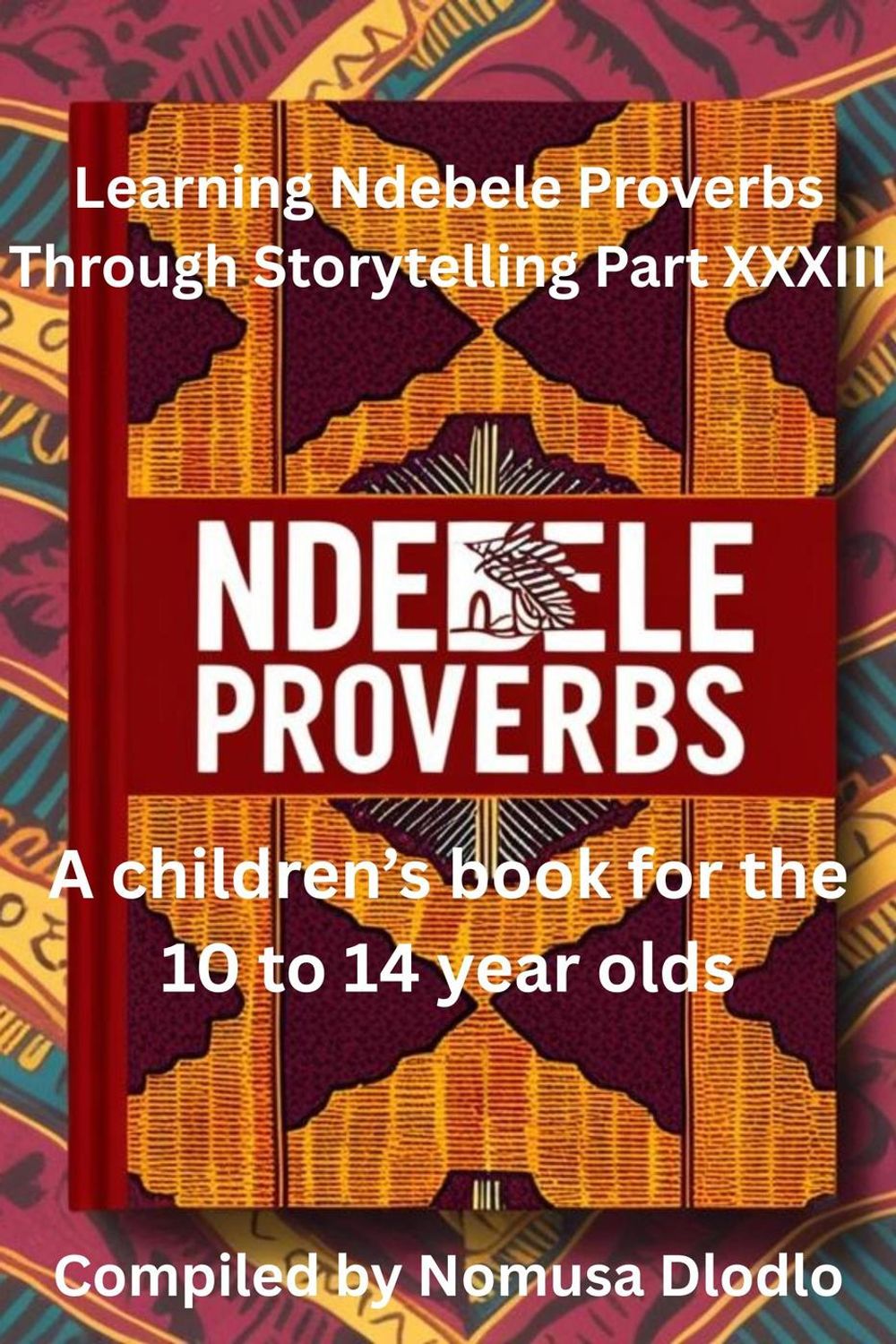
Long before stories lived in books, they lived in voices—shared beside the fire, in the fields, and in the quiet moments between elders and children. Among the amaNdebele, these voices shaped wisdom into short, powerful sayings called izaga (proverbs). Though brief, each proverb carries deep meaning, guiding people on how to live well with themselves and with others. This book brings together 25 Ndebele proverbs, thoughtfully explained for children. Each proverb is unpacked in three ways: its meaning, its connection to similar ideas found in other languages and cultures, and the life lessons it offers. These lessons are not only about the past; they are tools for today—helping young readers understand responsibility, relationships, leadership, courage, and character. Throughout this collection, children will learn personal accountability. Several proverbs remind us that we cannot blame others for problems we refused to face ourselves. These teachings encourage children to take ownership of their actions and to understand that responsibility begins with the self. The proverbs also teach the power of presence and attention. They show that simply "being there," watching carefully, and noticing small details can prevent bigger problems later. A good leader, parent, or friend does not wait until a situation becomes a crisis. Instead, they pay attention early. Many of the lessons focus on wisdom in relationships and community life. Children are taught the value of privacy and respect, learning that strong communities are built when families mind their own homes and protect one another's dignity. The proverbs warn against gossip, careless speech, and distraction, reminding us that what we "eat" with our words shapes our character just as much as food shapes our bodies. Silence, when used wisely, is shown to be a form of strength. Another powerful theme is persistence and resilience. Several proverbs teach that success rarely comes from a single attempt. Children learn that failure is not the end, but part of the journey, and that courage means staying in the arena even when things are difficult. Big problems, often require patience, multiple efforts, and determination. Strong lessons about character and moral vigilance run through the proverbs. Children are warned about hidden dangers: small signs of trouble, ignored too long, can grow into great harm. The proverbs teach them to trust their instincts, to be cautious about whom they allow into their lives, and to understand that character—good or bad—often reveals itself in small moments first. Family and home are treated as sacred spaces. The proverbs highlight loyalty, protection, and emotional intelligence, teaching that conflict, careless words, and unresolved anger can slowly destroy the sweetness of a household. At the same time, they show that true strength lies in reconciliation, patience, and the courage to put out a fire completely rather than hiding embers under ashes. Children will also learn important lessons about love, leadership, and humility. They discover that real influence is quiet, that wise leaders listen—especially to women and elders—and that honor comes from good character, not from appearances or titles. Love, the proverbs teach, must be guided by wisdom, for a blind heart cannot protect a home. Across all 25 proverbs, one message is clear: actions define who we are. Clothing, words, and status mean little if they are not matched by responsibility, hard work, and care for the community. Every person, young or old, has a role to play, and dignity comes from fulfilling that role with integrity. May this book help young readers grow thoughtful minds, kind hearts, and strong character. These proverbs are not just to be read, but to be lived—for a proverb remembered is wisdom carried, and wisdom carried is a life well guided.
Leggi di più
Leggi di meno
Autore:
Anno edizione:
2026
Editore:
Formato:
Lingua:
Inglese
Compatibilità:
Tutti i dispositivi (eccetto Kindle) Scopri di più
Layout:
Reflowable
EAN:
9798233299247
L'articolo è stato aggiunto al carrello
Formato:
Gli eBook venduti da IBS.it sono in formato ePub e possono essere protetti da Adobe DRM. In caso di download di un file protetto da DRM si otterrà un file in formato .acs, (Adobe Content Server Message), che dovrà essere aperto tramite Adobe Digital Editions e autorizzato tramite un account Adobe, prima di poter essere letto su pc o trasferito su dispositivi compatibili.
Cloud:
Gli eBook venduti da IBS.it sono sincronizzati automaticamente su tutti i client di lettura Kobo successivamente all’acquisto. Grazie al Cloud Kobo i progressi di lettura, le note, le evidenziazioni vengono salvati e sincronizzati automaticamente su tutti i dispositivi e le APP di lettura Kobo utilizzati per la lettura.
Clicca qui per sapere come scaricare gli ebook utilizzando un pc con sistema operativo Windows
L’articolo è stato aggiunto alla lista dei desideri
