

L’articolo è stato aggiunto alla lista dei desideri






LIBRO INGLESE
 E-mail
 Facebook
 LinkedIn
 Twitter
 WhatsApp
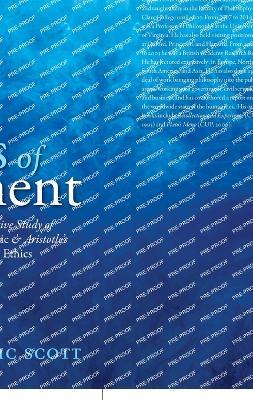
Levels of Argument: A Comparative Study of Plato's Republic and Aristotle's Nicomachean Ethics
(0)
Cliccando su “Conferma” dichiari che il contenuto da te inserito è conforme alle Condizioni Generali d’Uso del Sito ed alle Linee Guida sui Contenuti Vietati. Puoi rileggere e modificare e successivamente confermare il tuo contenuto. Tra poche ore lo troverai online (in caso contrario verifica la conformità del contenuto alle policy del Sito).
Grazie per la tua recensione!
Tra poche ore la vedrai online (in caso contrario verifica la conformità del testo alle nostre linee guida). Dopo la pubblicazione per te +4 punti 
147,70 €

Venditore: IBS
Articolo acquistabile con Carta del Docente

Articolo acquistabile con Carta Cultura Giovani e Carta del Merito

Articolo acquistabile con Carta della Cultura

Paga con Klarna in 3 rate senza interessi per ordini superiori a 39 €

Dati e Statistiche
 Salvato in 0 liste dei desideri
Salvato in 0 liste dei desideri
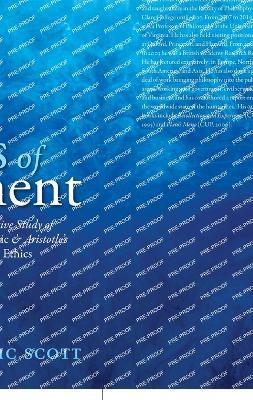
Levels of Argument: A Comparative Study of Plato's Republic and Aristotle's Nicomachean Ethics
Disponibilità in 2 settimane
147,70 €
147,70 €
Disponibilità in 2 settimane
Altre offerte vendute e spedite dai nostri venditori
Libri in Inglese
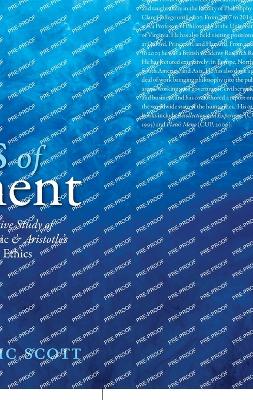
Levels of Argument: A Comparative Study of Plato's Republic and Aristotle's Nicomachean Ethics
Altri venditori
Prezzo e spese di spedizione
LIBRO INGLESE
Disponibilità in 2 settimane

Venduto e spedito da
IBS
Spedizione Gratis
147,70 €
Altri venditori
Prezzo e spese di spedizione
LIBRO INGLESE
Disponibilità in 2 settimane
Venduto e spedito da
IBS
Spedizione Gratis
147,70 €
Altri venditori
Prezzo e spese di spedizione

Tutti i formati ed edizioni
Promo attive (0)
In Levels of Argument, Dominic Scott compares the Republic and Nicomachean Ethics from a methodological perspective. In the first half he argues that the Republic distinguishes between two levels of argument in the defence of justice, the 'longer' and 'shorter' routes. The longer is the ideal and aims at maximum precision, requiring knowledge of the Forms and a definition of the Good. The shorter route is less precise, employing hypotheses, analogies and empirical observation. This is the route that Socrates actually follows in the Republic, because it is appropriate to the level of his audience and can stand on its own feet as a plausible defence of justice. In the second half of the book, Scott turns to the Nicomachean Ethics. Scott argues that, even though Aristotle rejects a universal Form of the Good, he implicitly recognises the existence of longer and shorter routes, analogous to those distinguished in the Republic. The longer route would require a comprehensive theoretical worldview, incorporating elements from Aristotle's metaphysics, physics, psychology, and biology. But Aristotle steers his audience away from such an approach as being a distraction from the essentially practical goals of political science. Unnecessary for good decision-making, it is not even an ideal. In sum, Platonic and Aristotelian methodologies both converge and diverge. Both distinguish analogously similar levels of argument, and it is the shorter route that both philosophers actually follow--Plato because he thinks it will have to suffice, Aristotle because he thinks that there is no need to go beyond it.
Leggi di più
Leggi di meno
Autore:
Editore:
Anno:
2015
Rilegatura:
Hardback
Pagine:
244 p.
Testo in English
Dimensioni:
222 x 147 mm
Peso:
436 gr.
EAN:
9780199249640

L'articolo è stato aggiunto al carrello
Informazioni e Contatti sulla Sicurezza dei Prodotti
Le schede prodotto sono aggiornate in conformità al Regolamento UE 988/2023. Laddove ci fossero taluni dati non disponibili per ragioni indipendenti da IBS, vi informiamo che stiamo compiendo ogni ragionevole sforzo per inserirli. Vi invitiamo a controllare periodicamente il sito www.ibs.it per eventuali novità e aggiornamenti.
Per le vendite di prodotti da terze parti, ciascun venditore si assume la piena e diretta responsabilità per la commercializzazione del prodotto e per la sua conformità al Regolamento UE 988/2023, nonché alle normative nazionali ed europee vigenti.
Per informazioni sulla sicurezza dei prodotti, contattare productsafetyibs@feltrinelli.it
L’articolo è stato aggiunto alla lista dei desideri
