

L’articolo è stato aggiunto alla lista dei desideri



EBOOK IN LINGUA STRANIERA
 E-mail
 Facebook
 LinkedIn
 Twitter
 WhatsApp
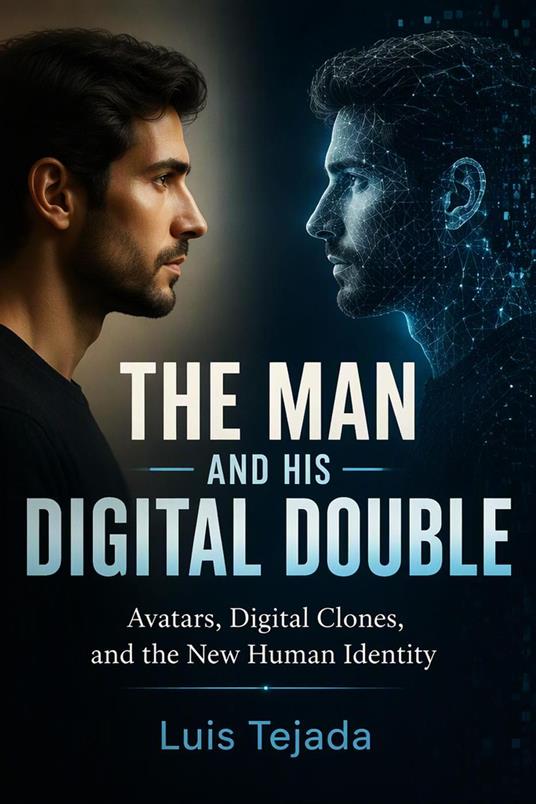
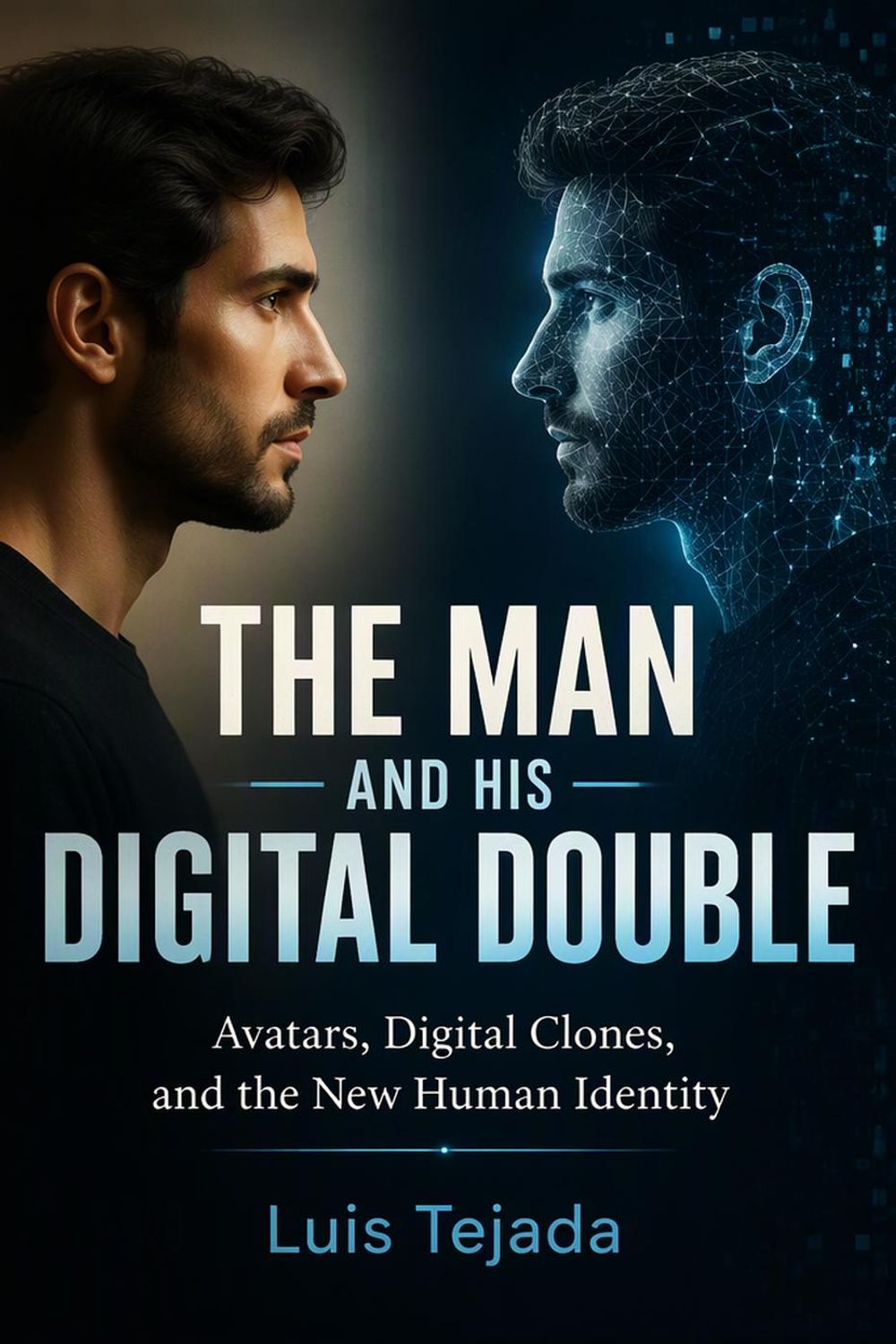
THE MAN AND HIS DIGITAL DOUBLE Avatars, Digital Clones, and the New Human Identity
(0)
Cliccando su “Conferma” dichiari che il contenuto da te inserito è conforme alle Condizioni Generali d’Uso del Sito ed alle Linee Guida sui Contenuti Vietati. Puoi rileggere e modificare e successivamente confermare il tuo contenuto. Tra poche ore lo troverai online (in caso contrario verifica la conformità del contenuto alle policy del Sito).
Grazie per la tua recensione!
Tra poche ore la vedrai online (in caso contrario verifica la conformità del testo alle nostre linee guida). Dopo la pubblicazione per te +4 punti 
6,49 €
+60
punti 
Venditore: IBS

Acquista online
Scaricabile subito
Articolo acquistabile con Carta del Docente

Articolo acquistabile con Carta Cultura Giovani e Carta del Merito

Articolo acquistabile con Carta della Cultura

Abbonati a Kobo plus per avere accesso illimitato a questo contenuto

Dati e Statistiche
 Salvato in 0 liste dei desideri
THE MAN AND HIS DIGITAL DOUBLE Avatars, Digital Clones, and the New Human Identity
Scaricabile subito
6,49 €
6,49 €
Scaricabile subito
Altre offerte vendute e spedite dai nostri venditori
Ebook in lingua straniera
THE MAN AND HIS DIGITAL DOUBLE Avatars, Digital Clones, and the New Human Identity
Altri venditori
Prezzo e spese di spedizione
EBOOK INGLESE
EPUB2 con DRMFREE
Scaricabile subito

Venduto e spedito da
IBS
Spedizione Gratis
6,49 €
Altri venditori
Prezzo e spese di spedizione
EBOOK INGLESE
EPUB2 con DRMFREE
Scaricabile subito
Venduto e spedito da
IBS
Spedizione Gratis
6,49 €
Altri venditori
Prezzo e spese di spedizione

Tutti i formati ed edizioni
Promo attive (0)
THE MAN AND HIS DIGITAL DOUBLE Avatars, Digital Clones, and the New Human Identity
For thousands of years, human identity was inseparable from the physical body. We were recognized by our faces, our voices, our names, our memories, and the people who knew us. But the digital revolution has begun to change that relationship. Today, photographs, messages, videos, social networks, biometric data, personal records, and artificial intelligence are creating increasingly detailed representations of who we are. The Man and His Digital Double explores the extraordinary transformation that is taking place as artificial intelligence moves from merely storing information about us to creating systems capable of speaking, remembering, learning, reasoning, and acting on our behalf. What exactly is a digital double? How does an avatar evolve into an intelligent representation? Can an artificial system reproduce our personality, writing style, voice, memories, and decision-making patterns? At what point does a representation become so convincing that other people can no longer distinguish it from the person it represents? The book examines the technological, philosophical, social, and human consequences of this emerging reality. A digital double could become a personal assistant, professional representative, teacher, writer, communicator, administrator, historian, or even a repository of our memories. It could answer messages while we sleep, represent us in virtual environments, organize our knowledge, communicate in different languages, and continue interacting with others when we are physically absent. But enormous possibilities bring equally important questions. Who controls our digital double? Who is responsible for its actions? Can we revoke its authorization? What happens to our digital identity after death? Should an artificial representation be allowed to continue speaking in our name? What happens when our digital double knows our history better than we do? And what happens when the representation becomes more visible to the world than the person behind it? The book also explores the limits of digital replication. A photograph can represent a face, but it is not the person. A biography can represent a life, but it is not the life. A machine can reproduce our words without necessarily experiencing their meaning. It can recognize patterns in our behavior without possessing our subjective experience. It can preserve our memories without having lived them. This distinction becomes increasingly important as artificial intelligence becomes more sophisticated. The Man and His Digital Double examines the emergence of hybrid identities, the possibility of multiple digital versions of ourselves, the relationship between physical and digital existence, and the future of individuality in a world where our representations may become autonomous. It also considers the risks: identity theft, artificial impersonation, unauthorized digital replicas, synthetic voices, manipulated images, automated deception, loss of privacy, and the possibility of allowing our digital representatives to make decisions without adequate human supervision. At the same time, the book looks beyond fear. The digital double could become one of humanity's most powerful tools for preserving knowledge, extending individual capabilities, communicating across languages, organizing personal history, and helping future generations understand those who came before them. Ultimately, however, the central question is not whether machines will become increasingly similar to us. The deeper question is what it means to remain human when our appearance, voice, knowledge, me
Leggi di più
Leggi di meno
Autore:
Anno edizione:
2026
Editore:
Formato:
Lingua:
Inglese
Compatibilità:
Tutti i dispositivi (eccetto Kindle) Scopri di più
Layout:
Reflowable
EAN:
9798237436723
L'articolo è stato aggiunto al carrello
Formato:
Gli eBook venduti da IBS.it sono in formato ePub e possono essere protetti da Adobe DRM. In caso di download di un file protetto da DRM si otterrà un file in formato .acs, (Adobe Content Server Message), che dovrà essere aperto tramite Adobe Digital Editions e autorizzato tramite un account Adobe, prima di poter essere letto su pc o trasferito su dispositivi compatibili.
Cloud:
Gli eBook venduti da IBS.it sono sincronizzati automaticamente su tutti i client di lettura Kobo successivamente all’acquisto. Grazie al Cloud Kobo i progressi di lettura, le note, le evidenziazioni vengono salvati e sincronizzati automaticamente su tutti i dispositivi e le APP di lettura Kobo utilizzati per la lettura.
Clicca qui per sapere come scaricare gli ebook utilizzando un pc con sistema operativo Windows
L’articolo è stato aggiunto alla lista dei desideri
