

L’articolo è stato aggiunto alla lista dei desideri








LIBRO VINTAGE
 E-mail
 Facebook
 LinkedIn
 Twitter
 WhatsApp
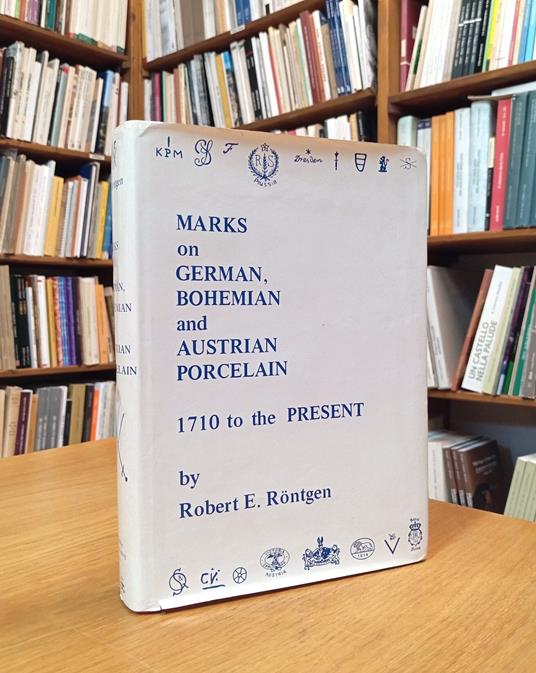
Marks on German, Bohemian and Austrian porcelain. 1710 to the present
(0)
Cliccando su “Conferma” dichiari che il contenuto da te inserito è conforme alle Condizioni Generali d’Uso del Sito ed alle Linee Guida sui Contenuti Vietati. Puoi rileggere e modificare e successivamente confermare il tuo contenuto. Tra poche ore lo troverai online (in caso contrario verifica la conformità del contenuto alle policy del Sito).
Grazie per la tua recensione!
Tra poche ore la vedrai online (in caso contrario verifica la conformità del testo alle nostre linee guida). Dopo la pubblicazione per te +4 punti 
Dati e Statistiche
 Salvato in 0 liste dei desideri
Salvato in 0 liste dei desideri
Marks on German, Bohemian and Austrian porcelain. 1710 to the present
Disponibilità immediata
25,00 €
25,00 €
Disponibilità immediata
Altre offerte vendute e spedite dai nostri venditori
Libri Vintage
Marks on German, Bohemian and Austrian porcelain. 1710 to the present
Altri venditori
Prezzo e spese di spedizione

LIBRO VINTAGE
Ottima condizione
Disponibilità immediata

Venduto e spedito da
ilsalvalibro
 5/
5
(243 opinioni)
5/
5
(243 opinioni)
Spedizione 5,50 €
25,00 €
Altri venditori
Prezzo e spese di spedizione
Altri venditori
Prezzo e spese di spedizione
LIBRO VINTAGE
Ottima condizione
Disponibilità immediata
Venduto e spedito da
ilsalvalibro
5/
5
(243 opinioni)
Spedizione 5,50 €
25,00 €

Tutti i formati ed edizioni
Promo attive (0)
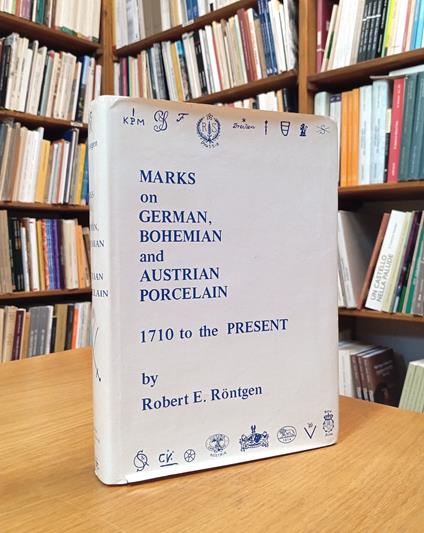
Prima edizione; testo bilingue inglese-tedesco - Volume rilegato in tela editoriale rossa con sovraccoperta, 636 pagine con quasi 3300 marchi riprodotti in nero nel testo. Indice consultabile nelle nostre immagini. Sovraccoperta con sgualciture ai margini; bandella anteriore con una sottolineatura a penna e angolo superiore asportato; nel complesso copia in ottimo stato -- Almost half of all European porcelain now in museums, on collectors' shelves, in antique shows and shops and in flea markets was made in Germany, Bohemia and Austria. Since European porcelain was invented in 1708 a narrow strip of land from Bavaria to Bohemia became the center of continental porcelain production. The porcelain manufacturers and factories in this area were and still are not only the most productive in all of Europe, they are also related by their technical methods and their style, by historical circumstances and, in quite a few cases, even by family bonds. Until now there was no complete source of reference in English about this important porcelain producing region available. Robert E. Röntgen's book for the first time gives a comprehensive survey of the porcelain producers in this area and the marks they used. Of special interest to collectors, dealers and buyers is that with each mark the time period of its use is given, making it possible to determine the age of a piece of porcelain. Information about 1,300 porcelain producers and decorators include in most cases a concise history, relations to other factories and a listing of their main products. An elaborate system of cross-references and indices was designed to make identification of marks and porcelain producers easy and quick. A special part of the work is solely devoted to a comparison of similar-looking marks.
.
Leggi di più
Leggi di meno
Venditore:

ilsalvalibro
Vedi tutti i prodotti
Informazioni:
<p>Prima edizione; testo bilingue inglese-tedesco - Volume rilegato in tela editoriale rossa con sovraccoperta, 636 pagine con quasi 3300 marchi riprodotti in nero nel testo. Indice consultabile nelle nostre immagini. Sovraccoperta con sgualciture ai margini; bandella anteriore con una sottolineatura a penna e angolo superiore asportato; nel complesso copia in ottimo stato -- Almost half of all European porcelain now in museums, on collectors' shelves, in antique shows and shops and in flea markets was made in Germany, Bohemia and Austria. Since European porcelain was invented in 1708 a narrow strip of land from Bavaria to Bohemia became the center of continental porcelain production. The porcelain manufacturers and factories in this area were and still are not only the most productive in all of Europe, they are also related by their technical methods and their style, by historical circumstances and, in quite a few cases, even by family bonds. Until now there was no complete source of reference in English about this important porcelain producing region available. Robert E. R&ouml;ntgen's book for the first time gives a comprehensive survey of the porcelain producers in this area and the marks they used. Of special interest to collectors, dealers and buyers is that with each mark the time period of its use is given, making it possible to determine the age of a piece of porcelain. Information about 1,300 porcelain producers and decorators include in most cases a concise history, relations to other factories and a listing of their main products. An elaborate system of cross-references and indices was designed to make identification of marks and porcelain producers easy and quick. A special part of the work is solely devoted to a comparison of similar-looking marks.&nbsp;</p>.
Immagini:


Anno edizione:
1981
- Prodotto usato
- Condizioni: Usato - Ottima condizione
EAN:
2570252136942

L'articolo è stato aggiunto al carrello
Informazioni e Contatti sulla Sicurezza dei Prodotti
Le schede prodotto sono aggiornate in conformità al Regolamento UE 988/2023. Laddove ci fossero taluni dati non disponibili per ragioni indipendenti da IBS, vi informiamo che stiamo compiendo ogni ragionevole sforzo per inserirli. Vi invitiamo a controllare periodicamente il sito www.ibs.it per eventuali novità e aggiornamenti.
Per le vendite di prodotti da terze parti, ciascun venditore si assume la piena e diretta responsabilità per la commercializzazione del prodotto e per la sua conformità al Regolamento UE 988/2023, nonché alle normative nazionali ed europee vigenti.
Per informazioni sulla sicurezza dei prodotti, contattare productsafetyibs@feltrinelli.it
L’articolo è stato aggiunto alla lista dei desideri
