

L’articolo è stato aggiunto alla lista dei desideri








LIBRO INGLESE
 E-mail
 Facebook
 LinkedIn
 Twitter
 WhatsApp
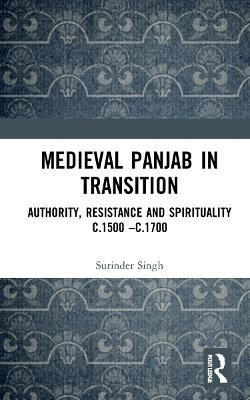
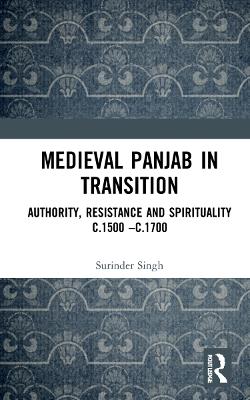
Medieval Panjab in Transition: Authority, Resistance and Spirituality c.1500 – c.1700
(0)
Cliccando su “Conferma” dichiari che il contenuto da te inserito è conforme alle Condizioni Generali d’Uso del Sito ed alle Linee Guida sui Contenuti Vietati. Puoi rileggere e modificare e successivamente confermare il tuo contenuto. Tra poche ore lo troverai online (in caso contrario verifica la conformità del contenuto alle policy del Sito).
Grazie per la tua recensione!
Tra poche ore la vedrai online (in caso contrario verifica la conformità del testo alle nostre linee guida). Dopo la pubblicazione per te +4 punti 
268,50 €
+2690
punti 
Venditore: IBS
Articolo acquistabile con Carta del Docente

Articolo acquistabile con Carta Cultura Giovani e Carta del Merito

Articolo acquistabile con Carta della Cultura

Paga con Klarna in 3 rate senza interessi per ordini superiori a 39 €

Dati e Statistiche
 Salvato in 0 liste dei desideri
Salvato in 0 liste dei desideri
Medieval Panjab in Transition: Authority, Resistance and Spirituality c.1500 – c.1700
Disponibilità in 2 settimane
268,50 €
268,50 €
Disponibilità in 2 settimane
Altre offerte vendute e spedite dai nostri venditori

Libri in Inglese
Medieval Panjab in Transition: Authority, Resistance and Spirituality c.1500 – c.1700
Altri venditori
Prezzo e spese di spedizione
LIBRO INGLESE
Disponibilità in 2 settimane

Venduto e spedito da
IBS
Spedizione Gratis
268,50 €
Altri venditori
Prezzo e spese di spedizione
LIBRO INGLESE
Disponibilità in 2 settimane
Venduto e spedito da
IBS
Spedizione Gratis
268,50 €
Altri venditori
Prezzo e spese di spedizione

Tutti i formati ed edizioni
Promo attive (0)
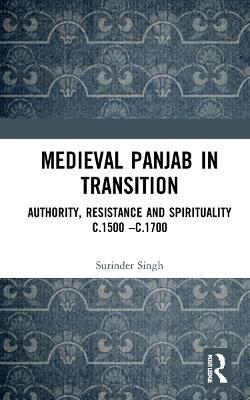
This book reconstructs the historical transition in the undivided Panjab during the sixteenth and seventeenth centuries. It shows that the assertion of Mughal and Afghan suzerainty faced sustained resistance from local elements, particularly the autonomous tribes and hill chiefdoms. In central plains, Dulla Bhatti mobilized the toilers of his ancestral domain and, leading a relentless fight against the Mughal oppression, became an abiding symbol of resistance in the collective memory. The multicultural legacy of Panjab evolved through diverse strands of spirituality. The jogis, wedded to monastic discipline, supernatural abilities and land grants, gained acceptance through their exertions for social betterment. The Sabiri and Qadiri silsilas channelized mystical urges towards the technique of prime recitation. The popular verses of Shah Husain, Baba Lal and Sultan Bahu proposed a loving relation with God. The legendary lovers, perishing in the struggles against patriarchal forces, promoted a merger of dissent with spirituality. In the city of Lahore, the material pursuits and cultural life were visible in a mosaic of descriptions, including episodes of social tension. The book understands the upliftment of depressed castes as a defining feature of Sikhism. It places egalitarian concern of the Sikh Gurus alongside the anti-caste protests of Namdev, Kabir and Ravidas. Owing to scriptural authority and congregational equality, the members of depressed castes attained a numerical majority in the Sikh warrior bands that shook the foundations of the Mughal state. The work relies on evidence from the Persian chronicles, Mughal newsletters, Sufi writings, Sikh literature and Punjabi folklore. Please note: Taylor & Francis does not sell or distribute the Hardback in India, Pakistan, Nepal, Bhutan, Bangladesh and Sri Lanka.
Leggi di più
Leggi di meno
Testo in English
Dimensioni:
216 x 138 mm
Peso:
900 gr.
EAN:
9781032298702

L'articolo è stato aggiunto al carrello
Informazioni e Contatti sulla Sicurezza dei Prodotti
Le schede prodotto sono aggiornate in conformità al Regolamento UE 988/2023. Laddove ci fossero taluni dati non disponibili per ragioni indipendenti da IBS, vi informiamo che stiamo compiendo ogni ragionevole sforzo per inserirli. Vi invitiamo a controllare periodicamente il sito www.ibs.it per eventuali novità e aggiornamenti.
Per le vendite di prodotti da terze parti, ciascun venditore si assume la piena e diretta responsabilità per la commercializzazione del prodotto e per la sua conformità al Regolamento UE 988/2023, nonché alle normative nazionali ed europee vigenti.
Per informazioni sulla sicurezza dei prodotti, contattare productsafetyibs@feltrinelli.it
L’articolo è stato aggiunto alla lista dei desideri
