

L’articolo è stato aggiunto alla lista dei desideri









LIBRO INGLESE
 E-mail
 Facebook
 LinkedIn
 Twitter
 WhatsApp
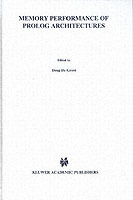
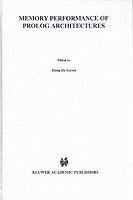
Memory Performance of Prolog Architectures
(0)
Cliccando su “Conferma” dichiari che il contenuto da te inserito è conforme alle Condizioni Generali d’Uso del Sito ed alle Linee Guida sui Contenuti Vietati. Puoi rileggere e modificare e successivamente confermare il tuo contenuto. Tra poche ore lo troverai online (in caso contrario verifica la conformità del contenuto alle policy del Sito).
Grazie per la tua recensione!
Tra poche ore la vedrai online (in caso contrario verifica la conformità del testo alle nostre linee guida). Dopo la pubblicazione per te +4 punti 
207,10 €
+2070
punti 
Venditore: IBS
Articolo acquistabile con Carta del Docente

Articolo acquistabile con Carta Cultura Giovani e Carta del Merito

Articolo acquistabile con Carta della Cultura

Paga con Klarna in 3 rate senza interessi per ordini superiori a 39 €

Dati e Statistiche
 Salvato in 0 liste dei desideri
Salvato in 0 liste dei desideri
Memory Performance of Prolog Architectures
Disponibilità in 2 settimane
207,10 €
207,10 €
Disponibilità in 2 settimane
Altre offerte vendute e spedite dai nostri venditori

Libri in Inglese
Memory Performance of Prolog Architectures
Altri venditori
Prezzo e spese di spedizione
LIBRO INGLESE
Disponibilità in 2 settimane

Venduto e spedito da
IBS
Spedizione Gratis
207,10 €
Altri venditori
Prezzo e spese di spedizione
LIBRO INGLESE
Disponibilità in 2 settimane
Venduto e spedito da
IBS
Spedizione Gratis
207,10 €
Altri venditori
Prezzo e spese di spedizione

Tutti i formati ed edizioni
Promo attive (0)
One suspects that the people who use computers for their livelihood are growing more "sophisticated" as the field of computer science evolves. This view might be defended by the expanding use of languages such as C and Lisp in contrast to the languages such as FORTRAN and COBOL. This hypothesis is false however - computer languages are not like natural languages where successive generations stick with the language of their ancestors. Computer programmers do not grow more sophisticated - programmers simply take the time to muddle through the increasingly complex language semantics in an attempt to write useful programs. Of course, these programmers are "sophisticated" in the same sense as are hackers of MockLisp, PostScript, and Tex - highly specialized and tedious languages. It is quite frustrating how this myth of sophistication is propagated by some industries, universities, and government agencies. When I was an undergraduate at MIT, I distinctly remember the convoluted questions on exams concerning dynamic scoping in Lisp - the emphasis was placed solely on a "hacker's" view of computation, i. e. , the control and manipulation of storage cells. No consideration was given to the logical structure of programs. Within the past five years, Ada and Common Lisp have become programming language standards, despite their complexity (note that dynamic scoping was dropped even from Common Lisp). Of course, most industries' selection of programming languages are primarily driven by the requirement for compatibility (with previous software) and performance.
Leggi di più
Leggi di meno
Autore:
Editore:
Collana:
The Springer International Series in Engineering and Computer Science
Anno:
1987
Rilegatura:
Hardback
Pagine:
232 p.
Testo in English
Dimensioni:
234 x 156 mm
EAN:
9780898382549

L'articolo è stato aggiunto al carrello
Informazioni e Contatti sulla Sicurezza dei Prodotti
Le schede prodotto sono aggiornate in conformità al Regolamento UE 988/2023. Laddove ci fossero taluni dati non disponibili per ragioni indipendenti da IBS, vi informiamo che stiamo compiendo ogni ragionevole sforzo per inserirli. Vi invitiamo a controllare periodicamente il sito www.ibs.it per eventuali novità e aggiornamenti.
Per le vendite di prodotti da terze parti, ciascun venditore si assume la piena e diretta responsabilità per la commercializzazione del prodotto e per la sua conformità al Regolamento UE 988/2023, nonché alle normative nazionali ed europee vigenti.
Per informazioni sulla sicurezza dei prodotti, contattare productsafetyibs@feltrinelli.it
L’articolo è stato aggiunto alla lista dei desideri
