

L’articolo è stato aggiunto alla lista dei desideri








LIBRO INGLESE
 E-mail
 Facebook
 LinkedIn
 Twitter
 WhatsApp
North, South, East and West in Twelfth-Century Thought
(0)
Cliccando su “Conferma” dichiari che il contenuto da te inserito è conforme alle Condizioni Generali d’Uso del Sito ed alle Linee Guida sui Contenuti Vietati. Puoi rileggere e modificare e successivamente confermare il tuo contenuto. Tra poche ore lo troverai online (in caso contrario verifica la conformità del contenuto alle policy del Sito).
Grazie per la tua recensione!
Tra poche ore la vedrai online (in caso contrario verifica la conformità del testo alle nostre linee guida). Dopo la pubblicazione per te +4 punti 
131,13 €

-5%
138,03 €
+1310
punti
Venditore: IBS
Articolo acquistabile con Carta del Docente

Articolo acquistabile con Carta Cultura Giovani e Carta del Merito

Paga con Klarna in 3 rate senza interessi per ordini superiori a 39 €

Dati e Statistiche
 Salvato in 0 liste dei desideri
Salvato in 0 liste dei desideri
North, South, East and West in Twelfth-Century Thought
Disponibilità in 3 settimane
131,13 €
-5%
138,03 €
131,13 €
138,03 €
-5%
Disponibilità in 3 settimane
Altre offerte vendute e spedite dai nostri venditori

Libri in Inglese
North, South, East and West in Twelfth-Century Thought
Altri venditori
Prezzo e spese di spedizione
Nuovo
 disponibilità in 3 settimane
 Venduto e spedito da
IBS
Venduto e spedito da
IBS
disponibilità in 3 settimane
Spedizione Gratis
-5%
138,03 €
131,13 €
Altri venditori
Prezzo e spese di spedizione
Nuovo
disponibilità in 3 settimane
Venduto e spedito da
IBS
disponibilità in 3 settimane
Spedizione Gratis
-5%
138,03 €
131,13 €
Altri venditori
Prezzo e spese di spedizione

Tutti i formati ed edizioni
Promo attive (0)
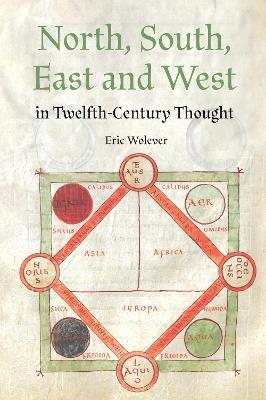
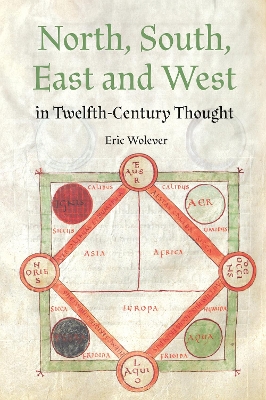
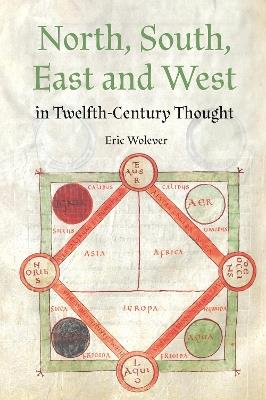
Considers how twelfth-century authors used the four cardinal points as a conceptual system to make sense of and construct their world. From the Great White North to the West End or the Global South, we frequently carve up our world according to the cardinal points. These divisions are rarely mere geographical conveniences; they bring with them a host of ideas about regions and their inhabitants. This book examines how this phenomenon operated in the Middle Ages, drawing on sources from the Ordinary Gloss on the Bible to the geographies of Hugh of Saint Victor and Honorius Augustodunensis. It begins by tracing the consolidation of the cardinal points as a foundational spatial vocabulary in the Middle Ages and looks athow these terms accumulated new meaning and significance in biblical exegesis, geography and history writing over the twelfth century. It pays particular attention to the ways in which authors actively engaged with and manipulated this tradition, showing how authors like Sigebert of Gembloux, Romuald of Salerno and Orderic Vitalis made use of these ideas to underscore the broader narrative agendas of their universal histories. Subsequent chapters focus on the role of space in narratives of identity formation, using as case studies histories of the First Crusade, the duchy of Normandy and the abbey of Cluny.
Leggi di più
Leggi di meno
Testo in English
Dimensioni:
234 x 156 mm
EAN:
9781837650637
L'articolo è stato aggiunto al carrello
Informazioni e Contatti sulla Sicurezza dei Prodotti
Le schede prodotto sono aggiornate in conformità al Regolamento UE 988/2023. Laddove ci fossero taluni dati non disponibili per ragioni indipendenti da IBS, vi informiamo che stiamo compiendo ogni ragionevole sforzo per inserirli. Vi invitiamo a controllare periodicamente il sito www.ibs.it per eventuali novità e aggiornamenti.
Per le vendite di prodotti da terze parti, ciascun venditore si assume la piena e diretta responsabilità per la commercializzazione del prodotto e per la sua conformità al Regolamento UE 988/2023, nonché alle normative nazionali ed europee vigenti.
Per informazioni sulla sicurezza dei prodotti, contattare productsafetyibs@feltrinelli.it
L’articolo è stato aggiunto alla lista dei desideri
