

L’articolo è stato aggiunto alla lista dei desideri









LIBRO INGLESE
 E-mail
 Facebook
 LinkedIn
 Twitter
 WhatsApp
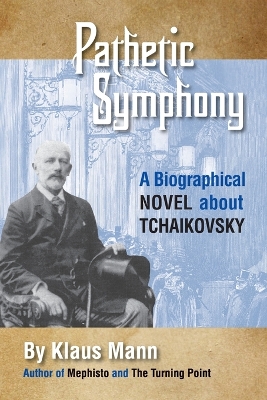
Pathetic Symphony: Biographical Novel About Tchaikovsky
(0)
Cliccando su “Conferma” dichiari che il contenuto da te inserito è conforme alle Condizioni Generali d’Uso del Sito ed alle Linee Guida sui Contenuti Vietati. Puoi rileggere e modificare e successivamente confermare il tuo contenuto. Tra poche ore lo troverai online (in caso contrario verifica la conformità del contenuto alle policy del Sito).
Grazie per la tua recensione!
Tra poche ore la vedrai online (in caso contrario verifica la conformità del testo alle nostre linee guida). Dopo la pubblicazione per te +4 punti 

27,70 €
+280
punti 
Venditore: IBS
Articolo acquistabile con Carta del Docente

Articolo acquistabile con Carta Cultura Giovani e Carta del Merito

Articolo acquistabile con Carta della Cultura

Dati e Statistiche
 Salvato in 0 liste dei desideri
Salvato in 0 liste dei desideri
Pathetic Symphony: Biographical Novel About Tchaikovsky
Disponibilità in 2 settimane
27,70 €
27,70 €
Disponibilità in 2 settimane
Altre offerte vendute e spedite dai nostri venditori

Libri in Inglese
Pathetic Symphony: Biographical Novel About Tchaikovsky
Altri venditori
Prezzo e spese di spedizione
LIBRO INGLESE
Disponibilità in 2 settimane

Venduto e spedito da
IBS
Spedizione Gratis
27,70 €
Altri venditori
Prezzo e spese di spedizione
LIBRO INGLESE
Disponibilità in 2 settimane
Venduto e spedito da
IBS
Spedizione Gratis
27,70 €
Altri venditori
Prezzo e spese di spedizione

Tutti i formati ed edizioni

Promo attive (1)
Like Mephisto, Pathetic Symphony is a novel about important artists and their milieu. Drawing his material from documented sources, and without ever distorting historical truth or sacrificing biographical accuracy for the sake of the narrative, Klaus Mann here presents a moving and unforgettable story of a tortured genius of music -- Peter llych Tchaikovsky. When the book was first published in 1948, The New York Times praised its "erotic passages and the recreation of the European musical society -- Brahms, Wagner, Grieg, Rubinstein, Mussorgsky walk through the pages." Inextricably bound up with Tchaikovsky's life are people who provide the rich orchestration of the novel: his "beloved friend" and mysterious benefactress, Madame von Meek, whom he never met personally; Desiree Artot, the Belgian singer, with whom the young, struggling composer believed himself madly in love; Antonia Miliukov, the pathetic partner in Tchaikovsky's short-lived and tragic marriage; and Tchaikovsky's nephew Vladimir Davydov, whose youth and charm captured the heart of the older man. Tchaikovsky's trials and triumphs, adventures and strange compulsions, maladjustments and neuroses inspired Klaus Mann's admiration and compassion. Both were cosmopolitans who spent more time abroad than in their own countries; both raised the suspicion and envy of their contemporaries at home. According to Mann, Tchaikovsky was the prototype of a man without a country. In Russia, Tchaikovsky's works were criticized as being too Western, the Germans accused him of Asiatic primitivity, and the Parisians found him overly Germanic. Mann wrote Tchaikovsky's story with the conviction of personal identification: "I could describe all of it; none of it was alien to me," he wrote in The Turning Point. Christopher Isherwood wrote of Mann, his friend, "From his earliest days, he inhabited the circles of the brilliant and famous. He experienced pleasure and success at an age when one is best able to enjoy them. He traveled widely and continuously -- so much so that the huge upheaval of the Emigration [from Nazi Germany to Holland and then to the U.S.] seemed, as far as he was concerned, to be no more than an extension of his normal way of living. During the last sixteen years of his life, Klaus produced an impressive body of work -- novels, non-fiction books, and innumerable articles -- under circumstances that would have reduced most writers to impotent silence."
Leggi di più
Leggi di meno
Autore:
Editore:
Anno:
1994
Rilegatura:
Paperback / softback
Pagine:
346 p.
Testo in English
EAN:
9780910129244


L'articolo è stato aggiunto al carrello
Informazioni e Contatti sulla Sicurezza dei Prodotti
Le schede prodotto sono aggiornate in conformità al Regolamento UE 988/2023. Laddove ci fossero taluni dati non disponibili per ragioni indipendenti da IBS, vi informiamo che stiamo compiendo ogni ragionevole sforzo per inserirli. Vi invitiamo a controllare periodicamente il sito www.ibs.it per eventuali novità e aggiornamenti.
Per le vendite di prodotti da terze parti, ciascun venditore si assume la piena e diretta responsabilità per la commercializzazione del prodotto e per la sua conformità al Regolamento UE 988/2023, nonché alle normative nazionali ed europee vigenti.
Per informazioni sulla sicurezza dei prodotti, contattare productsafetyibs@feltrinelli.it
L’articolo è stato aggiunto alla lista dei desideri
