

L’articolo è stato aggiunto alla lista dei desideri










EBOOK IN LINGUA STRANIERA
 E-mail
 Facebook
 LinkedIn
 Twitter
 WhatsApp
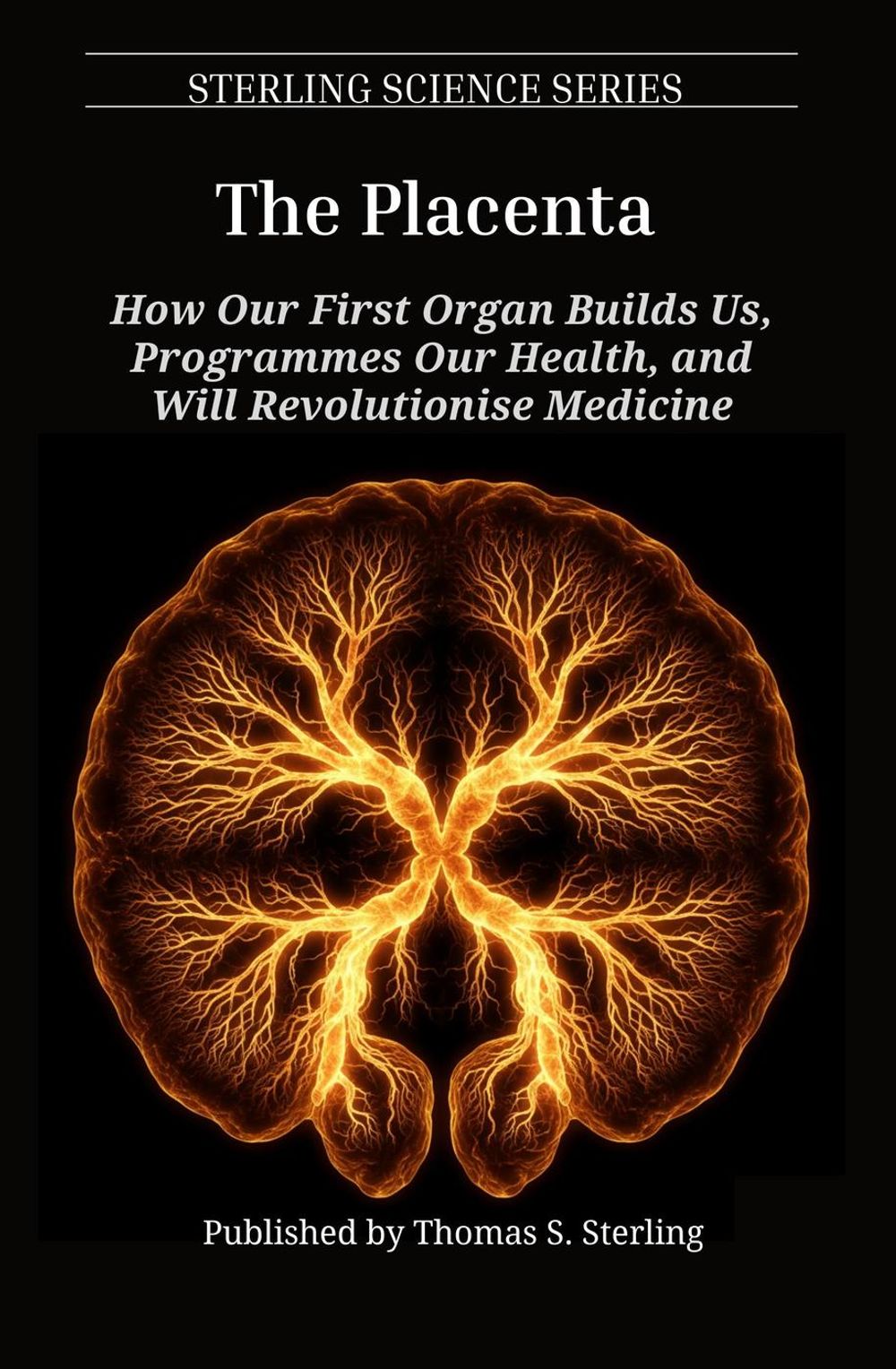
The Placenta
(0)
Cliccando su “Conferma” dichiari che il contenuto da te inserito è conforme alle Condizioni Generali d’Uso del Sito ed alle Linee Guida sui Contenuti Vietati. Puoi rileggere e modificare e successivamente confermare il tuo contenuto. Tra poche ore lo troverai online (in caso contrario verifica la conformità del contenuto alle policy del Sito).
Grazie per la tua recensione!
Tra poche ore la vedrai online (in caso contrario verifica la conformità del testo alle nostre linee guida). Dopo la pubblicazione per te +4 punti 
8,99 €
+90
punti 
Venditore: IBS

Acquista online
Scaricabile subito
Articolo acquistabile con Carta del Docente
Articolo acquistabile con Carta Cultura Giovani e Carta del Merito

Articolo acquistabile con Carta della Cultura

Abbonati a Kobo plus per avere accesso illimitato a questo contenuto

Dati e Statistiche
 Salvato in 0 liste dei desideri
Salvato in 0 liste dei desideri
The Placenta
Scaricabile subito
8,99 €
8,99 €
Scaricabile subito
Altre offerte vendute e spedite dai nostri venditori

Ebook in lingua straniera
The Placenta
Altri venditori
Prezzo e spese di spedizione
EBOOK INGLESE
EPUB2 con DRMFREE
Scaricabile subito

Venduto e spedito da
IBS
Spedizione Gratis
8,99 €
Altri venditori
Prezzo e spese di spedizione
EBOOK INGLESE
EPUB2 con DRMFREE
Scaricabile subito
Venduto e spedito da
IBS
Spedizione Gratis
8,99 €
Altri venditori
Prezzo e spese di spedizione

Tutti i formati ed edizioni
Promo attive (0)
The Placenta
You were shaped before you were born. By an organ you've never thought about. Before your first breath, before your first memory, before your genes had fully expressed themselves into the person you would become, a temporary organ was making decisions about your brain, your metabolism, your immune system, and your lifelong vulnerability to disease. It worked in secret, for 9 months, and then it was thrown away. The placenta is the most consequential organ in human biology — and the most comprehensively ignored. Weighing less than a paperback novel, lasting no longer than a pregnancy, it performs feats that the rest of human anatomy cannot approach: growing faster than any tumour, negotiating a peace treaty between two genetically incompatible immune systems, rewiring the mother's cardiovascular system from the inside, and broadcasting a continuous stream of molecular intelligence to every organ in the maternal body. Then it is incinerated as clinical waste, its secrets apparently lost. They are not lost. Not anymore. The Placenta takes readers on an extraordinary journey through one of the most explosive frontiers in modern science. In the last decade, 2 technological revolutions — one growing miniature placentas on microchips the size of a thumbnail, the other coaxing stem cells to self-assemble into 3D mini-placentas in laboratory dishes — have cracked open the biological black box that sat, dangerous and unexamined, at the centre of human development for most of medical history. What scientists are finding inside is rewriting medicine. The placenta ghostwrites the mind — laying down epigenetic instructions for the developing brain before a single neuron has fired, translating a mother's stress hormones into sex-specific neurological programmes that will shape anxiety and resilience for decades. It programmes the metabolic engine — calibrating insulin sensitivity, hunger signals, and fat distribution in ways that explain why the modern epidemics of obesity and diabetes so often begin not in the cafeteria or the office, but in the womb. It wages a diplomatic war of staggering sophistication — deploying molecular peace treaties, shape-shifting immune cells, and a sugar-coated chemical disguise to solve the immunological paradox that should make every pregnancy impossible. And it turns out to share its deepest biological secrets with cancer — using the same molecular toolkit that tumours exploit for invasion and immune evasion, and potentially holding, in its own regulatory machinery, the key to defeating them. This is also a story of scientific scandal: of pregnant women classified as "therapeutic orphans" and excluded from medical research for half a century; of animal models quietly, dangerously wrong; of a standard laboratory protocol that was growing sick placentas for 30 years while the field believed it was studying healthy ones. And it is, ultimately, a story of hope — grounded in clinical trials rather than speculation. Placental vesicles nearly tripling survival rates in critically ill COVID-19 patients. Regenerative cells offering a new approach to osteoarthritis. Engineered nanoparticles, designed on a placenta-on-a-chip, targeting the inflammatory cascade that drives preterm birth. The organ we throw away is becoming the medicine we need. Written with the narrative drive of a thriller and the rigorous grounding of world-class science journalism, The Placenta is the story of the first organ that kept us alive — what it built in us, what it knew about us, and what it is now teaching us about the diseases we spend our adult lives trying to survive. The placenta made you. It's time to meet it.
Leggi di più
Leggi di meno
Autore:
Anno edizione:
2026
Editore:
Formato:
Lingua:
Inglese
Compatibilità:
Tutti i dispositivi (eccetto Kindle) Scopri di più
Layout:
Reflowable
EAN:
9798235898080
L'articolo è stato aggiunto al carrello
Formato:
Gli eBook venduti da IBS.it sono in formato ePub e possono essere protetti da Adobe DRM. In caso di download di un file protetto da DRM si otterrà un file in formato .acs, (Adobe Content Server Message), che dovrà essere aperto tramite Adobe Digital Editions e autorizzato tramite un account Adobe, prima di poter essere letto su pc o trasferito su dispositivi compatibili.
Cloud:
Gli eBook venduti da IBS.it sono sincronizzati automaticamente su tutti i client di lettura Kobo successivamente all’acquisto. Grazie al Cloud Kobo i progressi di lettura, le note, le evidenziazioni vengono salvati e sincronizzati automaticamente su tutti i dispositivi e le APP di lettura Kobo utilizzati per la lettura.
Clicca qui per sapere come scaricare gli ebook utilizzando un pc con sistema operativo Windows
L’articolo è stato aggiunto alla lista dei desideri
