

L’articolo è stato aggiunto alla lista dei desideri








LIBRO INGLESE
 E-mail
 Facebook
 LinkedIn
 Twitter
 WhatsApp
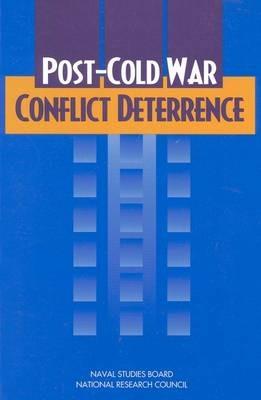
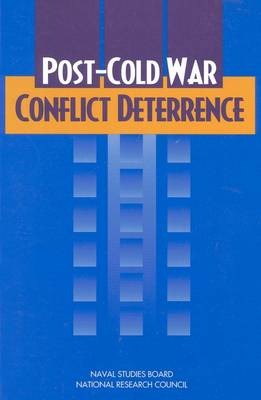
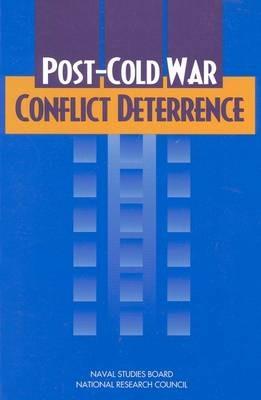
Post-Cold War Conflict Deterrence
(0)
Cliccando su “Conferma” dichiari che il contenuto da te inserito è conforme alle Condizioni Generali d’Uso del Sito ed alle Linee Guida sui Contenuti Vietati. Puoi rileggere e modificare e successivamente confermare il tuo contenuto. Tra poche ore lo troverai online (in caso contrario verifica la conformità del contenuto alle policy del Sito).
Grazie per la tua recensione!
Tra poche ore la vedrai online (in caso contrario verifica la conformità del testo alle nostre linee guida). Dopo la pubblicazione per te +4 punti 
150,81 €

-5%
158,75 €
+1510
punti
Venditore: IBS
Articolo acquistabile con Carta del Docente

Articolo acquistabile con Carta Cultura Giovani e Carta del Merito

Articolo acquistabile con Carta della Cultura

Paga con Klarna in 3 rate senza interessi per ordini superiori a 39 €

Dati e Statistiche
 Salvato in 0 liste dei desideri
Salvato in 0 liste dei desideri
Post-Cold War Conflict Deterrence
Disponibile in 5 gg lavorativi
150,81 €
-5%
158,75 €
150,81 €
158,75 €
-5%
Disponibile in 5 gg lavorativi
Altre offerte vendute e spedite dai nostri venditori
Libri in Inglese
Post-Cold War Conflict Deterrence
Altri venditori
Prezzo e spese di spedizione
LIBRO INGLESE
Disponibile in 5 gg lavorativi

Venduto e spedito da
IBS
Spedizione Gratis
-5%
158,75 €
150,81 €
Altri venditori
Prezzo e spese di spedizione
LIBRO INGLESE
Disponibile in 5 gg lavorativi
Venduto e spedito da
IBS
Spedizione Gratis
-5%
158,75 €
150,81 €
Altri venditori
Prezzo e spese di spedizione

Tutti i formati ed edizioni
Promo attive (0)
Deterrence as a strategic concept evolved during the Cold War. During that period, deterrence strategy was aimed mainly at preventing aggression against the United States and its close allies by the hostile Communist power centers--the Union of Soviet Socialist Republics (USSR) and its allies, Communist China and North Korea. In particular, the strategy was devised to prevent aggression involving nuclear attack by the USSR or China. Since the end of the Cold War, the risk of war among the major powers has subsided to the lowest point in modern history. Still, the changing nature of the threats to American and allied security interests has stimulated a considerable broadening of the deterrence concept. Post-Cold War Conflict Deterrence examines the meaning of deterrence in this new environment and identifies key elements of a post-Cold War deterrence strategy and the critical issues in devising such a strategy. It further examines the significance of these findings for the U.S. Navy and Marine Corps. Quantitative and qualitative measures to support judgments about the potential success or failure of deterrence are identified. Such measures will bear on the suitability of the naval forces to meet the deterrence objectives. The capabilities of U.S. naval forces that especially bear on the deterrence objectives also are examined. Finally, the book examines the utility of models, games, and simulations as decision aids in improving the naval forces' understanding of situations in which deterrence must be used and in improving the potential success of deterrence actions.
Leggi di più
Leggi di meno
Autore:
Editore:
Anno:
1997
Rilegatura:
Paperback / softback
Pagine:
244 p.
Testo in English
Dimensioni:
279 x 216 mm
EAN:
9780309056397

L'articolo è stato aggiunto al carrello
Informazioni e Contatti sulla Sicurezza dei Prodotti
Le schede prodotto sono aggiornate in conformità al Regolamento UE 988/2023. Laddove ci fossero taluni dati non disponibili per ragioni indipendenti da IBS, vi informiamo che stiamo compiendo ogni ragionevole sforzo per inserirli. Vi invitiamo a controllare periodicamente il sito www.ibs.it per eventuali novità e aggiornamenti.
Per le vendite di prodotti da terze parti, ciascun venditore si assume la piena e diretta responsabilità per la commercializzazione del prodotto e per la sua conformità al Regolamento UE 988/2023, nonché alle normative nazionali ed europee vigenti.
Per informazioni sulla sicurezza dei prodotti, contattare productsafetyibs@feltrinelli.it
L’articolo è stato aggiunto alla lista dei desideri
