

L’articolo è stato aggiunto alla lista dei desideri









LIBRO INGLESE
 E-mail
 Facebook
 LinkedIn
 Twitter
 WhatsApp
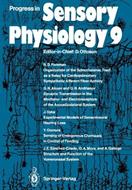
Progress in Sensory Physiology 9
(0)
Cliccando su “Conferma” dichiari che il contenuto da te inserito è conforme alle Condizioni Generali d’Uso del Sito ed alle Linee Guida sui Contenuti Vietati. Puoi rileggere e modificare e successivamente confermare il tuo contenuto. Tra poche ore lo troverai online (in caso contrario verifica la conformità del contenuto alle policy del Sito).
Grazie per la tua recensione!
Tra poche ore la vedrai online (in caso contrario verifica la conformità del testo alle nostre linee guida). Dopo la pubblicazione per te +4 punti 

138,00 €
+1380
punti 
Venditore: IBS
Articolo acquistabile con Carta del Docente

Articolo acquistabile con Carta Cultura Giovani e Carta del Merito

Articolo acquistabile con Carta della Cultura

Paga con Klarna in 3 rate senza interessi per ordini superiori a 39 €

Dati e Statistiche
 Salvato in 0 liste dei desideri
Salvato in 0 liste dei desideri
Progress in Sensory Physiology 9
Disponibilità in 2 settimane
138,00 €
138,00 €
Disponibilità in 2 settimane
Altre offerte vendute e spedite dai nostri venditori
Libri in Inglese
Progress in Sensory Physiology 9
Altri venditori
Prezzo e spese di spedizione

LIBRO INGLESE
Disponibilità in 2 settimane

Venduto e spedito da
IBS
Spedizione Gratis
138,00 €
Altri venditori
Prezzo e spese di spedizione
LIBRO INGLESE
Disponibilità in 2 settimane
Venduto e spedito da
IBS
Spedizione Gratis
138,00 €
Altri venditori
Prezzo e spese di spedizione

Tutti i formati ed edizioni

Promo attive (1)
Sympathetic afferent fibers originate from a visceral organ, course in the thoracolumbar rami communicantes, have cell bodies located in dorsal root ganglia, and terminate in the gray matter of the spinal cord. Sympathetic afferent fibers from the heart transmit information about noxious stimuli associated with myocardial ischemia, i. e. angina pectoris. Previous reviews have described the characteristics of cardiovascular sympathetic afferent fibers (Bishop et al. 1983; Malliani 1982). This review summarizes that work and focuses on the neural mechanisms underlying the complexities of angina pectoris. In order to understand anginal pain, cells forming the classical pain pathway, the spinothalamic tract (STn, were chosen for study. These cells were chosen to address questions about anginal pain because they transmit nociceptive informa of pain. Antidromic tion to brain regions that are involved in the perception activation of STT cells provided a means of identifying cells involved with trans mission of nociceptive information in anesthetized animals. Other ascending pathways may also transmit nociceptive information, but many studies show that the STT plays an important role. Visceral pain is commonly referred to overlying somatic structures. The pain of angina pectoris can be sensed over a wide area of the thorax: in the retrosternal, precordial anterior thoracic, and anterior cervical regions of the chest; in the left or sometimes even the right shoulder, arm, wrist, or hand; or in the jaw and teeth (Harrison and Reeves 1968).
Leggi di più
Leggi di meno
Collana:
Progress in Sensory Physiology
Anno:
2011
Rilegatura:
Paperback / softback
Pagine:
227 p.
Testo in English
Dimensioni:
244 x 170 mm
EAN:
9783642740602

L'articolo è stato aggiunto al carrello
Informazioni e Contatti sulla Sicurezza dei Prodotti
Le schede prodotto sono aggiornate in conformità al Regolamento UE 988/2023. Laddove ci fossero taluni dati non disponibili per ragioni indipendenti da IBS, vi informiamo che stiamo compiendo ogni ragionevole sforzo per inserirli. Vi invitiamo a controllare periodicamente il sito www.ibs.it per eventuali novità e aggiornamenti.
Per le vendite di prodotti da terze parti, ciascun venditore si assume la piena e diretta responsabilità per la commercializzazione del prodotto e per la sua conformità al Regolamento UE 988/2023, nonché alle normative nazionali ed europee vigenti.
Per informazioni sulla sicurezza dei prodotti, contattare productsafetyibs@feltrinelli.it
L’articolo è stato aggiunto alla lista dei desideri
