

L’articolo è stato aggiunto alla lista dei desideri








LIBRO INGLESE
 E-mail
 Facebook
 LinkedIn
 Twitter
 WhatsApp
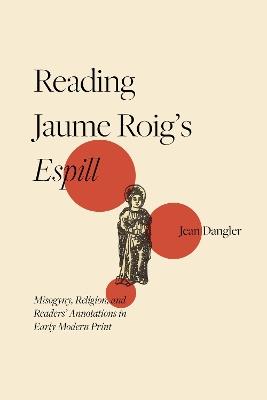
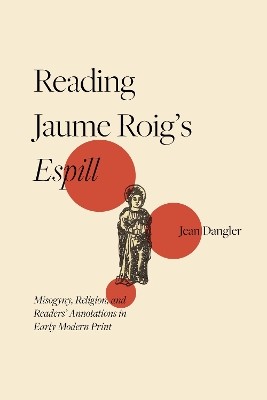
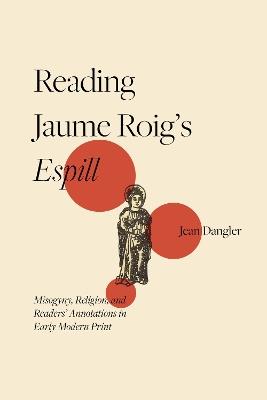
Reading Jaume Roig’s Espill: Misogyny, Religion, and Readers’ Annotations in Early Modern Print
(0)
Cliccando su “Conferma” dichiari che il contenuto da te inserito è conforme alle Condizioni Generali d’Uso del Sito ed alle Linee Guida sui Contenuti Vietati. Puoi rileggere e modificare e successivamente confermare il tuo contenuto. Tra poche ore lo troverai online (in caso contrario verifica la conformità del contenuto alle policy del Sito).
Grazie per la tua recensione!
Tra poche ore la vedrai online (in caso contrario verifica la conformità del testo alle nostre linee guida). Dopo la pubblicazione per te +4 punti 
116,00 €
+1160
punti 
Venditore: IBS
Articolo acquistabile con Carta del Docente

Articolo acquistabile con Carta Cultura Giovani e Carta del Merito

Articolo acquistabile con Carta della Cultura

Paga con Klarna in 3 rate senza interessi per ordini superiori a 39 €

Dati e Statistiche
 Salvato in 0 liste dei desideri
Salvato in 0 liste dei desideri
Reading Jaume Roig’s Espill: Misogyny, Religion, and Readers’ Annotations in Early Modern Print
Disponibilità in 2 settimane
116,00 €
116,00 €
Disponibilità in 2 settimane
Altre offerte vendute e spedite dai nostri venditori
Libri in Inglese
Reading Jaume Roig’s Espill: Misogyny, Religion, and Readers’ Annotations in Early Modern Print
Altri venditori
Prezzo e spese di spedizione
LIBRO INGLESE
Disponibilità in 2 settimane

Venduto e spedito da
IBS
Spedizione Gratis
116,00 €
Altri venditori
Prezzo e spese di spedizione
LIBRO INGLESE
Disponibilità in 2 settimane
Venduto e spedito da
IBS
Spedizione Gratis
116,00 €
Altri venditori
Prezzo e spese di spedizione

Tutti i formati ed edizioni
Promo attive (0)
What lessons did readers take from the Espill (The Mirror)? This book examines key marginalia in sixteenth-century printed copies of the fictional, pedagogic tale about the alleged dangers of earthly women composed by Valencian physician Jaume Roig. Written in Catalan verse in approximately 1460, the Espill focuses on two main themes, misogyny and religious material, including the critique of religious personnel but also absolute praise of the Virgin Mary. More than 50 printed copies of the work exist today, an extraordinary number for the period. The book argues that readers seemed to interpret contrasting secular misogyny and holy topics as harmonious, with the Espill's misogyny synchronizing with its religious message and materials. Readers appear to have considered the Espill as a guide, whether with regard to biblical stories and lessons, women's menstruation, or women's shameful character, and did not demonstrate outrage or perplexity about women's portrayal. The annotative evidence, previously overlooked, sheds light on misogyny's relationship to larger systems of power and on the broader connection between women's depiction in the Espill and in Isabel de Villena's proto-feminist Vita Christi, both of which derived from Valencia's same late fifteenth-century social and professional milieu.
Leggi di più
Leggi di meno
Autore:
Editore:
Collana:
Monografías A
Anno:
2025
Rilegatura:
Hardback
Pagine:
190 p.
Testo in English
Dimensioni:
234 x 156 mm
Peso:
666 gr.
EAN:
9781855664166

L'articolo è stato aggiunto al carrello
Informazioni e Contatti sulla Sicurezza dei Prodotti
Le schede prodotto sono aggiornate in conformità al Regolamento UE 988/2023. Laddove ci fossero taluni dati non disponibili per ragioni indipendenti da IBS, vi informiamo che stiamo compiendo ogni ragionevole sforzo per inserirli. Vi invitiamo a controllare periodicamente il sito www.ibs.it per eventuali novità e aggiornamenti.
Per le vendite di prodotti da terze parti, ciascun venditore si assume la piena e diretta responsabilità per la commercializzazione del prodotto e per la sua conformità al Regolamento UE 988/2023, nonché alle normative nazionali ed europee vigenti.
Per informazioni sulla sicurezza dei prodotti, contattare productsafetyibs@feltrinelli.it
L’articolo è stato aggiunto alla lista dei desideri
