

L’articolo è stato aggiunto alla lista dei desideri








LIBRO INGLESE
 E-mail
 Facebook
 LinkedIn
 Twitter
 WhatsApp
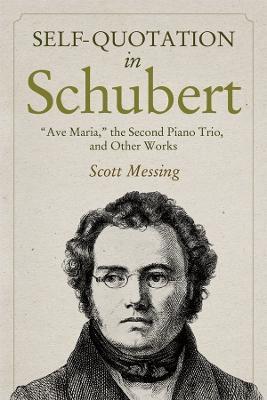
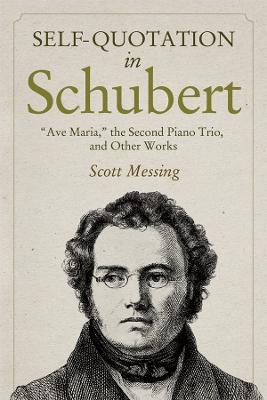
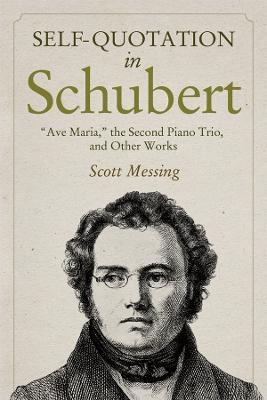
Self-Quotation in Schubert: Ave Maria, the Second Piano Trio, and Other Works
(0)
Cliccando su “Conferma” dichiari che il contenuto da te inserito è conforme alle Condizioni Generali d’Uso del Sito ed alle Linee Guida sui Contenuti Vietati. Puoi rileggere e modificare e successivamente confermare il tuo contenuto. Tra poche ore lo troverai online (in caso contrario verifica la conformità del contenuto alle policy del Sito).
Grazie per la tua recensione!
Tra poche ore la vedrai online (in caso contrario verifica la conformità del testo alle nostre linee guida). Dopo la pubblicazione per te +4 punti 
125,10 €
+1250
punti 
Venditore: IBS
Articolo acquistabile con Carta del Docente

Articolo acquistabile con Carta Cultura Giovani e Carta del Merito

Articolo acquistabile con Carta della Cultura

Paga con Klarna in 3 rate senza interessi per ordini superiori a 39 €

Dati e Statistiche
 Salvato in 0 liste dei desideri
Salvato in 0 liste dei desideri
Self-Quotation in Schubert: Ave Maria, the Second Piano Trio, and Other Works
Disponibilità in 2 settimane
125,10 €
125,10 €
Disponibilità in 2 settimane
Altre offerte vendute e spedite dai nostri venditori
Libri in Inglese
Self-Quotation in Schubert: Ave Maria, the Second Piano Trio, and Other Works
Altri venditori
Prezzo e spese di spedizione
LIBRO INGLESE
Disponibilità in 2 settimane

Venduto e spedito da
IBS
Spedizione Gratis
125,10 €
Altri venditori
Prezzo e spese di spedizione
LIBRO INGLESE
Disponibilità in 2 settimane
Venduto e spedito da
IBS
Spedizione Gratis
125,10 €
Altri venditori
Prezzo e spese di spedizione

Tutti i formati ed edizioni
Promo attive (0)
Examines the history of musical self-quotation, and reveals and explores a previously unidentified case of Schubert quoting one of his own songs in a major instrumental work. Enthusiasts and experts have long relished Schubert's quotations of his own music. This study centers on a previously unidentified pairing: "Ave Maria," one of his most beloved songs, and the Piano Trio no. 2, a masterpiece that holds a unique position in his career. Messing's Self-Quotation in Schubert interrogates the concept of self-quotation from the standpoints of terminology and authorial intent, and it demonstrates, for the first time, how Schubert's practice of self-quotation relates to prevailing practices in the late eighteenth and early nineteenth centuries. Messing goes on to analyze in detail the musical relationships between the two works and to investigate thecircumstances that led Schubert to compose each of them. "Ave Maria" is one of the few Schubert songs for which we have documentation of some early private performances, and the trio stood at the heart of Schubert's only public concert devoted to his works. Messing establishes that Schubert sought to convey an associative meaning with this self-quotation, trusting in his contemporaries' familiarity with the original melody and with Walter Scott's poem, a text that carried profound resonances in Catholic Vienna. Scrutinizing this evidence yields the symbolic purpose behind Schubert's allusion to "Ave Maria" in the piano trio: honoring the recently deceased Beethoven andvalidating Schubert as his legatee. SCOTT MESSING is Charles A. Dana Professor of Music Emeritus at Alma College.
Leggi di più
Leggi di meno
Autore:
Editore:
Collana:
Eastman Studies in Music
Anno:
2020
Rilegatura:
Hardback
Pagine:
334 p.
Testo in English
Dimensioni:
229 x 152 mm
Peso:
588 gr.
EAN:
9781580469654

L'articolo è stato aggiunto al carrello
Informazioni e Contatti sulla Sicurezza dei Prodotti
Le schede prodotto sono aggiornate in conformità al Regolamento UE 988/2023. Laddove ci fossero taluni dati non disponibili per ragioni indipendenti da IBS, vi informiamo che stiamo compiendo ogni ragionevole sforzo per inserirli. Vi invitiamo a controllare periodicamente il sito www.ibs.it per eventuali novità e aggiornamenti.
Per le vendite di prodotti da terze parti, ciascun venditore si assume la piena e diretta responsabilità per la commercializzazione del prodotto e per la sua conformità al Regolamento UE 988/2023, nonché alle normative nazionali ed europee vigenti.
Per informazioni sulla sicurezza dei prodotti, contattare productsafetyibs@feltrinelli.it
L’articolo è stato aggiunto alla lista dei desideri
