

L’articolo è stato aggiunto alla lista dei desideri










EBOOK IN LINGUA STRANIERA
 E-mail
 Facebook
 LinkedIn
 Twitter
 WhatsApp
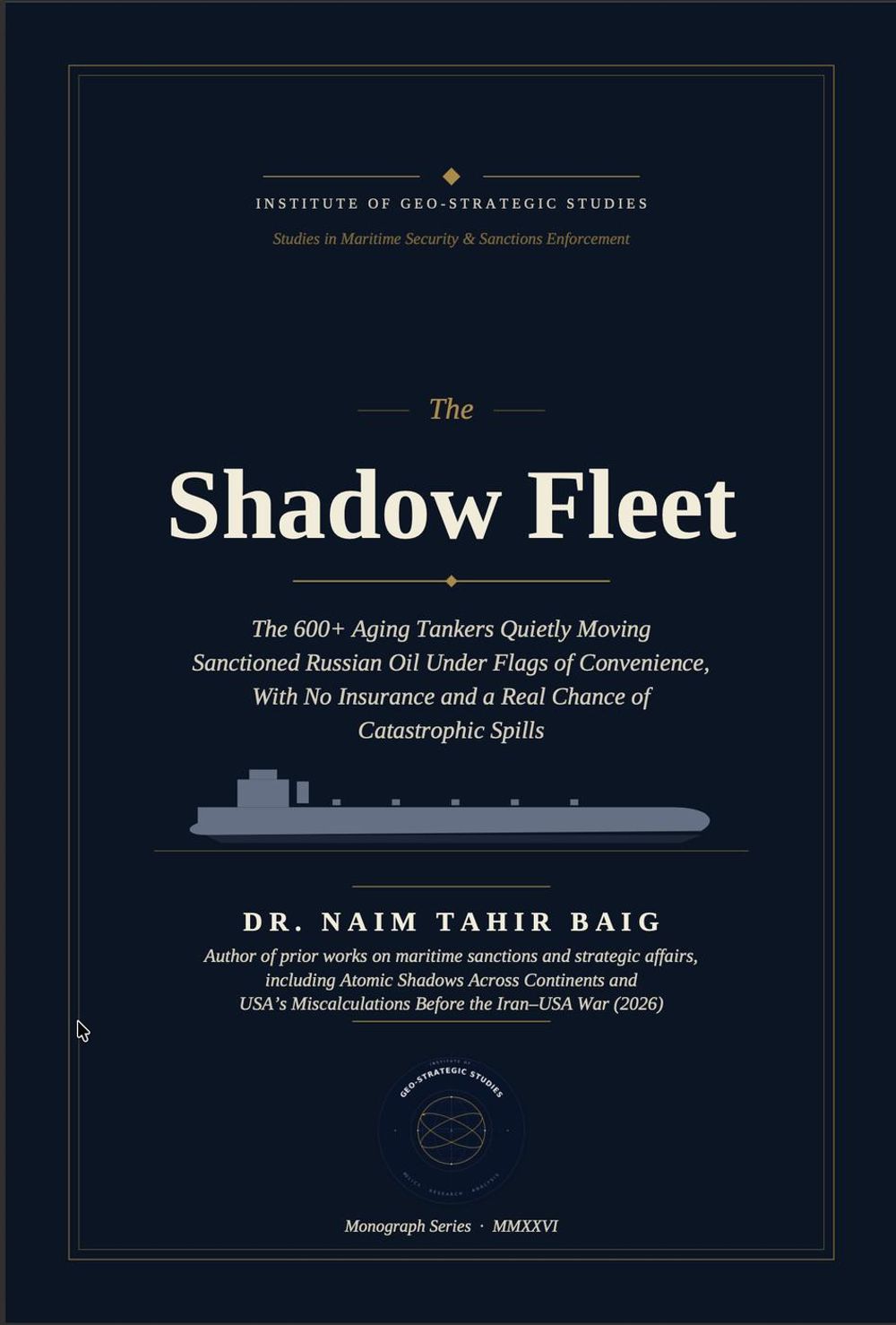
The Shadow Fleet
(0)
Cliccando su “Conferma” dichiari che il contenuto da te inserito è conforme alle Condizioni Generali d’Uso del Sito ed alle Linee Guida sui Contenuti Vietati. Puoi rileggere e modificare e successivamente confermare il tuo contenuto. Tra poche ore lo troverai online (in caso contrario verifica la conformità del contenuto alle policy del Sito).
Grazie per la tua recensione!
Tra poche ore la vedrai online (in caso contrario verifica la conformità del testo alle nostre linee guida). Dopo la pubblicazione per te +4 punti 
8,99 €
+90
punti 
Venditore: IBS

Acquista online
Scaricabile subito
Articolo acquistabile con Carta del Docente

Articolo acquistabile con Carta Cultura Giovani e Carta del Merito

Articolo acquistabile con Carta della Cultura

Abbonati a Kobo plus per avere accesso illimitato a questo contenuto

Dati e Statistiche
 Salvato in 0 liste dei desideri
Salvato in 0 liste dei desideri
The Shadow Fleet
Scaricabile subito
8,99 €
8,99 €
Scaricabile subito
Altre offerte vendute e spedite dai nostri venditori

Ebook in lingua straniera
The Shadow Fleet
Altri venditori
Prezzo e spese di spedizione
EBOOK INGLESE
EPUB2 con DRMFREE
Scaricabile subito

Venduto e spedito da
IBS
Spedizione Gratis
8,99 €
Altri venditori
Prezzo e spese di spedizione
EBOOK INGLESE
EPUB2 con DRMFREE
Scaricabile subito
Venduto e spedito da
IBS
Spedizione Gratis
8,99 €
Altri venditori
Prezzo e spese di spedizione

Tutti i formati ed edizioni

Promo attive (0)
The Shadow Fleet
BOOK DESCRIPTION The Shadow Fleet: The 600+ Aging Tankers Quietly Moving Sanctioned Russian Oil Under Flags of Convenience, With No Insurance and a Real Chance of Catastrophic Spills Dr. Naim Tahir Baig On 15 December 2024, two Soviet-era river tankers broke apart in a Black Sea storm just south of the Kerch Strait. They were carrying Rosneft heavy fuel oil designated for the Kavkaz transshipment area. One crewman died. Approximately 3,700 to 4,000 tonnes of Rosneft mazut poured into waters already ecologically stressed by war. Roughly sixty kilometres of coastline turned black, with oil eventually reaching as far as Sevastopol and Feodosia. The vessels — Volgoneft-212and Volgoneft-239 — were Project 1577 Volgoneft tankers originally designed for inland waterways, each over fifty years old, Russian-flagged, and without credible international insurance. They were, in every meaningful sense, ghost ships — and they were far from alone. The Shadow Fleet is the first full-length, rigorously sourced account of the parallel maritime world that has grown up since Russia's full-scale invasion of Ukraine in February 2022. Numbering more than six hundred vessels designated by the European Union by December 2025 — with some estimates placing the broader phenomenon above one thousand tankers when Iranian and Venezuelan trades are included — this armada of aging hulls operates beyond the reach of mainstream classification societies, outside the coverage of the International Group of P&I Clubs, and beneath the threshold of effective enforcement by the international regulatory bodies that govern the world's oceans. It exists for a single commercial purpose: to move sanctioned Russian crude and petroleum products to buyers in Asia and elsewhere while evading the G7 price cap, the European Union's seaborne embargo under Council Regulation (EU) 2022/879, and the sanctions programmes of the United States, the United Kingdom, and their partners. The book is structured in three interlocking parts. Part I anatomises the fleet itself: its composition by vessel type and age — with an average hull age of approximately eighteen years, near the end of a tanker's normal commercial life — the web of shell companies and free-zone intermediaries in UAE and Hong Kong jurisdictions that conceal its true ownership, the flag registries of Gabon, the Cook Islands, Cameroon, and São Tomé and Príncipe that provide legal cover, and the classification societies that have filled the vacuum left by the departure of IACS-member class societies. Part II exposes the mechanics of opacity: the manipulation of the Automatic Identification System, the choreography of ship-to-ship transfers across the Laconian Gulf and the Gulf of Oman, the fake insurance certificates traced to letterbox entities in Cameroon and Kyrgyzstan, and the trader networks — including Guron Trading Limited (Hong Kong), Nord Axis Ltd, and Tejarinaft FZCO — designated in the landmark OFAC action of 10 January 2025. Part III confronts the consequences: the mounting environmental toll from the Kerch Strait to the Singapore Strait, the hybrid-warfare dimension illustrated by the Eagle S crossing the Estlink 2 undersea power cable on 25 December 2024, and the accelerating international response — from NATO's Baltic Sentry mission launched on 14 January 2025 to Ukrainian Security Service drone strikes on shadow-fleet tankers in the Black Sea in late November 2025. The Shadow Fleet provides that account. It is essential reading for policymakers, maritime lawyers, energy-sector analysts, environmental advocates, intelligence professionals, and anyone who wishes to understand how the global oil market actually functions in an age of sanctions — and what the cost of that functioning may yet be.
Leggi di più
Leggi di meno
Autore:
Anno edizione:
2026
Editore:
Formato:
Lingua:
Inglese
Compatibilità:
Tutti i dispositivi (eccetto Kindle) Scopri di più
Layout:
Reflowable
EAN:
9798235146709
L'articolo è stato aggiunto al carrello
Formato:
Gli eBook venduti da IBS.it sono in formato ePub e possono essere protetti da Adobe DRM. In caso di download di un file protetto da DRM si otterrà un file in formato .acs, (Adobe Content Server Message), che dovrà essere aperto tramite Adobe Digital Editions e autorizzato tramite un account Adobe, prima di poter essere letto su pc o trasferito su dispositivi compatibili.
Cloud:
Gli eBook venduti da IBS.it sono sincronizzati automaticamente su tutti i client di lettura Kobo successivamente all’acquisto. Grazie al Cloud Kobo i progressi di lettura, le note, le evidenziazioni vengono salvati e sincronizzati automaticamente su tutti i dispositivi e le APP di lettura Kobo utilizzati per la lettura.
Clicca qui per sapere come scaricare gli ebook utilizzando un pc con sistema operativo Windows
L’articolo è stato aggiunto alla lista dei desideri
