

L’articolo è stato aggiunto alla lista dei desideri






LIBRO INGLESE
 E-mail
 Facebook
 LinkedIn
 Twitter
 WhatsApp
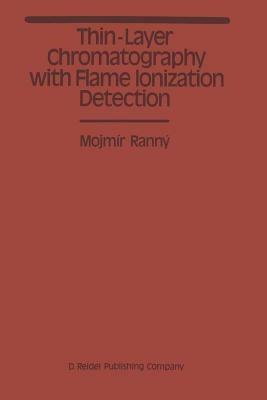
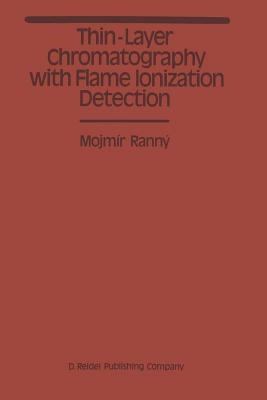
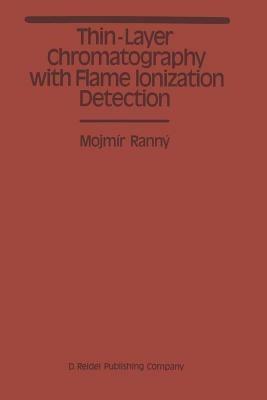
Thin-Layer Chromatography with Flame Ionization Detection
(0)
Cliccando su “Conferma” dichiari che il contenuto da te inserito è conforme alle Condizioni Generali d’Uso del Sito ed alle Linee Guida sui Contenuti Vietati. Puoi rileggere e modificare e successivamente confermare il tuo contenuto. Tra poche ore lo troverai online (in caso contrario verifica la conformità del contenuto alle policy del Sito).
Grazie per la tua recensione!
Tra poche ore la vedrai online (in caso contrario verifica la conformità del testo alle nostre linee guida). Dopo la pubblicazione per te +4 punti 
68,80 €

Venditore: IBS
Articolo acquistabile con Carta del Docente

Articolo acquistabile con Carta Cultura Giovani e Carta del Merito

Articolo acquistabile con Carta della Cultura

Paga con Klarna in 3 rate senza interessi per ordini superiori a 39 €

Dati e Statistiche
 Salvato in 0 liste dei desideri
Salvato in 0 liste dei desideri
Thin-Layer Chromatography with Flame Ionization Detection
Disponibilità in 2 settimane
68,80 €
68,80 €
Disponibilità in 2 settimane
Altre offerte vendute e spedite dai nostri venditori
Libri in Inglese
Thin-Layer Chromatography with Flame Ionization Detection
Altri venditori
Prezzo e spese di spedizione
LIBRO INGLESE
Disponibilità in 2 settimane

Venduto e spedito da
IBS
Spedizione Gratis
68,80 €
Altri venditori
Prezzo e spese di spedizione
LIBRO INGLESE
Disponibilità in 2 settimane
Venduto e spedito da
IBS
Spedizione Gratis
68,80 €
Altri venditori
Prezzo e spese di spedizione

Tutti i formati ed edizioni
Promo attive (0)
Thin-layer chromatography (TLC) has become a common and much favoured separation technique in laboratories in widely varied fields in recent years. Much of the credit for the introduction of this technique into analytical practice at the l 2 end of the 1950s is due to E. Stahl • • This method is simple and is characterized by high separation ability and sufficient sensitivity3; however, some analysts feel that it has passed the peak in its development and will gradually be replaced by the more modem high-performance liquid chromatography (HPLC). This is undoubtedly a very important analytical technique utilizing the specific separa tion properties of a large number of sorbents and the possibility of regulating 4 the flow-rate of the mobile phase by adjusting the pressure • Standardization of the experimental conditions is simpler in HPLC than in TLC, where the activity of the sorbent and flow-rate of the eitlent in the thin layer depend markedly on the relative humidity of the laboratory atmosphere and on the composition of the gaseous phase in the elution chamber. In addition, systems for quantitative detection of the separated ~ones are better developed for HPLC than for classical TLC, where, until recently, cumbersome and often even insufficiently reproducible chemical or gravimetric analysis of the extracts of scraped-off spots or densitometry of the separated zones, located first by pyrolysis or reaction s with suitable detection agents, were the predominant determination methods .
Leggi di più
Leggi di meno

L'articolo è stato aggiunto al carrello
Informazioni e Contatti sulla Sicurezza dei Prodotti
Le schede prodotto sono aggiornate in conformità al Regolamento UE 988/2023. Laddove ci fossero taluni dati non disponibili per ragioni indipendenti da IBS, vi informiamo che stiamo compiendo ogni ragionevole sforzo per inserirli. Vi invitiamo a controllare periodicamente il sito www.ibs.it per eventuali novità e aggiornamenti.
Per le vendite di prodotti da terze parti, ciascun venditore si assume la piena e diretta responsabilità per la commercializzazione del prodotto e per la sua conformità al Regolamento UE 988/2023, nonché alle normative nazionali ed europee vigenti.
Per informazioni sulla sicurezza dei prodotti, contattare productsafetyibs@feltrinelli.it
L’articolo è stato aggiunto alla lista dei desideri
