

L’articolo è stato aggiunto alla lista dei desideri








LIBRO INGLESE
 E-mail
 Facebook
 LinkedIn
 Twitter
 WhatsApp
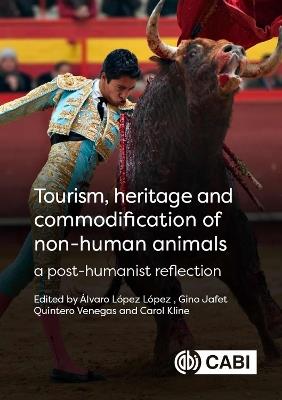
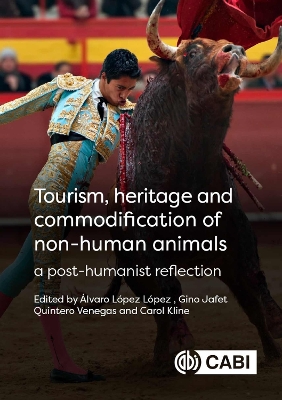
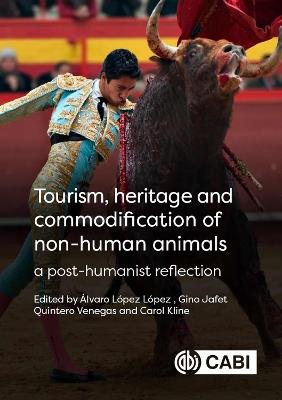
Tourism, Heritage and Commodification of Non-human Animals: A Posthumanist Reflection
(0)
Cliccando su “Conferma” dichiari che il contenuto da te inserito è conforme alle Condizioni Generali d’Uso del Sito ed alle Linee Guida sui Contenuti Vietati. Puoi rileggere e modificare e successivamente confermare il tuo contenuto. Tra poche ore lo troverai online (in caso contrario verifica la conformità del contenuto alle policy del Sito).
Grazie per la tua recensione!
Tra poche ore la vedrai online (in caso contrario verifica la conformità del testo alle nostre linee guida). Dopo la pubblicazione per te +4 punti 

118,46 €

-5%
124,69 €
+1180
punti
Venditore: IBS
Articolo acquistabile con Carta del Docente

Articolo acquistabile con Carta Cultura Giovani e Carta del Merito

Articolo acquistabile con Carta della Cultura

Paga con Klarna in 3 rate senza interessi per ordini superiori a 39 €

Dati e Statistiche
 Salvato in 0 liste dei desideri
Salvato in 0 liste dei desideri
Tourism, Heritage and Commodification of Non-human Animals: A Posthumanist Reflection
Disponibile in 5 gg lavorativi
118,46 €
-5%
124,69 €
118,46 €
124,69 €
-5%
Disponibile in 5 gg lavorativi
Altre offerte vendute e spedite dai nostri venditori
Libri in Inglese
Tourism, Heritage and Commodification of Non-human Animals: A Posthumanist Reflection
Altri venditori
Prezzo e spese di spedizione
LIBRO INGLESE
Disponibile in 5 gg lavorativi

Venduto e spedito da
IBS
Spedizione Gratis
-5%
124,69 €
118,46 €
Altri venditori
Prezzo e spese di spedizione
LIBRO INGLESE
Disponibile in 5 gg lavorativi
Venduto e spedito da
IBS
Spedizione Gratis
-5%
124,69 €
118,46 €
Altri venditori
Prezzo e spese di spedizione

Tutti i formati ed edizioni
Promo attive (1)
Heritage is a social construction rooted in modern and contemporary societies. It is commonly a positive assessment of many elements of the physical and human environment (e.g. ecosystems and landscapes, monuments, customs, gender norms, religious practices, gastronomy, and livelihoods). Heritage and tourism are strongly related to each other in that heritage gives rise to tourist attractions and activities, and tourism enhances the designation of heritage sites. Non-human animals (hereafter 'animals') are present as implicit or explicit heritage elements through multiple tourist environments: animals may be themselves the heritage focus of tourist interest (visual arts, gastronomy, as charismatic and distinguished beings, as part of festivities or rituals), or it may be that animals are agents involved in heritage tourist environments such as working animals or in recreational activities. A post-humanist perspective the moral valuation of equality between humans and other animals demands that both are sentient beings and self-aware of their pain and pleasure. Thus, the involvement of animals as heritage elements by themselves or as an element of tourist consumption in heritage sites implies their commodification and lack of agency. As such, these practices are usually unethical, since they threaten the animals' primary interests: not to suffer, not to feel pain and to be able to live their freedom. This book contains chapters that reveal both the unethical interactions between humans and animals within heritage tourism, and those that show experiences in which efforts are made to minimize damage within the commercialization of animals involved as heritage themselves. It will be of interest to postgraduate students, academics, NGOs and tourism planners.
Leggi di più
Leggi di meno
Curatore:
Editore:
Anno:
2023
Rilegatura:
Hardback
Pagine:
208 p.
Testo in English
Dimensioni:
244 x 172 mm
EAN:
9781800623286

L'articolo è stato aggiunto al carrello
Informazioni e Contatti sulla Sicurezza dei Prodotti
Le schede prodotto sono aggiornate in conformità al Regolamento UE 988/2023. Laddove ci fossero taluni dati non disponibili per ragioni indipendenti da IBS, vi informiamo che stiamo compiendo ogni ragionevole sforzo per inserirli. Vi invitiamo a controllare periodicamente il sito www.ibs.it per eventuali novità e aggiornamenti.
Per le vendite di prodotti da terze parti, ciascun venditore si assume la piena e diretta responsabilità per la commercializzazione del prodotto e per la sua conformità al Regolamento UE 988/2023, nonché alle normative nazionali ed europee vigenti.
Per informazioni sulla sicurezza dei prodotti, contattare productsafetyibs@feltrinelli.it
L’articolo è stato aggiunto alla lista dei desideri
