

L’articolo è stato aggiunto alla lista dei desideri








LIBRO INGLESE
 E-mail
 Facebook
 LinkedIn
 Twitter
 WhatsApp
The Use of Historical Data in Natural Hazard Assessments
(0)
Cliccando su “Conferma” dichiari che il contenuto da te inserito è conforme alle Condizioni Generali d’Uso del Sito ed alle Linee Guida sui Contenuti Vietati. Puoi rileggere e modificare e successivamente confermare il tuo contenuto. Tra poche ore lo troverai online (in caso contrario verifica la conformità del contenuto alle policy del Sito).
Grazie per la tua recensione!
Tra poche ore la vedrai online (in caso contrario verifica la conformità del testo alle nostre linee guida). Dopo la pubblicazione per te +4 punti 
205,60 €
+2060
punti 
Venditore: IBS
Articolo acquistabile con Carta del Docente

Articolo acquistabile con Carta Cultura Giovani e Carta del Merito

Articolo acquistabile con Carta della Cultura

Paga con Klarna in 3 rate senza interessi per ordini superiori a 39 €

Dati e Statistiche
 Salvato in 0 liste dei desideri
Salvato in 0 liste dei desideri
The Use of Historical Data in Natural Hazard Assessments
Disponibilità in 2 settimane
205,60 €
205,60 €
Disponibilità in 2 settimane
Altre offerte vendute e spedite dai nostri venditori
Libri in Inglese
The Use of Historical Data in Natural Hazard Assessments
Altri venditori
Prezzo e spese di spedizione
LIBRO INGLESE
Disponibilità in 2 settimane

Venduto e spedito da
IBS
Spedizione Gratis
205,60 €
Altri venditori
Prezzo e spese di spedizione
LIBRO INGLESE
Disponibilità in 2 settimane
Venduto e spedito da
IBS
Spedizione Gratis
205,60 €
Altri venditori
Prezzo e spese di spedizione

Tutti i formati ed edizioni
Promo attive (0)
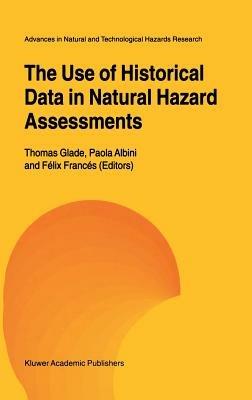
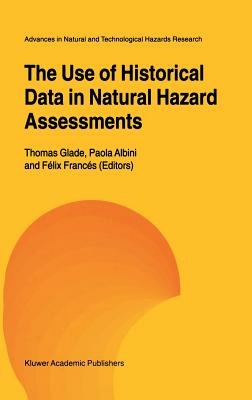
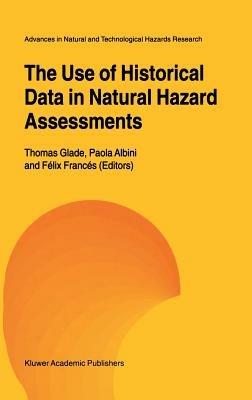
Natural hazards such as earthquakes, landslides, floods, volcanic eruptions, tsunamis, and hurricanes cause environmental, economic as well as sociological problems worldwide. In recent years, greater availability of information and sensational media reports of natural hazard occurrence -and in particular in terms of property damage or loss oflife caused by these hazards -resulted in an increase of hazard awareness at a societal level. This increase in public awareness has often been misconstrued as an indication that natural hazards have been occurring more frequently with higher magnitudes in recent years/decades, thus causing more damage than in the past. It is still under debate, however, to which extent recent increases in damage can be related to changing frequencies of natural processes, or whether catastrophic events occur at similar rates as they always had. If the latter is the case, the reason for a greater damage can be related to dramatic population growth over the last century, with a substantial augmentation of population density in some regions. Indeed, the implications are more server in underdeveloped and developing countries, where urbanisation has increasingly occurred in hazard prone areas such as coastal zones, alluvial river plains and steep slopes, thus causing an increase in the exposure to natural hazards. Some groups of society in wealthy countries accept higher risks in order to live directly on top of a cliff or on a steep slope to enjoy panoramic views of the landscape.
Leggi di più
Leggi di meno
Curatore:
Editore:
Collana:
Advances in Natural and Technological Hazards Research
Anno:
2001
Rilegatura:
Hardback
Pagine:
222 p.
Testo in English
Dimensioni:
233 x 155 mm
EAN:
9780792371540

L'articolo è stato aggiunto al carrello
Informazioni e Contatti sulla Sicurezza dei Prodotti
Le schede prodotto sono aggiornate in conformità al Regolamento UE 988/2023. Laddove ci fossero taluni dati non disponibili per ragioni indipendenti da IBS, vi informiamo che stiamo compiendo ogni ragionevole sforzo per inserirli. Vi invitiamo a controllare periodicamente il sito www.ibs.it per eventuali novità e aggiornamenti.
Per le vendite di prodotti da terze parti, ciascun venditore si assume la piena e diretta responsabilità per la commercializzazione del prodotto e per la sua conformità al Regolamento UE 988/2023, nonché alle normative nazionali ed europee vigenti.
Per informazioni sulla sicurezza dei prodotti, contattare productsafetyibs@feltrinelli.it
L’articolo è stato aggiunto alla lista dei desideri
