

L’articolo è stato aggiunto alla lista dei desideri









EBOOK IN LINGUA STRANIERA
 E-mail
 Facebook
 LinkedIn
 Twitter
 WhatsApp
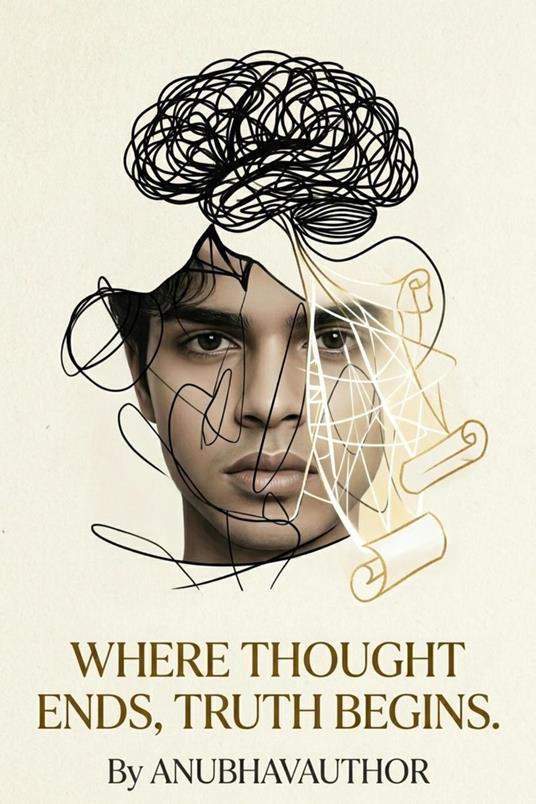
Where Thought Ends Truth Begins
(0)
Cliccando su “Conferma” dichiari che il contenuto da te inserito è conforme alle Condizioni Generali d’Uso del Sito ed alle Linee Guida sui Contenuti Vietati. Puoi rileggere e modificare e successivamente confermare il tuo contenuto. Tra poche ore lo troverai online (in caso contrario verifica la conformità del contenuto alle policy del Sito).
Grazie per la tua recensione!
Tra poche ore la vedrai online (in caso contrario verifica la conformità del testo alle nostre linee guida). Dopo la pubblicazione per te +4 punti 
6,99 €
+70
punti 
Venditore: IBS

Acquista online
Scaricabile subito
Articolo acquistabile con Carta del Docente

Articolo acquistabile con Carta Cultura Giovani e Carta del Merito

Articolo acquistabile con Carta della Cultura

Abbonati a Kobo plus per avere accesso illimitato a questo contenuto

Dati e Statistiche
 Salvato in 0 liste dei desideri
Salvato in 0 liste dei desideri
Where Thought Ends Truth Begins
Scaricabile subito
6,99 €
6,99 €
Scaricabile subito
Altre offerte vendute e spedite dai nostri venditori

Ebook in lingua straniera
Where Thought Ends Truth Begins
Altri venditori
Prezzo e spese di spedizione
EBOOK INGLESE
EPUB2 con DRMFREE
Scaricabile subito

Venduto e spedito da
IBS
Spedizione Gratis
6,99 €
Altri venditori
Prezzo e spese di spedizione
EBOOK INGLESE
EPUB2 con DRMFREE
Scaricabile subito
Venduto e spedito da
IBS
Spedizione Gratis
6,99 €
Altri venditori
Prezzo e spese di spedizione

Tutti i formati ed edizioni

Promo attive (0)
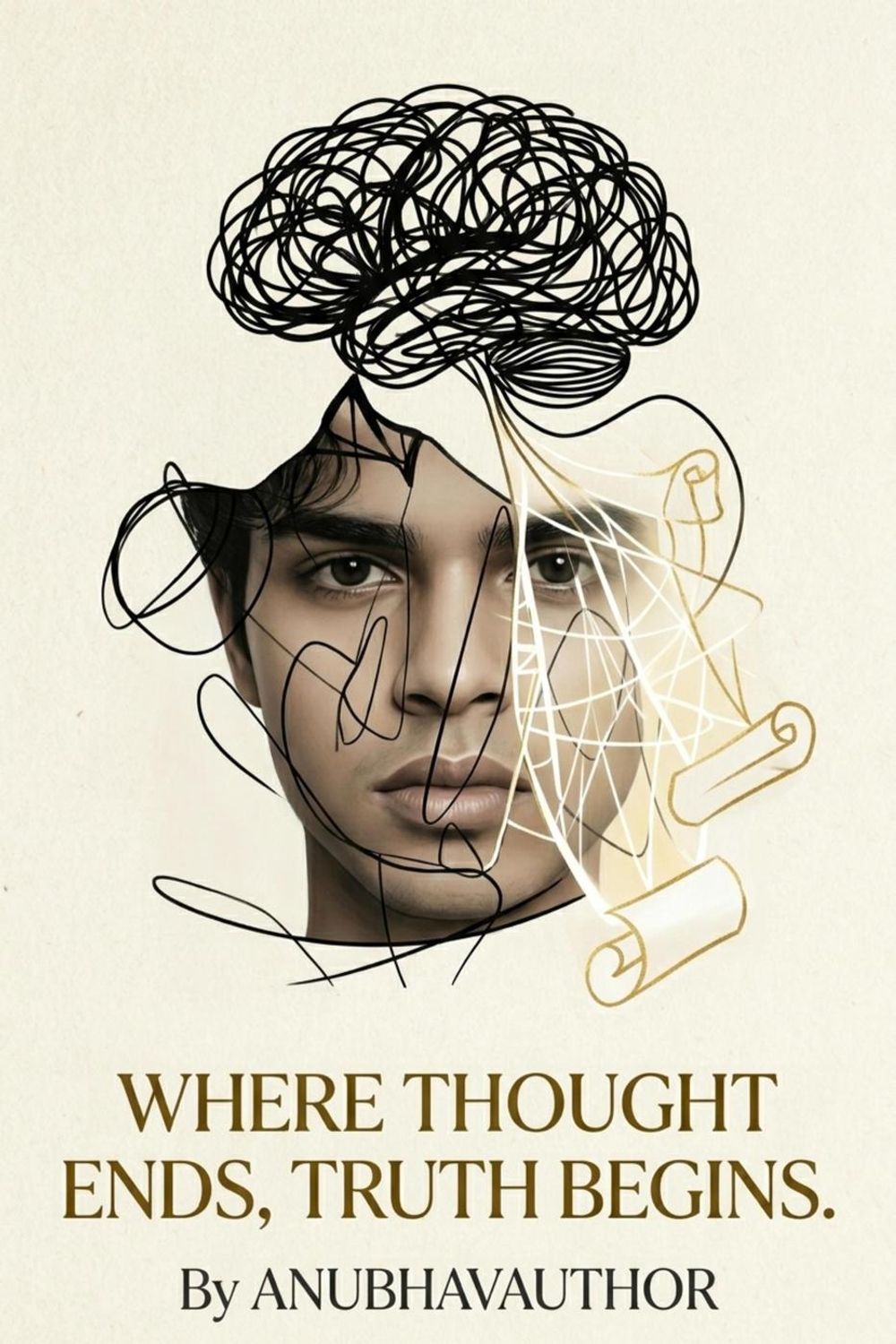
Where Thought Ends Truth Begins
Upon hearing this nectar-like speech—[...]—one realizes that the Supreme Reality (Brahman) is like a spider that weaves a web and then gathers it back in. Whatever the Supreme Soul or God may be—whatever that ultimate reality is—why does He create the universe, and why does He withdraw it? Does anyone else have a question? [To Anil-ji]: Please look behind you, Anil-ji; check if anyone has raised their hand. Regarding the subject of creation, there are numerous descriptions and accounts. However, there are certain concepts that you may not grasp immediately. We hold the belief that God did not *create* the universe in the conventional sense. *Anadi Maya so yada jeeva pravartate*—meaning that the cosmic illusion (Maya) is beginningless; it has always existed alongside the soul. For if one were to say that God *created* the universe, the question would inevitably arise: *When* did He create it? Consider the analogy of having children: first, *you* were born; then you grew up and reached adulthood; and *only then* did you beget children. Had you not been born yourself, how could you ever have reached adulthood? Imagine, for a moment, that you were never born; if you were never born, you certainly could not have children. The Supreme Soul, too, was never born. Since the Supreme Soul was never born, when would He have reached adulthood? And when, then, would He have undertaken the act of creation? Therefore, the Supreme Soul is *Anadi*—beginningless; He was never born. Consequently, He never passed through the stage of youth, nor will He ever experience old age, nor did He ever *perform* the act of creation as a distinct event. The universe has existed for as long as He has existed. From the very moment God *is*, the universe *is*. This process continues in a ceaseless, flowing stream. Ramesh Mittal: "Guru-ji, my humble salutations. Guru-ji, when I sit for meditation, my mind tends to wander here and there. Should I try to forcibly restrain it myself, or should I simply let it be?" Yes, there are two approaches regarding the mind. There is indeed a method for restraining the mind; alternatively, one can simply let the mind wander—but with the caveat that wherever it goes, one must not form any judgment or perception about it—labeling it as "good" or "bad." The moment we decide, "This is good—my mind *should* go there," or "This is bad—my mind *should not* go there," we create a problem. Therefore, abandon the act of choosing between "good" and "bad." Simply let the mind wander freely. However, this is not an easy task. You have already formed certain deep-seated perceptions within your mind—for instance, if you harbor a sense of animosity toward someone. If your mind becomes fixated on a conflict, your meditative state will be disturbed. You may even be advised not to harbor animosity toward anyone—simply let it go. Thus, there are two approaches: either restrain the mind, or remain free of animosity. Wherever the mind wanders, do not form judgments or concepts of "good" or "bad" regarding it. These are the two methods; choose whichever you find easier. The second approach involves first directing your mind toward our object of worship—our chosen deity—and if it wanders elsewhere, gently bringing it back to that same focus. This is one specific technique. So, proceed with whichever method you find most accessible. Is that clear? Yes. Yes, Guru Ji. *Om*. My humble and respectful salutations at your feet, Guru Ji. This morning, when I attempted to practice meditation and focus my mind, I began to feel dizzy and nauseous—as if I were about to vomit. Guru Ji, what could be the reason for this? There may be some physical imbalance within the body that triggered this reaction; however, sometimes such symptoms—like nausea or a sensation of the body spinning—can indeed arise during meditation itself.
Leggi di più
Leggi di meno
Autore:
Anno edizione:
2026
Editore:
Formato:
Lingua:
Inglese
Compatibilità:
Tutti i dispositivi (eccetto Kindle) Scopri di più
Layout:
Reflowable
EAN:
9798233411236
L'articolo è stato aggiunto al carrello
Formato:
Gli eBook venduti da IBS.it sono in formato ePub e possono essere protetti da Adobe DRM. In caso di download di un file protetto da DRM si otterrà un file in formato .acs, (Adobe Content Server Message), che dovrà essere aperto tramite Adobe Digital Editions e autorizzato tramite un account Adobe, prima di poter essere letto su pc o trasferito su dispositivi compatibili.
Cloud:
Gli eBook venduti da IBS.it sono sincronizzati automaticamente su tutti i client di lettura Kobo successivamente all’acquisto. Grazie al Cloud Kobo i progressi di lettura, le note, le evidenziazioni vengono salvati e sincronizzati automaticamente su tutti i dispositivi e le APP di lettura Kobo utilizzati per la lettura.
Clicca qui per sapere come scaricare gli ebook utilizzando un pc con sistema operativo Windows
L’articolo è stato aggiunto alla lista dei desideri
