

L’articolo è stato aggiunto alla lista dei desideri










EBOOK IN LINGUA STRANIERA
 E-mail
 Facebook
 LinkedIn
 Twitter
 WhatsApp
Wit's Treasury
(0)
Cliccando su “Conferma” dichiari che il contenuto da te inserito è conforme alle Condizioni Generali d’Uso del Sito ed alle Linee Guida sui Contenuti Vietati. Puoi rileggere e modificare e successivamente confermare il tuo contenuto. Tra poche ore lo troverai online (in caso contrario verifica la conformità del contenuto alle policy del Sito).
Grazie per la tua recensione!
Tra poche ore la vedrai online (in caso contrario verifica la conformità del testo alle nostre linee guida). Dopo la pubblicazione per te +4 punti 
32,44 €
+320
punti 
Venditore: IBS

Acquista online
Scaricabile subito
Articolo acquistabile con Carta del Docente

Articolo acquistabile con Carta Cultura Giovani e Carta del Merito

Articolo acquistabile con Carta della Cultura

Dati e Statistiche
 Salvato in 0 liste dei desideri
Salvato in 0 liste dei desideri
Wit's Treasury
Scaricabile subito
32,44 €
32,44 €
Scaricabile subito
Altre offerte vendute e spedite dai nostri venditori

Ebook in lingua straniera
Wit's Treasury
Altri venditori
Prezzo e spese di spedizione
EBOOK INGLESE
EPUB3 con Adobe DRM
Scaricabile subito

Venduto e spedito da
IBS
Spedizione Gratis
32,44 €
Altri venditori
Prezzo e spese di spedizione
EBOOK INGLESE
EPUB3 con Adobe DRM
Scaricabile subito
Venduto e spedito da
IBS
Spedizione Gratis
32,44 €
Altri venditori
Prezzo e spese di spedizione

Tutti i formati ed edizioni
Promo attive (0)
Wit's Treasury
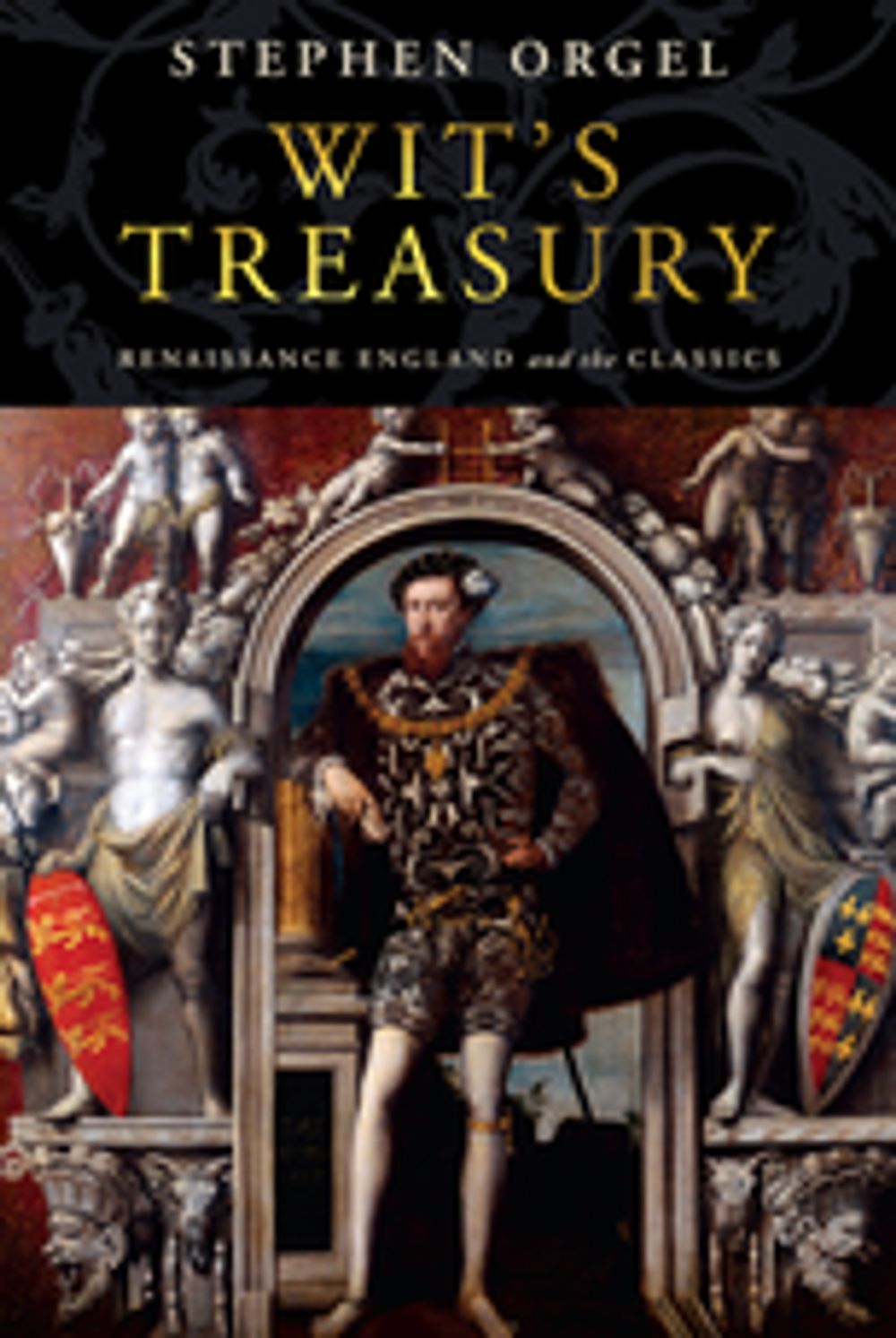
As England entered the Renaissance and as humanism, with its focus on classical literature and philosophy, informed the educational system, English intellectuals engaged in a concerted effort to remake the culture, language, manners—indeed, the whole national style—through adapting the classics. But how could English literature, art, and culture, become "classical," not only in imitating the ancients, but in the sense subsequently applied to music: "classical" as opposed to popular, as formal, serious, and therefore as good? For several decades in the sixteenth and early seventeenth centuries, Stephen Orgel writes, the return to the classics held out the promise of refinement and civility. Poetry was to be modeled on Greek and Roman examples rather than on the great English medieval works, which though admirable, lacked "correctness." More than poetry was at stake, however, and the transition would not be easy. Classical rules seemed the wave of the future, rescuing England from what was seen as the crudeness and the sheer popularity of its native traditions, but advocacy was tempered with a good deal of ambivalence: classical manners and morals were often at variance with Christian principles, and the classicism of the age would need to be deeply revisionist. "Christian humanism" was never untroubled, Orgel writes, always an unstable or even paradoxical amalgam. In Wit's Treasury, one of our foremost interpreters of Renaissance literature and culture charts how this ambivalence yielded the rich creative tension out of which emerged an unprecedented flowering of drama, lyric, and the arts. Orgel has here written a book that will appeal to anyone interested in English Renaissance art and literature, and particularly in the cultural ferment that produced Shakespeare, Marlowe, Spenser, Jonson, and Milton.
Leggi di più
Leggi di meno
Autore:
Anno edizione:
2021
Editore:
Formato:
Lingua:
Inglese
Compatibilità:
Tutti i dispositivi (eccetto Kindle) Scopri di più
Layout:
Reflowable
EAN:
9780812299878
L'articolo è stato aggiunto al carrello
Formato:
Gli eBook venduti da IBS.it sono in formato ePub e possono essere protetti da Adobe DRM. In caso di download di un file protetto da DRM si otterrà un file in formato .acs, (Adobe Content Server Message), che dovrà essere aperto tramite Adobe Digital Editions e autorizzato tramite un account Adobe, prima di poter essere letto su pc o trasferito su dispositivi compatibili.
Cloud:
Gli eBook venduti da IBS.it sono sincronizzati automaticamente su tutti i client di lettura Kobo successivamente all’acquisto. Grazie al Cloud Kobo i progressi di lettura, le note, le evidenziazioni vengono salvati e sincronizzati automaticamente su tutti i dispositivi e le APP di lettura Kobo utilizzati per la lettura.
Clicca qui per sapere come scaricare gli ebook utilizzando un pc con sistema operativo Windows
L’articolo è stato aggiunto alla lista dei desideri
