

L’articolo è stato aggiunto alla lista dei desideri









EBOOK IN LINGUA STRANIERA
 E-mail
 Facebook
 LinkedIn
 Twitter
 WhatsApp
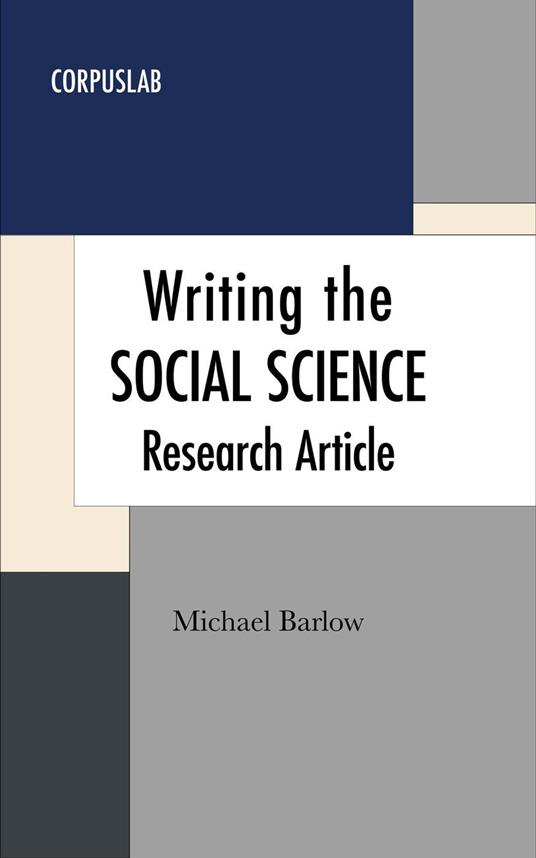
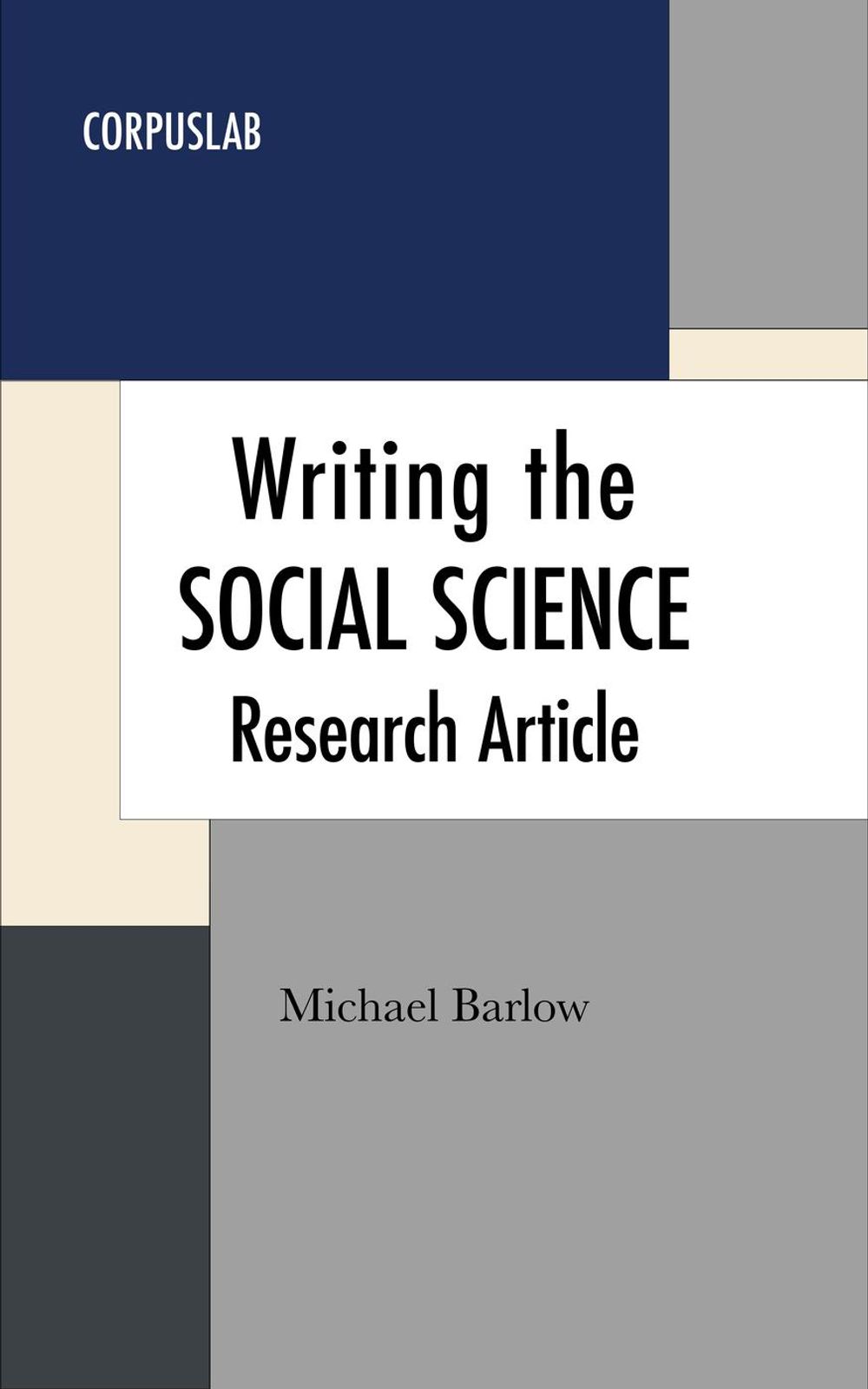
Writing the Social Science Research Article
(0)
Cliccando su “Conferma” dichiari che il contenuto da te inserito è conforme alle Condizioni Generali d’Uso del Sito ed alle Linee Guida sui Contenuti Vietati. Puoi rileggere e modificare e successivamente confermare il tuo contenuto. Tra poche ore lo troverai online (in caso contrario verifica la conformità del contenuto alle policy del Sito).
Grazie per la tua recensione!
Tra poche ore la vedrai online (in caso contrario verifica la conformità del testo alle nostre linee guida). Dopo la pubblicazione per te +4 punti 
7,99 €
+80
punti 
Venditore: IBS

Acquista online
Scaricabile subito
Articolo acquistabile con Carta del Docente

Articolo acquistabile con Carta Cultura Giovani e Carta del Merito

Articolo acquistabile con Carta della Cultura

Abbonati a Kobo plus per avere accesso illimitato a questo contenuto

Dati e Statistiche
 Salvato in 0 liste dei desideri
Salvato in 0 liste dei desideri
Writing the Social Science Research Article
Scaricabile subito
7,99 €
7,99 €
Scaricabile subito
Altre offerte vendute e spedite dai nostri venditori
Ebook in lingua straniera
Writing the Social Science Research Article
Altri venditori
Prezzo e spese di spedizione
Nuovo
Scaricabile subito

Venduto e spedito da
IBS
Spedizione Gratis
7,99 €
Altri venditori
Prezzo e spese di spedizione
Nuovo
Scaricabile subito
Venduto e spedito da
IBS
Spedizione Gratis
7,99 €
Altri venditori
Prezzo e spese di spedizione

Tutti i formati ed edizioni
Promo attive (0)
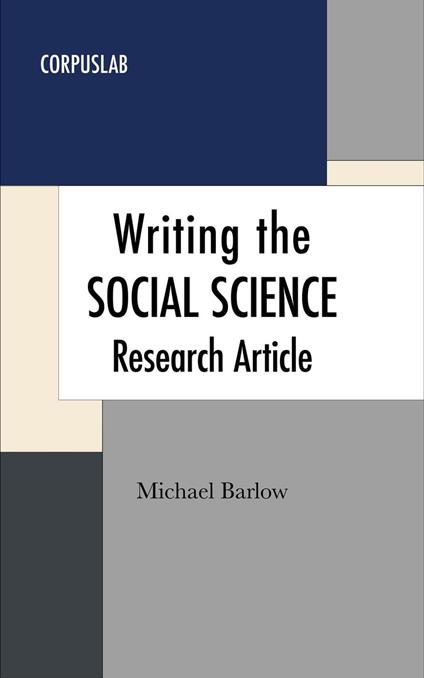
Writing the Social Science Research Article
Writing the Social Science Research Article: A Corpus-Based Guide to Structure and Language is an essential resource for graduate students writing their first journal articles, for experienced researchers looking to sharpen their prose, for non-native English speakers seeking concrete guidance on disciplinary conventions, and for writing instructors seeking empirical grounding for the advice they give. It transforms academic writing instruction from an art learned by imitation and intuition into a craft informed by large-scale evidence—making the hidden architecture of the research article visible, navigable, and usable. Drawing on a purpose-built corpus of 3,335 social science research articles—over 2.2 million words— Writing the Social Science Research Article replaces the guesswork of academic writing with empirical evidence. Instead of prescribing rules or offering model paragraphs to imitate, Michael Barlow opens up a massive collection of published work and shows what successful writers actually do, section by section, sentence by sentence. The results are striking. Introductions consume roughly a third of a typical paper and are six times more citation-dense than Results sections. Discussions are hedged almost twice as heavily as Results—not because writers lack confidence, but because interpretation carries greater uncertainty than reporting. The phrase "contributes to" appears in Conclusions roughly once every 200 words. Passive past participles show up in Methods approximately once every 45 words. These are not arbitrary rules; they are tendencies born from the accumulated choices of thousands of writers navigating the same rhetorical challenges you face. Organized around the standard IMRDC structure (Introduction, Methods, Results, Discussion, Conclusion), each chapter identifies the rhetorical moves that define a section, provides the most common linguistic constructions used to accomplish those moves, and supplies frequency data so writers can calibrate their own choices against published norms. For example, the chapter on the Discussion shows how experienced writers weave together interpretation, comparison with prior literature, and acknowledgment of limitations using predictable hedging patterns. Beyond individual sections, the book traces patterns that span the entire paper. Dedicated chapters examine how tense shifts across sections (past tense dominates Methods and Results; present tense returns in the Discussion), how citation density rises and falls to mark the paper's argumentative arc, and how hedging and boosting interact to control the strength of claims from Introduction through Conclusion. The final chapter synthesizes these threads, presenting the research article as a single macro-argument—a gap introduced, an instrument applied, evidence produced, interpretation offered, and a contribution claimed—and provides diagnostic tests writers can use to check whether their own papers hold together. The book's approach is practical and writer-centered. Every frequency, pattern, and example sentence comes directly from the corpus. Rather than offering templates to fill in, the book encourages a three-stage process: conceptualize first—deciding what you want to say—then consult the corpus evidence to find constructions that fit your rhetorical purpose, and finally compose in your own voice using structures that serve your argument. The corpus provides a repertoire of options; your study determines which options to choose. This means the book works whether you are writing about educational policy, sociology, psychology, or any other social science discipline.
Leggi di più
Leggi di meno
Autore:
Anno edizione:
2026
Editore:
Formato:
Lingua:
Inglese
Compatibilità:
Tutti i dispositivi (eccetto Kindle) Scopri di più
Layout:
Reflowable
EAN:
9780940753372

L'articolo è stato aggiunto al carrello
Formato:
Gli eBook venduti da IBS.it sono in formato ePub e possono essere protetti da Adobe DRM. In caso di download di un file protetto da DRM si otterrà un file in formato .acs, (Adobe Content Server Message), che dovrà essere aperto tramite Adobe Digital Editions e autorizzato tramite un account Adobe, prima di poter essere letto su pc o trasferito su dispositivi compatibili.
Cloud:
Gli eBook venduti da IBS.it sono sincronizzati automaticamente su tutti i client di lettura Kobo successivamente all’acquisto. Grazie al Cloud Kobo i progressi di lettura, le note, le evidenziazioni vengono salvati e sincronizzati automaticamente su tutti i dispositivi e le APP di lettura Kobo utilizzati per la lettura.
Clicca qui per sapere come scaricare gli ebook utilizzando un pc con sistema operativo Windows
L’articolo è stato aggiunto alla lista dei desideri
