

L’articolo è stato aggiunto alla lista dei desideri



EBOOK IN LINGUA STRANIERA
 E-mail
 Facebook
 LinkedIn
 Twitter
 WhatsApp
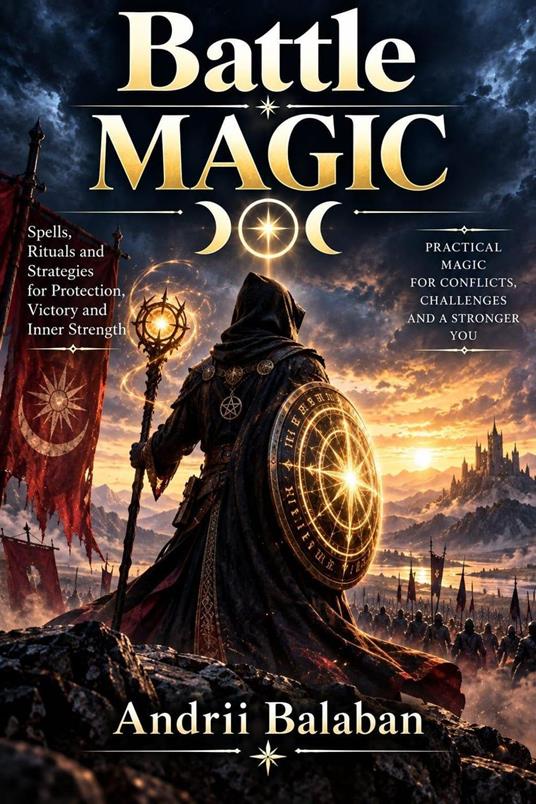
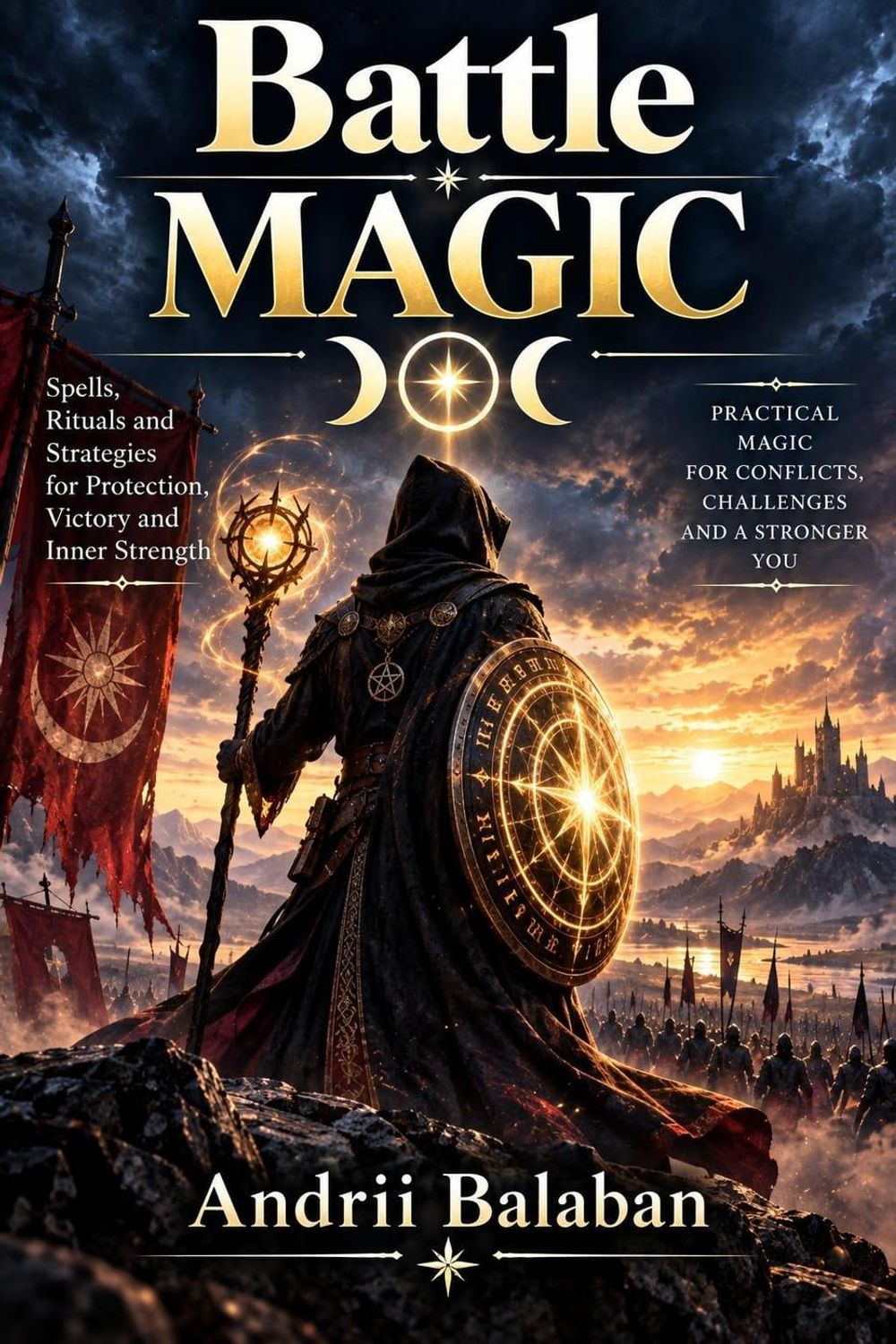
Battle magic
(0)
Cliccando su “Conferma” dichiari che il contenuto da te inserito è conforme alle Condizioni Generali d’Uso del Sito ed alle Linee Guida sui Contenuti Vietati. Puoi rileggere e modificare e successivamente confermare il tuo contenuto. Tra poche ore lo troverai online (in caso contrario verifica la conformità del contenuto alle policy del Sito).
Grazie per la tua recensione!
Tra poche ore la vedrai online (in caso contrario verifica la conformità del testo alle nostre linee guida). Dopo la pubblicazione per te +4 punti 
17,49 €

Venditore: IBS

Acquista online
Scaricabile subito
Articolo acquistabile con Carta del Docente

Articolo acquistabile con Carta Cultura Giovani e Carta del Merito

Articolo acquistabile con Carta della Cultura

Abbonati a Kobo plus per avere accesso illimitato a questo contenuto

Dati e Statistiche
 Salvato in 0 liste dei desideri
Battle magic
Scaricabile subito
17,49 €
17,49 €
Scaricabile subito
Altre offerte vendute e spedite dai nostri venditori
Ebook in lingua straniera
Battle magic
Altri venditori
Prezzo e spese di spedizione
EBOOK INGLESE
EPUB2 con DRMFREE
Scaricabile subito

Venduto e spedito da
IBS
Spedizione Gratis
17,49 €
Altri venditori
Prezzo e spese di spedizione
EBOOK INGLESE
EPUB2 con DRMFREE
Scaricabile subito
Venduto e spedito da
IBS
Spedizione Gratis
17,49 €
Altri venditori
Prezzo e spese di spedizione

Tutti i formati ed edizioni
Promo attive (0)
Battle magic
Battle spells, rituals, and practices form a double helix: on the one hand, they contain the force of great creation; on the other, they can burn to ashes not only the enemy but also the magician themself, if one delves into darker aspects without due comprehension. It is fitting here to recall a well-known saying: "All power without wisdom leads to chaos." That is why it is so crucial to emphasize that the study of battle magic is not a path taken to gain dominion over others, but a journey toward a profound understanding of oneself and the laws of the universe. Only a conscious magician, aware of the limits of their own soul, can carry this knowledge without turning it into a destructive storm. In this work, I endeavor to unite the practices that stem from European witchcraft and ceremonial magic with the rituals originating from Kabbalah, Voodoo, and the Scandinavian runic traditions. Each path carries its own unique history, its own spiritual and cultural context, its own heroes and villains. But regardless of how diverse their origins may be, at the core of each system of battle practices lies one irrefutable rule: power comes with responsibility and grows stronger only when the magician's soul attains maturity. Kabbalah and its formidable side. When people speak of Kabbalah, they often imagine subtle spiritual practices tied to the Divine Names, the Tree of Sefirot, and contemplating the paths between realms of being. Yet lurking in the shadow of this majestic system is its martial aspect: knowledge of the power of words, the forging of "thunderous" protective formulas, and the use of powerful vibrations from sacred letters. It would be a mistake to think that Kabbalah is merely about transcendental striving for pure Divinity; it holds a formidable arsenal of tools capable, under certain conditions, of shielding the magician—and at times delivering a crushing blow to those who raise a hand against them. Scandinavian runes stand as a vivid example of how a system of writing can become a source of power. Every symbol of the Futhark is an entire universe of archetypes, capable of invoking the forces of nature and turning them into a shield or spear that strikes at the astral level and can even manifest in the physical realm. By combining runes with galdrastafir, the ancient warriors sought the blessing of their gods and invoked victory and protection in merciless skirmishes. Among these symbols, one finds runes that are aggressive and filled with fire as well as those that grant calm and invulnerability, like an icy armor. Anyone who has mastered at least the basics of runic magic possesses a key to the power of the northern elements, which know no mercy. Voodoo is a tradition veiled in mystique and fear. To most outsiders, it is associated primarily with sinister dolls and images of zombies. Yet Voodoo is a sophisticated, many-sided system of interaction with the Loa—spirits that can offer both mercy and patronage, as well as harsh punishment. In the hands of a skilled magician, Voodoo rituals become a flickering flame whose sparks dance around the boundary between good and evil. The martial aspect of Voodoo does not necessarily involve mindless harm; rather, it often includes elaborate ceremonies of "just retribution" or the protection of one's family and land from aggression. Worthy of particular mention are Latin spells, which, crossing millennia, still preserve their mysterious allure. For centuries, Latin was considered the language of authority—used by rulers, the righteous, and heretics alike, by the Church and secret societies. Stylized Latin phrases give rituals a special solemnity and intensity. Many ancient formulas compiled back in the Middle Ages still evoke reverence and awe in those who dare pronounce them.
Leggi di più
Leggi di meno
Autore:
Anno edizione:
2026
Editore:
Formato:
Lingua:
Inglese
Compatibilità:
Tutti i dispositivi (eccetto Kindle) Scopri di più
Layout:
Reflowable
EAN:
9798235950559
L'articolo è stato aggiunto al carrello
Formato:
Gli eBook venduti da IBS.it sono in formato ePub e possono essere protetti da Adobe DRM. In caso di download di un file protetto da DRM si otterrà un file in formato .acs, (Adobe Content Server Message), che dovrà essere aperto tramite Adobe Digital Editions e autorizzato tramite un account Adobe, prima di poter essere letto su pc o trasferito su dispositivi compatibili.
Cloud:
Gli eBook venduti da IBS.it sono sincronizzati automaticamente su tutti i client di lettura Kobo successivamente all’acquisto. Grazie al Cloud Kobo i progressi di lettura, le note, le evidenziazioni vengono salvati e sincronizzati automaticamente su tutti i dispositivi e le APP di lettura Kobo utilizzati per la lettura.
Clicca qui per sapere come scaricare gli ebook utilizzando un pc con sistema operativo Windows
L’articolo è stato aggiunto alla lista dei desideri
