

L’articolo è stato aggiunto alla lista dei desideri








LIBRO INGLESE
 E-mail
 Facebook
 LinkedIn
 Twitter
 WhatsApp
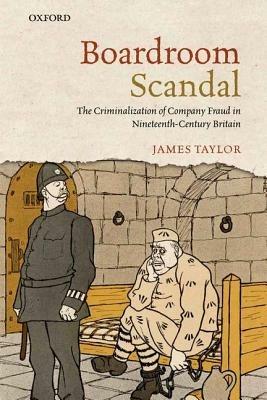
Boardroom Scandal: The Criminalization of Company Fraud in Nineteenth-Century Britain
(0)
Cliccando su “Conferma” dichiari che il contenuto da te inserito è conforme alle Condizioni Generali d’Uso del Sito ed alle Linee Guida sui Contenuti Vietati. Puoi rileggere e modificare e successivamente confermare il tuo contenuto. Tra poche ore lo troverai online (in caso contrario verifica la conformità del contenuto alle policy del Sito).
Grazie per la tua recensione!
Tra poche ore la vedrai online (in caso contrario verifica la conformità del testo alle nostre linee guida). Dopo la pubblicazione per te +4 punti 
228,00 €
+2280
punti 

Venditore: IBS
Articolo acquistabile con Carta del Docente

Articolo acquistabile con Carta Cultura Giovani e Carta del Merito

Paga con Klarna in 3 rate senza interessi per ordini superiori a 39 €

Dati e Statistiche
 Salvato in 0 liste dei desideri
Salvato in 0 liste dei desideri
Boardroom Scandal: The Criminalization of Company Fraud in Nineteenth-Century Britain
Disponibilità in 2 settimane
228,00 €
228,00 €
Disponibilità in 2 settimane
Altre offerte vendute e spedite dai nostri venditori
Libri in Inglese
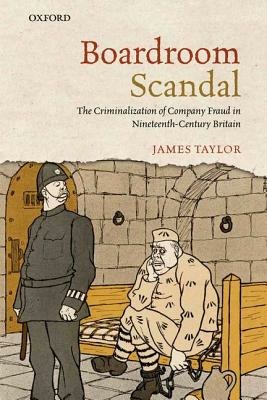
Boardroom Scandal: The Criminalization of Company Fraud in Nineteenth-Century Britain
Altri venditori
Prezzo e spese di spedizione
Nuovo
 disponibilità in 2 settimane
 Venduto e spedito da
IBS
Venduto e spedito da
IBS
disponibilità in 2 settimane
Spedizione Gratis
228,00 €
Altri venditori
Prezzo e spese di spedizione
Nuovo
disponibilità in 2 settimane
Venduto e spedito da
IBS
disponibilità in 2 settimane
Spedizione Gratis
228,00 €
Altri venditori
Prezzo e spese di spedizione

Tutti i formati ed edizioni
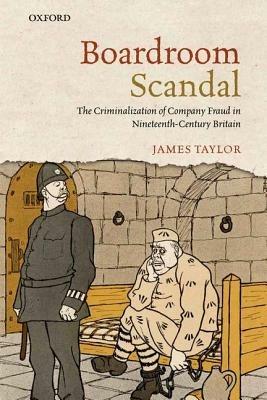
Should businessmen who commit fraud go to prison? This question has been asked repeatedly since 2008. It was also raised in nineteenth-century Britain when the spread of corporate capitalism created enormous new opportunities for dishonesty. Historians have presented Victorian Britain as a haven for white-collar criminals, beneficiaries of a prejudiced criminal justice system which only dealt harshly with offences by the poor. Boardroom Scandal challenges these beliefs. Based on an unparalleled sample of legal cases - many examined here for the first time - James Taylor presents a radical new interpretation of the relationship between capitalism and the law. Initially, there were no criminal sanctions against publishing false prospectuses, concealing losses in balance sheets, and even misappropriating company money. But parliament became convinced of the need to criminalize these practices to protect the culture of stock market investment on which mid-Victorian prosperity increasingly rested. Persuading judges to play along was harder, with many invoking the principle of caveat emptor to exonerate defendants. But by the end of the century, successful prosecutions of company executives were commonplace. These trials performed multiple functions: they stabilized confidence in times of crisis; they dramatized the class blindness of the law; and they were increasingly seen as essential as faith in a self-regulating economy ebbed. The criminalization of fraud, therefore, has far-reaching implications for our understanding of nineteenth-century Britain. It also has relevance today in light of the on-going economic crisis and the issues it raises regarding business ethics and the role of the state.
Leggi di più
Leggi di meno
Autore:
Editore:
Anno:
2013
Rilegatura:
Hardback
Pagine:
312 p.
Testo in English
Dimensioni:
240 x 162 mm
Peso:
640 gr.
EAN:
9780199695799
L'articolo è stato aggiunto al carrello
Informazioni e Contatti sulla Sicurezza dei Prodotti
Le schede prodotto sono aggiornate in conformità al Regolamento UE 988/2023. Laddove ci fossero taluni dati non disponibili per ragioni indipendenti da IBS, vi informiamo che stiamo compiendo ogni ragionevole sforzo per inserirli. Vi invitiamo a controllare periodicamente il sito www.ibs.it per eventuali novità e aggiornamenti.
Per le vendite di prodotti da terze parti, ciascun venditore si assume la piena e diretta responsabilità per la commercializzazione del prodotto e per la sua conformità al Regolamento UE 988/2023, nonché alle normative nazionali ed europee vigenti.
Per informazioni sulla sicurezza dei prodotti, contattare productsafetyibs@feltrinelli.it
L’articolo è stato aggiunto alla lista dei desideri
