

L’articolo è stato aggiunto alla lista dei desideri








LIBRO INGLESE
 E-mail
 Facebook
 LinkedIn
 Twitter
 WhatsApp
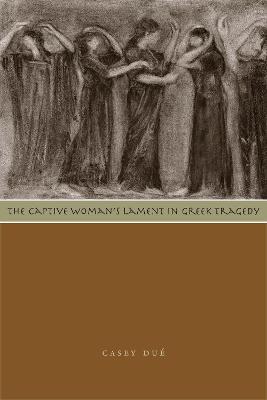
The Captive Woman's Lament in Greek Tragedy
(0)
Cliccando su “Conferma” dichiari che il contenuto da te inserito è conforme alle Condizioni Generali d’Uso del Sito ed alle Linee Guida sui Contenuti Vietati. Puoi rileggere e modificare e successivamente confermare il tuo contenuto. Tra poche ore lo troverai online (in caso contrario verifica la conformità del contenuto alle policy del Sito).
Grazie per la tua recensione!
Tra poche ore la vedrai online (in caso contrario verifica la conformità del testo alle nostre linee guida). Dopo la pubblicazione per te +4 punti 
28,00 €
+280
punti 

Venditore: IBS
Articolo acquistabile con Carta del Docente

Articolo acquistabile con Carta Cultura Giovani e Carta del Merito

Dati e Statistiche
 Salvato in 0 liste dei desideri
Salvato in 0 liste dei desideri
The Captive Woman's Lament in Greek Tragedy
Disponibilità in 2 settimane
28,00 €
28,00 €
Disp. in 2 settimane
Altre offerte vendute e spedite dai nostri venditori
Libri in Inglese
The Captive Woman's Lament in Greek Tragedy
Altri venditori
Prezzo e spese di spedizione
Nuovo
 disponibilità in 2 settimane
 Venduto e spedito da
IBS
Venduto e spedito da
IBS
disponibilità in 2 settimane
Spedizione Gratis
28,00 €
Altri venditori
Prezzo e spese di spedizione
Nuovo
disponibilità in 2 settimane
Venduto e spedito da
IBS
disponibilità in 2 settimane
Spedizione Gratis
28,00 €
Altri venditori
Prezzo e spese di spedizione

Tutti i formati ed edizioni

The laments of captive women found in extant Athenian tragedy constitute a fundamentally subversive aspect of Greek drama. In performances supported by and intended for the male citizens of Athens, the songs of the captive women at the Dionysia gave a voice to classes who otherwise would have been marginalized and silenced in Athenian society: women, foreigners, and the enslaved. The Captive Woman's Lament in Greek Tragedy addresses the possible meanings ancient audiences might have attached to these songs. Casey Due challenges long-held assumptions about the opposition between Greeks and barbarians in Greek thought by suggesting that, in viewing the plight of the captive women, Athenian audiences extended pity to those least like themselves. Due asserts that tragic playwrights often used the lament to create an empathetic link that blurred the line between Greek and barbarian. After a brief overview of the role of lamentation in both modern and classical traditions, Due focuses on the dramatic portrayal of women captured in the Trojan War, tracing their portrayal through time from the Homeric epics to Euripides' Athenian stage. The author shows how these laments evolved in their significance with the growth of the Athenian Empire. She concludes that while the Athenian polis may have created a merciless empire outside the theater, inside the theater they found themselves confronted by the essential similarities between themselves and those they sought to conquer.
Leggi di più
Leggi di meno
Autore:
Editore:
Anno:
2009
Rilegatura:
Paperback / softback
Pagine:
199 p.
Testo in English
Dimensioni:
229 x 152 mm
Peso:
435 gr.
EAN:
9780292722187
L'articolo è stato aggiunto al carrello
Informazioni e Contatti sulla Sicurezza dei Prodotti
Le schede prodotto sono aggiornate in conformità al Regolamento UE 988/2023. Laddove ci fossero taluni dati non disponibili per ragioni indipendenti da IBS, vi informiamo che stiamo compiendo ogni ragionevole sforzo per inserirli. Vi invitiamo a controllare periodicamente il sito www.ibs.it per eventuali novità e aggiornamenti.
Per le vendite di prodotti da terze parti, ciascun venditore si assume la piena e diretta responsabilità per la commercializzazione del prodotto e per la sua conformità al Regolamento UE 988/2023, nonché alle normative nazionali ed europee vigenti.
Per informazioni sulla sicurezza dei prodotti, contattare productsafetyibs@feltrinelli.it
L’articolo è stato aggiunto alla lista dei desideri
