

L’articolo è stato aggiunto alla lista dei desideri








LIBRO INGLESE
 E-mail
 Facebook
 LinkedIn
 Twitter
 WhatsApp
Cerebral Ischemia: Molecular and Cellular Pathophysiology
(0)
Cliccando su “Conferma” dichiari che il contenuto da te inserito è conforme alle Condizioni Generali d’Uso del Sito ed alle Linee Guida sui Contenuti Vietati. Puoi rileggere e modificare e successivamente confermare il tuo contenuto. Tra poche ore lo troverai online (in caso contrario verifica la conformità del contenuto alle policy del Sito).
Grazie per la tua recensione!
Tra poche ore la vedrai online (in caso contrario verifica la conformità del testo alle nostre linee guida). Dopo la pubblicazione per te +4 punti 
131,90 €
+1320
punti 
Venditore: IBS
Articolo acquistabile con Carta del Docente

Articolo acquistabile con Carta Cultura Giovani e Carta del Merito

Articolo acquistabile con Carta della Cultura

Paga con Klarna in 3 rate senza interessi per ordini superiori a 39 €

Dati e Statistiche
 Salvato in 0 liste dei desideri
Salvato in 0 liste dei desideri
Cerebral Ischemia: Molecular and Cellular Pathophysiology
Disponibilità in 2 settimane
131,90 €
131,90 €
Disponibilità in 2 settimane
Altre offerte vendute e spedite dai nostri venditori
Libri in Inglese
Cerebral Ischemia: Molecular and Cellular Pathophysiology
Altri venditori
Prezzo e spese di spedizione

LIBRO INGLESE
Disponibilità in 2 settimane

Venduto e spedito da
IBS
Spedizione Gratis
131,90 €
Altri venditori
Prezzo e spese di spedizione
LIBRO INGLESE
Disponibilità in 2 settimane
Venduto e spedito da
IBS
Spedizione Gratis
131,90 €
Altri venditori
Prezzo e spese di spedizione

Tutti i formati ed edizioni
Promo attive (0)
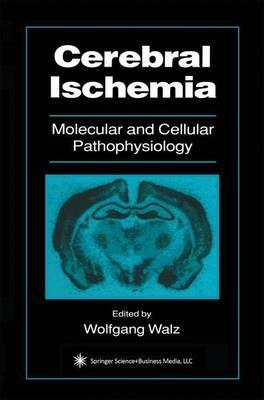
The human brain represents about 2% of the body weight, yet it accounts for approximately 20% of aerobic metabolism. This high dependency on energy-consuming processes is mainly caused by the active transport of ions, which is necessary to compensate for the transmembrane ion currents that are part ofthe complex signaling processes in the brain. Ninety-five percent ofthe brain's ATP is derived from mitochondrial oxidative phosphorylation. Since that organ' s storage capacity for oxygen is minimal, any interruption of oxygen delivery to brain cells willlead to changes in membrane excitability and, there fore, to disruption of neuronal signaling within seconds. It seems that mamma lian brain is especially vulnerable to such an interruption, since oxygen deprivation leads to activation of ion channel mechanisms in neurons that impair their communications. Thus, the function of the brain as a coordinator of vital homeostatic reflexes, and complex body reactions to external challenges, depends critically on the rate of oxygen delivery and oxygen consumption. Oxygen delivery depends on two variables described in the Fick relation ship: volume flow rate ofblood and the arterial oxygen content. A reduction in either of these two variables will have serious effects on vital brain func tions. Reduction of arterial blood flow to the brain can be caused by cardiac arrest, shock, carotid occlusion, Of hypotension (global ischemia). Oxygen content is progressively decreased in asphyxia (including drowning).
Leggi di più
Leggi di meno
Curatore:
Editore:
Collana:
Contemporary Neuroscience
Anno:
1999
Rilegatura:
Hardback
Pagine:
278 p.
Testo in English
Dimensioni:
235 x 155 mm
EAN:
9780896035409

L'articolo è stato aggiunto al carrello
Informazioni e Contatti sulla Sicurezza dei Prodotti
Le schede prodotto sono aggiornate in conformità al Regolamento UE 988/2023. Laddove ci fossero taluni dati non disponibili per ragioni indipendenti da IBS, vi informiamo che stiamo compiendo ogni ragionevole sforzo per inserirli. Vi invitiamo a controllare periodicamente il sito www.ibs.it per eventuali novità e aggiornamenti.
Per le vendite di prodotti da terze parti, ciascun venditore si assume la piena e diretta responsabilità per la commercializzazione del prodotto e per la sua conformità al Regolamento UE 988/2023, nonché alle normative nazionali ed europee vigenti.
Per informazioni sulla sicurezza dei prodotti, contattare productsafetyibs@feltrinelli.it
L’articolo è stato aggiunto alla lista dei desideri
