

L’articolo è stato aggiunto alla lista dei desideri









LIBRO INGLESE
 E-mail
 Facebook
 LinkedIn
 Twitter
 WhatsApp
The Chironomidae: Biology and ecology of non-biting midges
(0)
Cliccando su “Conferma” dichiari che il contenuto da te inserito è conforme alle Condizioni Generali d’Uso del Sito ed alle Linee Guida sui Contenuti Vietati. Puoi rileggere e modificare e successivamente confermare il tuo contenuto. Tra poche ore lo troverai online (in caso contrario verifica la conformità del contenuto alle policy del Sito).
Grazie per la tua recensione!
Tra poche ore la vedrai online (in caso contrario verifica la conformità del testo alle nostre linee guida). Dopo la pubblicazione per te +4 punti 
684,20 €
+6840
punti 

Venditore: IBS
Articolo acquistabile con Carta del Docente

Articolo acquistabile con Carta Cultura Giovani e Carta del Merito

Paga con Klarna in 3 rate senza interessi per ordini superiori a 39 €

Dati e Statistiche
 Salvato in 0 liste dei desideri
Salvato in 0 liste dei desideri
The Chironomidae: Biology and ecology of non-biting midges
Disponibilità in 2 settimane
684,20 €
684,20 €
Disponibilità in 2 settimane
Altre offerte vendute e spedite dai nostri venditori
Libri in Inglese
The Chironomidae: Biology and ecology of non-biting midges
Altri venditori
Prezzo e spese di spedizione
Nuovo
 disponibilità in 2 settimane
 Venduto e spedito da
IBS
Venduto e spedito da
IBS
disponibilità in 2 settimane
Spedizione Gratis
684,20 €
Altri venditori
Prezzo e spese di spedizione
Nuovo
disponibilità in 2 settimane
Venduto e spedito da
IBS
disponibilità in 2 settimane
Spedizione Gratis
684,20 €
Altri venditori
Prezzo e spese di spedizione

Tutti i formati ed edizioni
Promo attive (1)
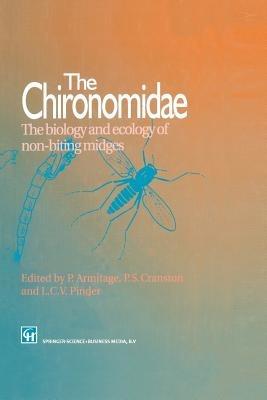
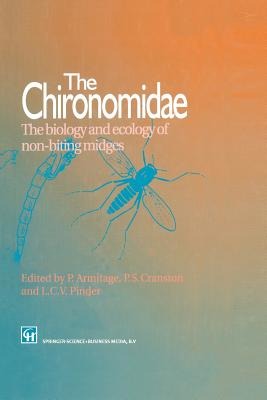
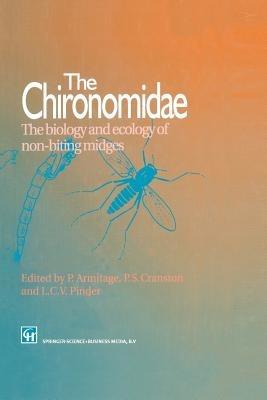
The dipteran family Chironomidae is the most widely distributed and frequently the most abundant group of insects in freshwater, with rep resentatives in both terrestrial and marine environments. A very wide range of gradients of temperature, pH, oxygen concentration, salinity, current velocity, depth, productivity, altitude and latitude have been exploited, by at least some chironomid species, and in grossly polluted environments chironomids may be the only insects present. The ability to exist in such a wide range of conditions has been achieved largely by behavioural and physiological adaptations with relatively slight morphological changes. It has been estimated that the number of species world-wide may be as high as 15000. This high species diversity has been attributed to the antiquity of the family, relatively low vagility leading to isolation, and evolutionary plasticity. In many aquatic ecosystems the number of chironomid species present may account for at least 50% of the total macroinvertebrate species recorded. This species richness, wide distribution and tolerance to adverse conditions has meant that the group is frequently recorded in ecological studies but taxonomic difficulties have in the past prevented non-specialist identification beyond family or subfamily level. Recent works, including genetic studies, have meant that the family is receiving much more attention globally.
Leggi di più
Leggi di meno
Pagine:
572 p.
Testo in English
Dimensioni:
235 x 155 mm
EAN:
9789401043083
L'articolo è stato aggiunto al carrello
Informazioni e Contatti sulla Sicurezza dei Prodotti
Le schede prodotto sono aggiornate in conformità al Regolamento UE 988/2023. Laddove ci fossero taluni dati non disponibili per ragioni indipendenti da IBS, vi informiamo che stiamo compiendo ogni ragionevole sforzo per inserirli. Vi invitiamo a controllare periodicamente il sito www.ibs.it per eventuali novità e aggiornamenti.
Per le vendite di prodotti da terze parti, ciascun venditore si assume la piena e diretta responsabilità per la commercializzazione del prodotto e per la sua conformità al Regolamento UE 988/2023, nonché alle normative nazionali ed europee vigenti.
Per informazioni sulla sicurezza dei prodotti, contattare productsafetyibs@feltrinelli.it
L’articolo è stato aggiunto alla lista dei desideri
