

L’articolo è stato aggiunto alla lista dei desideri









EBOOK IN LINGUA STRANIERA
 E-mail
 Facebook
 LinkedIn
 Twitter
 WhatsApp
Climate Education and Climate Resilience
(0)
Cliccando su “Conferma” dichiari che il contenuto da te inserito è conforme alle Condizioni Generali d’Uso del Sito ed alle Linee Guida sui Contenuti Vietati. Puoi rileggere e modificare e successivamente confermare il tuo contenuto. Tra poche ore lo troverai online (in caso contrario verifica la conformità del contenuto alle policy del Sito).
Grazie per la tua recensione!
Tra poche ore la vedrai online (in caso contrario verifica la conformità del testo alle nostre linee guida). Dopo la pubblicazione per te +4 punti 
12,99 €
+130
punti 

Venditore: IBS

Acquisto online

Scaricabile subito
Articolo acquistabile con Carta del Docente

Articolo acquistabile con Carta Cultura Giovani e Carta del Merito

Abbonati a Kobo plus per avere accesso illimitato a questo contenuto

Dati e Statistiche
 Salvato in 0 liste dei desideri
Salvato in 0 liste dei desideri
Climate Education and Climate Resilience
Scaricabile subito
12,99 €
12,99 €
Scaricabile subito
Altre offerte vendute e spedite dai nostri venditori
Ebook in lingua straniera
Climate Education and Climate Resilience
Altri venditori
Prezzo e spese di spedizione
Nuovo
 scaricabile subito
Venduto e spedito da
IBS
scaricabile subito
Venduto e spedito da
IBS
scaricabile subito
Spedizione Gratis
12,99 €
Altri venditori
Prezzo e spese di spedizione
Nuovo
scaricabile subito
Venduto e spedito da
IBS
scaricabile subito
Spedizione Gratis
12,99 €
Altri venditori
Prezzo e spese di spedizione

Tutti i formati ed edizioni
Promo attive (1)
Climate Education and Climate Resilience
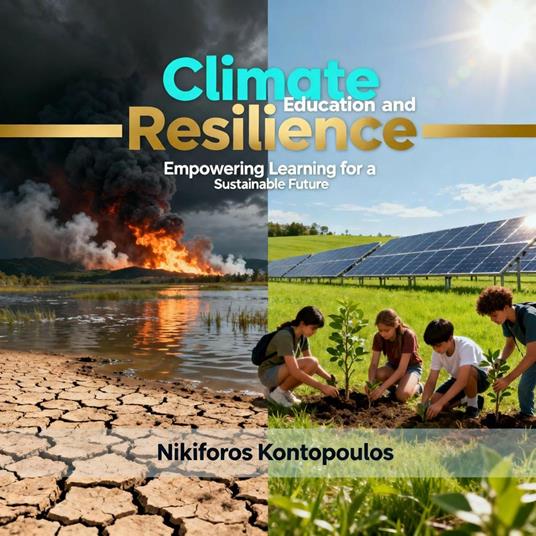
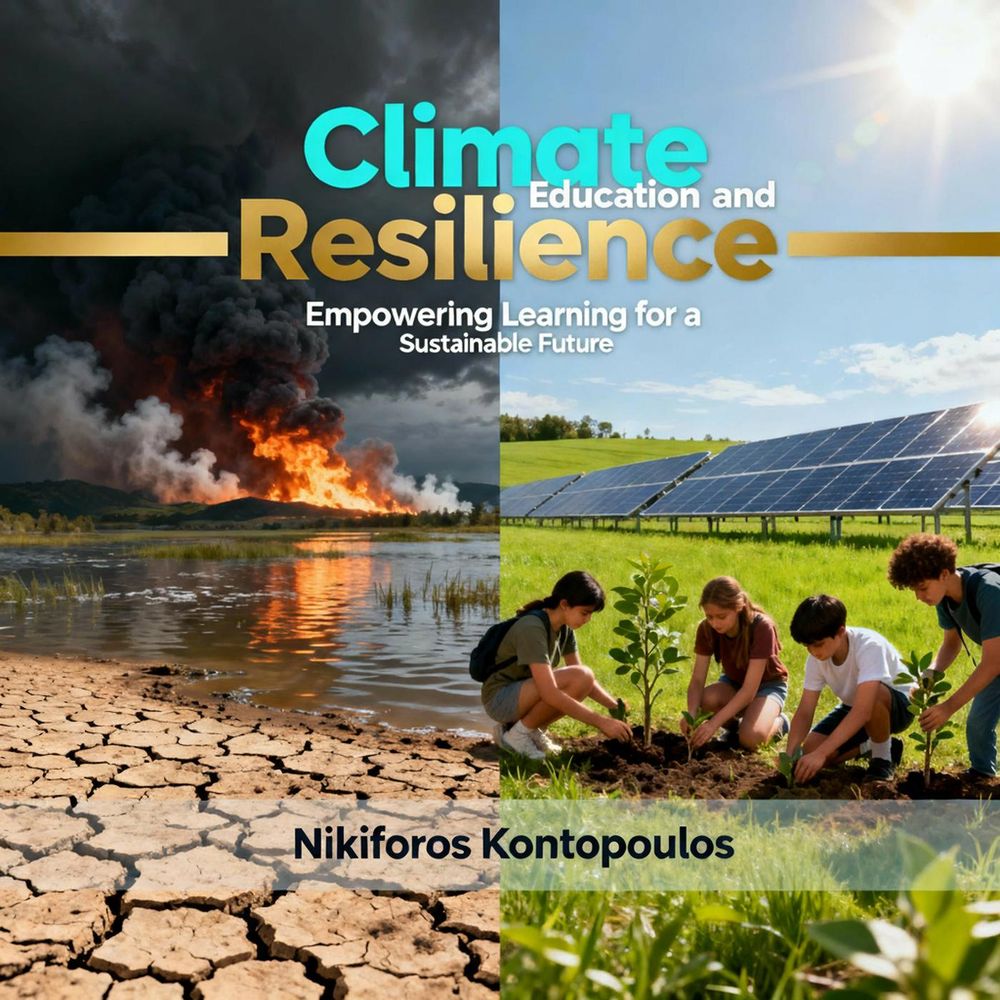
Climate Training and Climate Resilience is a comprehensive and forward-thinking guide to understanding, teaching, and applying the principles of climate adaptation, mitigation, and sustainable development. Written with clarity, scientific rigor, and motivational depth, the book bridges the gap between theory and practice—making it equally valuable for students, professionals, community leaders, policymakers, NGOs, and educators seeking to lead in a rapidly changing world. Across ten richly developed chapters, the book traces the full arc of the climate challenge: from the science of greenhouse gases and the dynamics of Earth's climate systems, to the social, economic, and technological pathways that define our response. Beginning with a deep exploration of climate change and resilience, the reader is guided through essential scientific understanding, evidence of global and regional impacts, and the mechanisms by which societies can adapt and thrive amid uncertainty. Chapters on climate risks and vulnerabilities and building resilience provide both analytical frameworks and real-world examples—from flood management in the Netherlands to community-led adaptation in Africa—illustrating how knowledge and local leadership translate into tangible outcomes. The book also offers extensive coverage of mitigation strategies, including renewable energy transitions, sustainable agriculture, transport innovation, and the emerging role of urban planning in reducing carbon footprints. At its heart, Climate Training and Climate Resilience emphasizes human capability. Through detailed chapters on capacity building, education for sustainable development (ESD), and climate training methodologies, the book equips readers to design, deliver, and evaluate effective climate education programs. Drawing on models from UNESCO, UNDP, and the IPCC, it shows how local knowledge, indigenous wisdom, and scientific insight can combine to create truly adaptive, inclusive communities. A major highlight is the integration of climate finance and green investment, detailing how mechanisms like the Green Climate Fund, carbon markets, and ESG investing can empower developing nations and communities to transition toward sustainability. The chapter on innovation and digital transformation explores how emerging technologies—AI, blockchain, satellite data, and bioengineering—are reshaping the frontiers of climate action. Finally, the book culminates in an inspiring final chapter, "The Way Forward: A Resilient and Sustainable Future." Here, Nikiforos Kontopoulos calls on individuals and societies alike to integrate climate resilience into everyday life, foster cross-sector collaboration, and nurture a culture of global citizenship. Through a balanced blend of evidence-based reasoning and motivational storytelling, he redefines climate action as not merely an environmental duty but a profound human endeavor rooted in creativity, justice, and hope. Written in accessible yet intellectually rich language, Climate Training and Climate Resilience serves both as a training manual and a moral compass for the 21st century. It invites the reader to see climate resilience not as a technical concept, but as a way of life—one that combines the rigor of science, the reach of technology, and the strength of human solidarity. In an age where climate change defines every facet of development and security, this book offers a roadmap for education, leadership, and transformation—a guide for those determined to build a sustainable and resilient planet for generations to come.
Leggi di più
Leggi di meno
Autore:
Anno edizione:
2025
Editore:
Formato:
Lingua:
Inglese
Compatibilità:
Tutti i dispositivi (eccetto Kindle) Scopri di più
Layout:
Reflowable
EAN:
9798232436513
L'articolo è stato aggiunto al carrello
Formato:
Gli eBook venduti da IBS.it sono in formato ePub e possono essere protetti da Adobe DRM. In caso di download di un file protetto da DRM si otterrà un file in formato .acs, (Adobe Content Server Message), che dovrà essere aperto tramite Adobe Digital Editions e autorizzato tramite un account Adobe, prima di poter essere letto su pc o trasferito su dispositivi compatibili.
Cloud:
Gli eBook venduti da IBS.it sono sincronizzati automaticamente su tutti i client di lettura Kobo successivamente all’acquisto. Grazie al Cloud Kobo i progressi di lettura, le note, le evidenziazioni vengono salvati e sincronizzati automaticamente su tutti i dispositivi e le APP di lettura Kobo utilizzati per la lettura.
Clicca qui per sapere come scaricare gli ebook utilizzando un pc con sistema operativo Windows
L’articolo è stato aggiunto alla lista dei desideri
